filter_list Showing 12 results for "Great Exhibition" close Clear
dashboard All 12 museum exhibitions 9article culture 1article news 1rate_review review 1
date_range Range Today This Week This Month All
Subscribe

The story of London's Great Exhibition, as seen through the eyes of artists

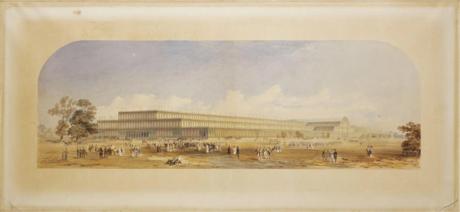
Julius Bryant’s new book, the fourth volume in his history of the Victoria and Albert Museum, re-examines the 1851 Great Exhibition through its visual legacy. By analyzing paintings, prints, and ephemera—including the vast archive of Charles Wentworth Dilke—Bryant reconstructs the 'Crystal Palace' experience, highlighting the youth of its organizers and the staggering speed of its construction. The narrative shifts focus away from traditional social theory toward the actual visual evidence of the event, from David Roberts’s massive panoramic paintings to the 235 sculptures that defined the era's artistic output.
V&A East architecture review – from ceramics to codpieces, this is a honey-coloured treasure trove of human ingenuity

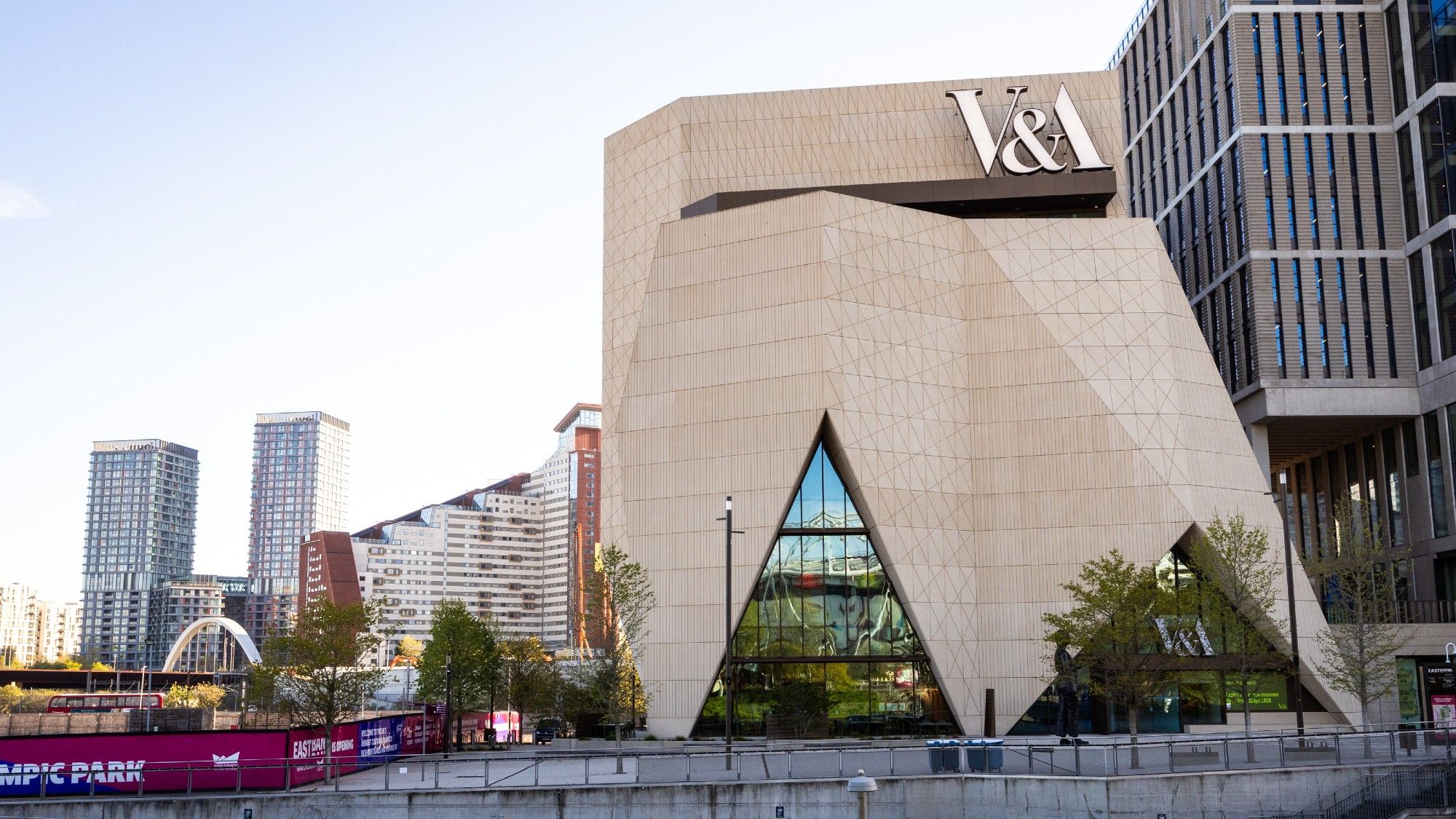
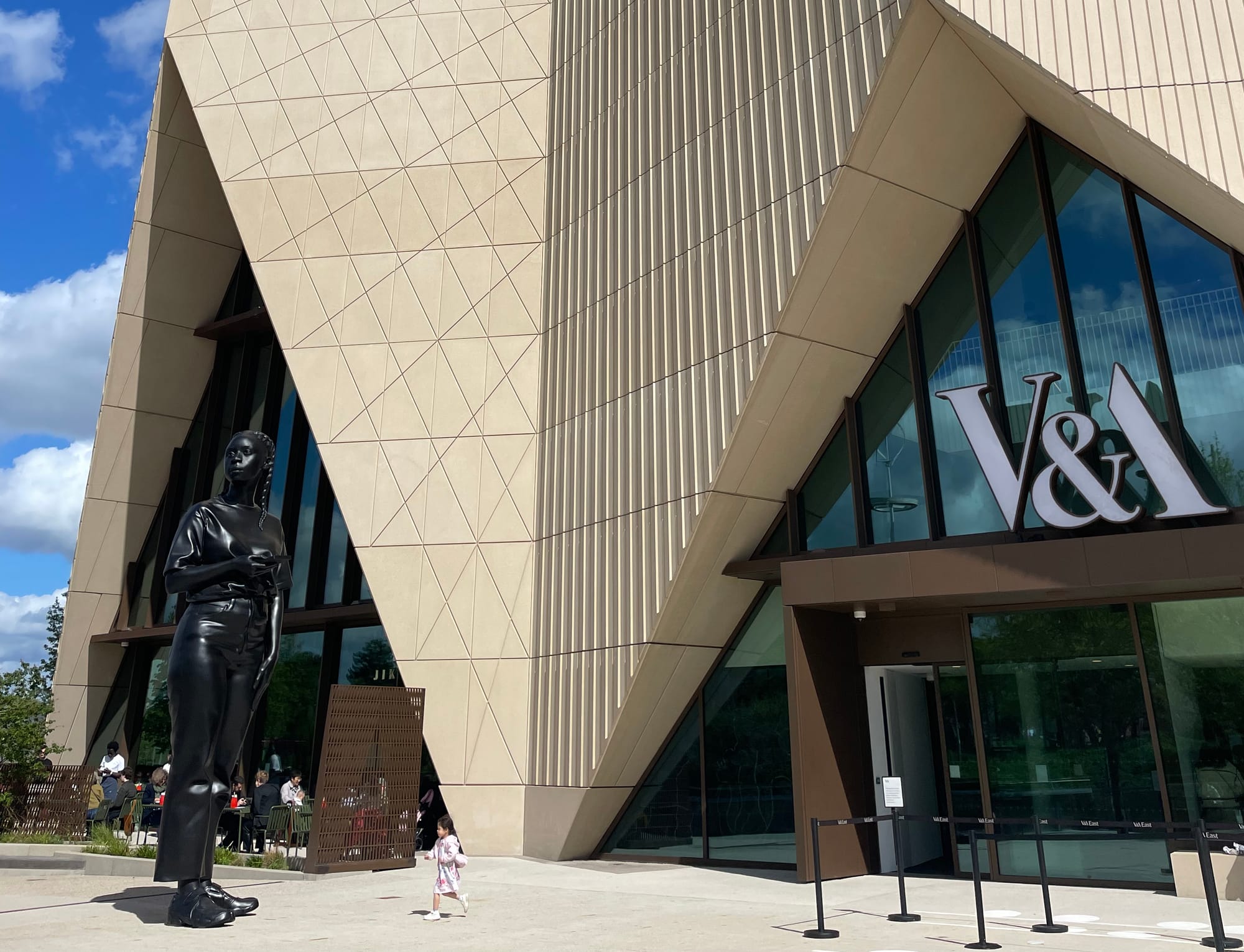
V&A East has officially unveiled its new museum building in London’s Olympic Park, a striking architectural addition to the city's burgeoning 'East Bank' cultural district. Designed by O’Donnell + Tuomey, the structure features a faceted, honey-colored concrete exterior inspired by the intricate folds of a sleeve in a Vermeer painting and the structural tailoring of Cristóbal Balenciaga. The interior houses a diverse collection of human ingenuity, ranging from Leigh Bowery’s sequined codpieces to historical ceramics, all organized within a framework that emphasizes the process of making.

Can the V&A’s New Museum Fulfill Its Democratic Promise?

The Victoria and Albert Museum (V&A) has opened its new V&A East museum and V&A East Storehouse in Stratford, East London. This expansion, part of a £660 million redevelopment, presents the museum's collection with a focus on community co-design, social justice themes, and local artists, aiming to be more accessible and democratic than its imposing South Kensington flagship.

You’ll Need a Magnifying Glass to Read Some of the World’s Smallest Books at the V&A

You’ll Need a Magnifying Glass to Read Some of the World’s Smallest Books at the V&A

The Victoria and Albert Museum (V&A) in London is showcasing a collection of the world's smallest books, many of which require a magnifying glass to read. The highlights include miniature volumes from Queen Mary's Dolls' House library, such as a tiny 1896 Bible, a Quran, and works by authors like Robert Burns, alongside even smaller modern creations like a 2002 book measuring just 2.4 by 2.9 millimeters.

Museum diplomacy in action at ICOM UK 2026: museums in a changing world

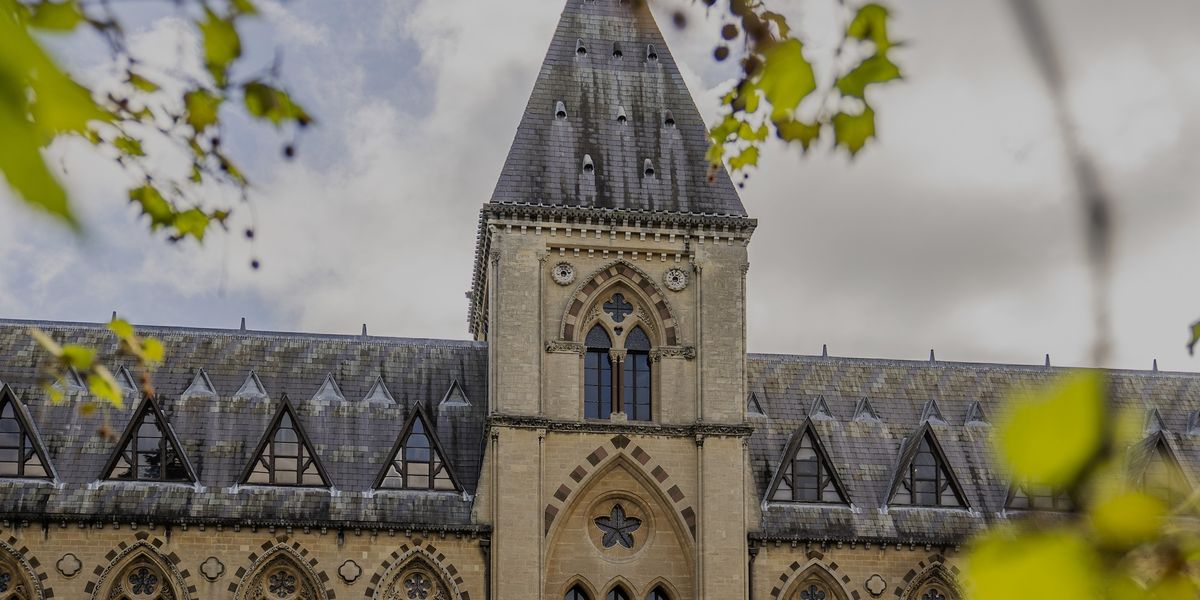
ICOM UK hosted its 2026 annual conference in Oxford, bringing together delegates from over 20 countries to explore the theme of 'Museum Diplomacy.' Keynote speaker Dr. Sascha Priewe of the Aga Khan Museum and ICOM Canada framed the current geopolitical moment as a 'GZERO World,' where no country is willing or able to lead globally, and discussed how sanctions, export controls, and shifting alliances are straining international museum collaborations. Sessions featured case studies from the Science Museum Group and International Arts & Artists, emphasizing that trust and networks, not grand gestures, are essential for enduring partnerships.

art abbas akhavan venice biennale canadian pavilion

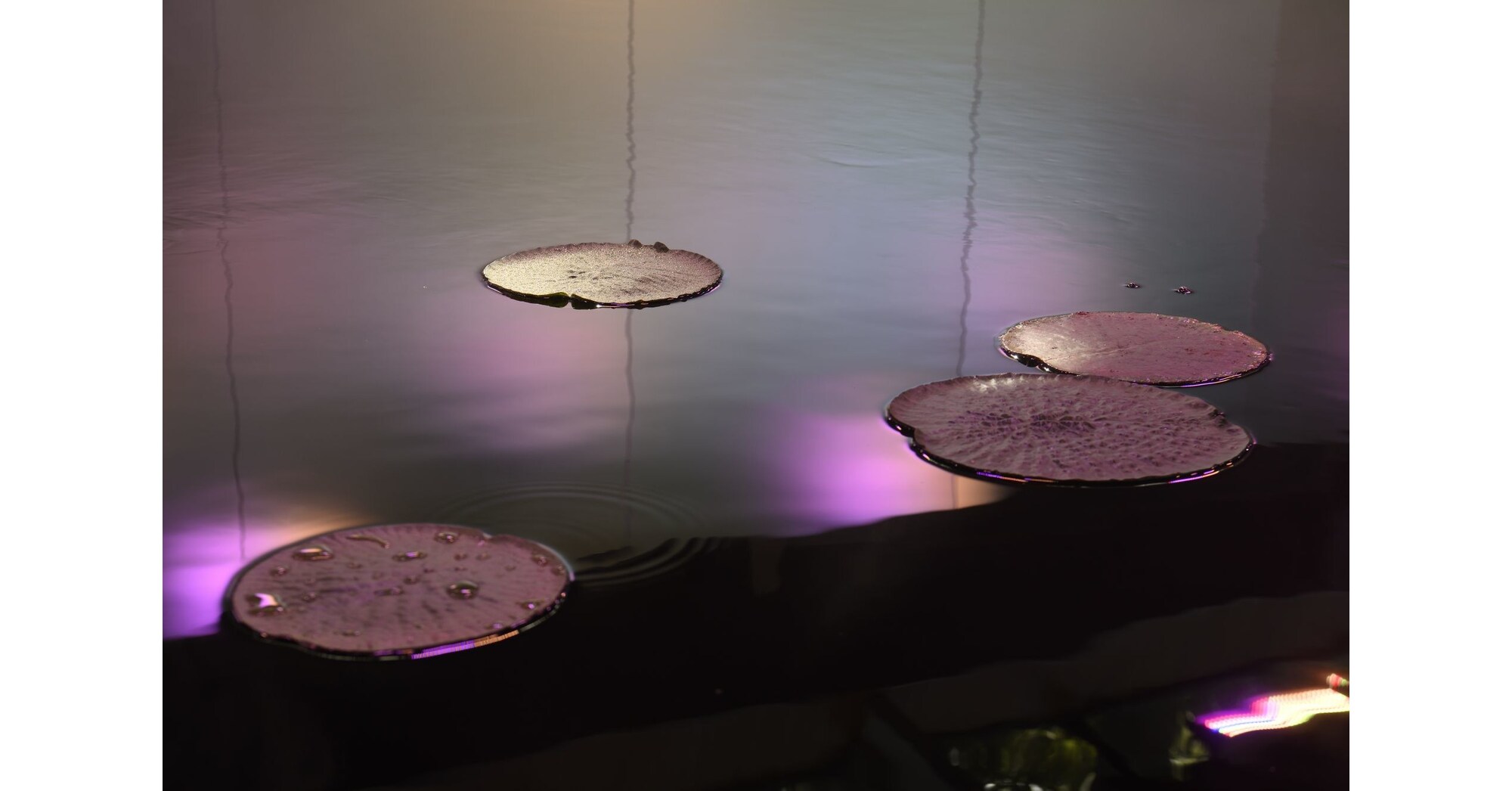
Abbas Akhavan has transformed the Canadian Pavilion at the Venice Biennale into a greenhouse-like installation titled "Abbas Akhavan: Entre chien et loup." The pavilion's wooden doorway has been replaced with glass, revealing a pond with pinkish water illuminated by sunlight and LED grow-lamps. Visitors encounter mossy boulders, a vintage fur coat sprayed with water, sharpened bronze sticks, and custom frosted mirrors that blur the architecture. The centerpiece will be three giant Bolivian water lilies, grown from seeds sent from Kew Gardens to Padua, which will gradually take over the pond over the summer. The exhibition is curated by Kim Nguyen, commissioned by the National Gallery of Canada, and supported by the Canada Council for the Arts.

‘Art’s Selfish’: Canada Pavilion Artist Abbas Akhavan on What Comes After Venice

Abbas Akhavan, representing Canada at the 2026 Venice Biennale, has transformed the Canada Pavilion into a greenhouse-like installation titled “Abbas Akhavan: Entre chien et loup.” The pavilion’s wooden door has been replaced with glass, revealing a pond of pinkish water illuminated by sunlight and LED grow-lamps. Visitors encounter mossy boulders, a vintage fur coat sprayed with mist, sharpened bronze sticks, and frosted mirrors that blur the architecture. Three giant Bolivian water lilies, grown from seeds sent from Kew Gardens to Padua, will gradually fill the pond over the summer. Akhavan describes his role as a “custodian” rather than a controller, emphasizing the unpredictability of nature.

The National Gallery of Canada, commissioner of Canada's participation in the 61st International Art Exhibition - La Biennale di Venezia, unveils the exhibition Abbas Akhavan: Entre chien et loup

The National Gallery of Canada has unveiled the exhibition "Abbas Akhavan: Entre chien et loup" for the Canada Pavilion at the 61st International Art Exhibition – La Biennale di Venezia in 2026. The site-specific installation reimagines the pavilion's architecture as a Wardian case, a precursor to the terrarium used to transport plants across the British Empire, featuring a custom pool with giant Victoria water lilies. The artist replaced the facade with glass panels, making the plants visible from outside, and the installation is framed by additional sculptural works. The exhibition is curated by Kim Nguyen and accompanied by a fully illustrated publication.

Abbas Akhavan Transforms the Canada Pavilion Into a Greenhouse, Daring Viewers to Leave Behind Their Preconceptions

Artist Abbas Akhavan has transformed the Canada Pavilion at the Venice Biennale into a functioning greenhouse for his exhibition "Entre chien et loup." The pavilion now houses a 6,000-gallon pool containing giant Victoria water lilies, with modifications including grow lights, water misters, a new ventilation system, and structural reinforcements to support the 25-ton water tank. The installation evokes Victorian-era Wardian cases and London's Crystal Palace, but Akhavan emphasizes that his interest in the lilies began intuitively, not as a commentary on colonialism or empire. The project, developed with curator Kim Nguyen, involved collaboration with Kew Gardens and the Orto Botanico di Padova to cultivate the plants, and the outcome remains uncertain as the lilies may thrive or wither over the exhibition's six-month run.

The new London museum that looks like a ‘reconstructed Toblerone’

The V&A has opened a new outpost in east London's Lower Lea Valley, a former industrial area transformed into a cultural quarter after the 2012 Olympics. The museum, described as looking like a 'reconstructed Toblerone', is the latest addition to the 'Olympicopolis' vision, which aimed to create a cultural legacy akin to west London's Albertopolis. The article, written by Catherine Slessor in The Guardian, offers a mixed review: praising the beauty and craftsmanship of the galleries while criticizing overuse of trendy phrases like 'lived experience' and 'transcultural identities'.

Science inspired art on display at White City

Eight artworks created live during the Great Exhibition Road Festival, as part of the annual science-art project Paint Lab, will go on display at Imperial College London's White City campus from July 16 to September 18. The large-scale paintings were produced by local London artists collaborating with Imperial scientists, drawing inspiration from research topics such as space weather prediction, plant self-preservation, early Parkinson's detection, and human connection during cancer treatment. The festival, organized by Imperial in partnership with the Science Museum, Natural History Museum, and V&A, attracted 55,000 visitors.

Science Museum Partners With Serendipity Arts For Free Events In London This June

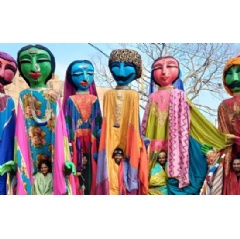
The Science Museum in London has partnered with Serendipity Arts, a not-for-profit foundation supporting artistic practice across South Asia, to present free events this June. The collaboration launches on June 5 with Innovation Lates, an adults-only evening of music, making, and ideas inspired by Indian innovation, as part of the Great Exhibition Road Festival. The festival marks 175 years since the Great Exhibition of 1851 and includes workshops, talks, performances, and a puppet parade directed by Dadi Pudumjee.