
filter_list Showing 3 results for "Hia-Ced O’odham" close Clear
search
dashboard All 3 article news 3
date_range Range Today This Week This Month All
Subscribe

US Border Wall Construction Damages 1,000-Year-Old Indigenous Land Art in Arizona

Construction crews building a barrier between the United States and Mexico have damaged a 200-foot-long etching of a fish embedded in the land in Arizona, known as the Las Playas Intaglio, which is thought to be 1,000 years old. According to a report in the Washington Post, workers destroyed a 60-to-70-foot portion of the ancient Indigenous land art as part of President Donald Trump’s $46.5 billion border-wall project. Satellite imagery confirmed the destruction, showing bulldozer marks running through about a third of the fish formation. U.S. Customs and Border Protection acknowledged the incident, stating that a contractor inadvertently disturbed the cultural site on April 23, 2026, and that the remaining portion has been secured.
1,000-year-old archaeological site bulldozed during construction of Mexico-US border wall

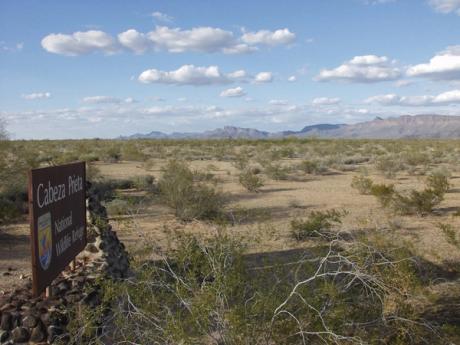
On 24 April, a Department of Homeland Security contractor bulldozed a 1,000-year-old intaglio—a 280ft by 50ft etching in the desert sand—during construction of the US-Mexico border wall in Arizona's Cabeza Prieta National Wildlife Refuge. The site, sacred to local Indigenous communities including the Hia-Ced O’odham, was part of a UNESCO biosphere and contained over 3,000 petroglyphs. Despite warnings from tribal members and refuge staff, the contractor destroyed a 70ft stretch of the fish-shaped intaglio, which elders and archaeologists describe as an irreplaceable cultural and archaeological treasure.

Bulldozer Plows Across Thousand-Year-Old Indigenous Land Art During Border Wall Construction

Construction workers building the Trump administration's border wall between the US and Mexico accidentally damaged a two-hundred-foot-long Indigenous land art figure known as the Las Playas Intaglio, a colossal fish etched into the earth near Ajo, Arizona, that is thought to be over a thousand years old. Satellite imagery showed bulldozer tracks cutting a sixty-to-seventy-foot-wide path across the intaglio, and a Customs and Border Protection spokesperson confirmed the disturbance, stating the remaining portion had been secured and would be protected in place.