filter_list Showing 6 results for "Himali Singh Soin" close Clear
dashboard All 6 article policy 2museum exhibitions 2article local 1article news 1
date_range Range Today This Week This Month All
Subscribe

duabis alserkal avenue 2025 art dubai 1234738721

Alserkal Avenue in Dubai's Al Quoz Industrial district has transformed from a cluster of warehouses and auto shops into a major cultural hub, now housing around 90 creative businesses including 17 contemporary art galleries. Founded in 2008 by Emirati patron Abdelmonem Bin Eisa Alserkal, the Avenue began with a single gallery, Ayyam, and has since expanded through a $13.6 million investment to replace a marble factory with purpose-built spaces. Key galleries include Carbon 12, The Third Line, and Green Art Gallery. The centerpiece is Concrete, an exhibition hall designed by Rem Koolhaas's OMA, currently hosting Imran Qureshi's solo show 'Vanishing Points,' curated by Nada Raza. Other notable exhibitions include Michael Sailstorfer's 'Air Electric' series at Carbon 12.
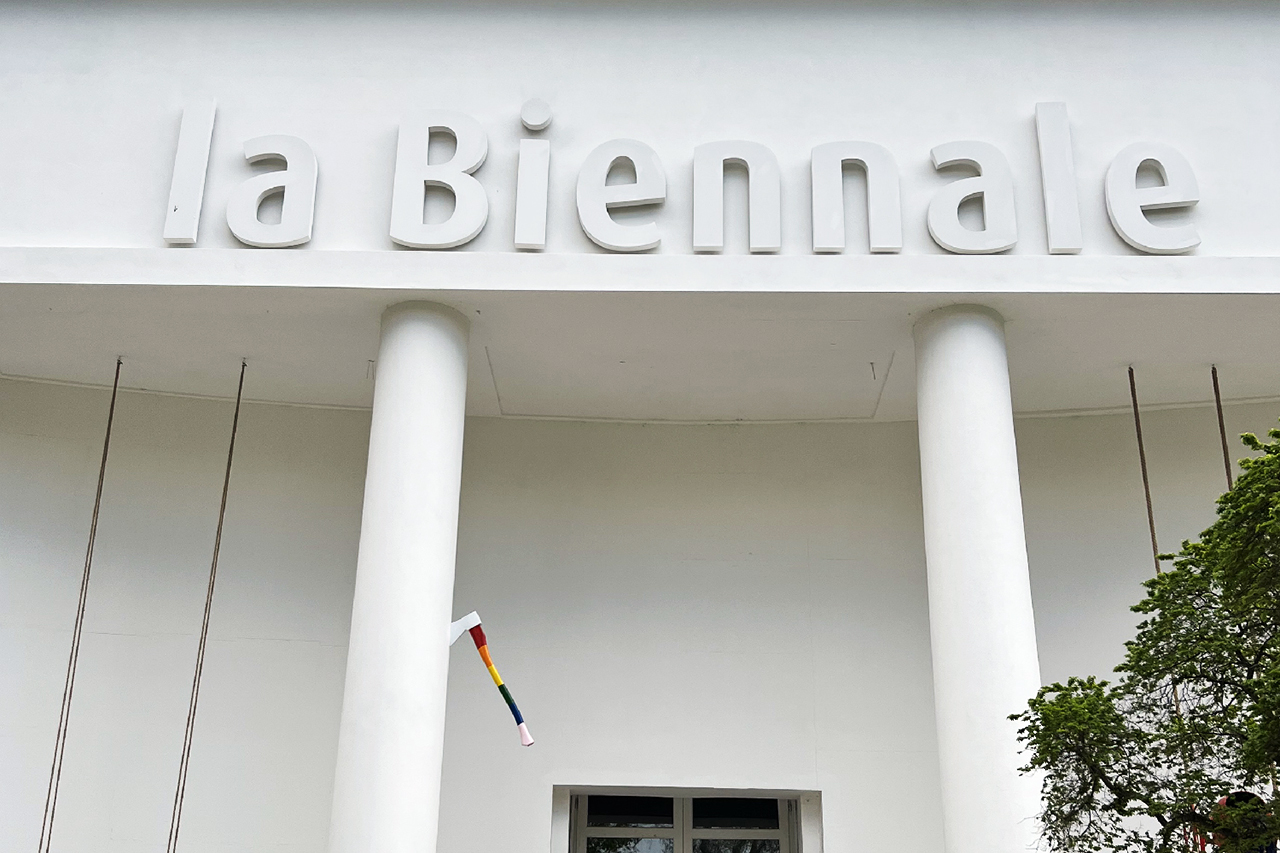
An open letter to La Biennale di Venezia calls out inaction in the face of global atrocities

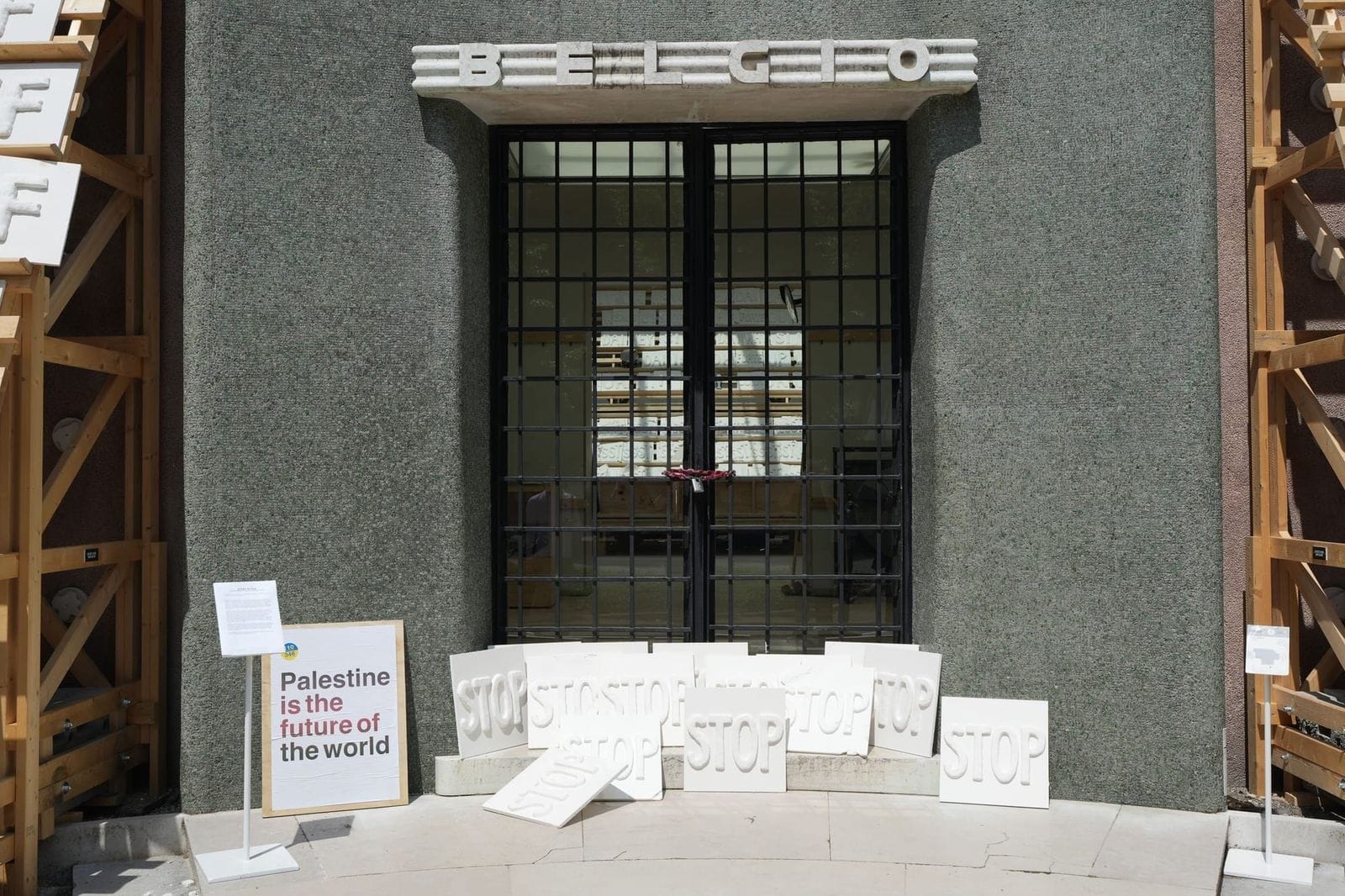
A group of 74 artists and curators invited to the 61st Venice Biennale have issued an open letter to the institution's president, Pietrangelo Buttafuoco. The signatories are protesting the decision to relocate the Israeli Pavilion to the Arsenale, placing it in close proximity to the central exhibition 'In Minor Keys' curated by the late Koyo Kouoh. The letter demands the exclusion of official delegations from countries accused of war crimes—specifically Israel, Russia, and the United States—and accuses the Biennale of complicity through its silence on global atrocities.

Urgent Request from Participating Artists and Curators of the 61st Venice Biennale

第61回ヴェネツィア・ビエンナーレ参加アーティストおよびキュレーターによる緊急要請

A group of 73 artists and curators participating in the 61st Venice Biennale, including Yoshiko Shimada and Bubu de la Madeleine, have issued an urgent demand to the Biennale's board to revoke Israel's participation. The collective specifically objects to the decision to relocate the Israeli pavilion to the Arsenale, arguing that its presence contradicts the curatorial vision of Artistic Director Koyo Kouoh, which emphasizes the dignity of all life. They contend that the military and police presence required for the pavilion introduces an atmosphere of violence and fear that undermines the exhibition's integrity.

Dozens of Venice Biennale Artists Withdraw From Awards En Masse

Almost half of the artists in the 61st Venice Biennale's international exhibition, along with 16 national pavilion teams, have withdrawn from awards consideration in solidarity with the jury's resignation. The jury resigned on April 30 after stating it would not consider countries whose leaders are charged with crimes against humanity by the ICC, effectively disqualifying Israel and Russia. The Biennale Foundation then replaced the traditional Golden Lions with new "Visitor Lions" decided by public vote, reinstating all pavilions including Israel and Russia. The withdrawal follows protests at the Russian and Israeli pavilions and a historic labor strike that shuttered multiple pavilions.

In Minor Keys: The 61st Biennale di Arte Venezia Opens Under Koyo Kouoh (1967–2025).

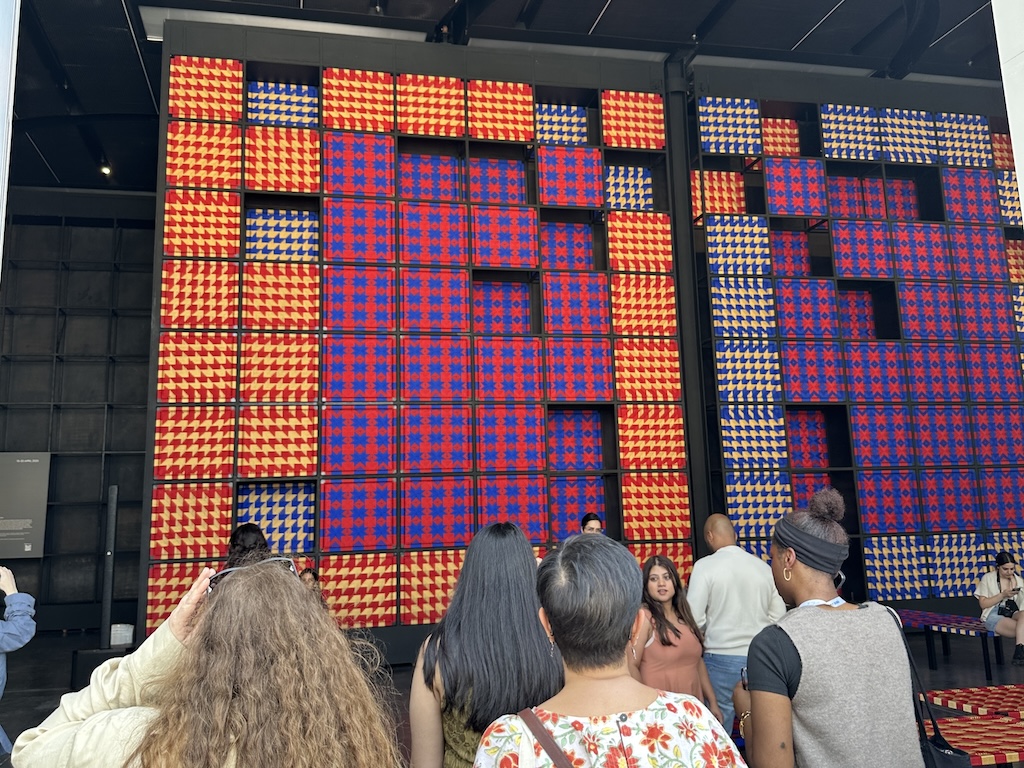
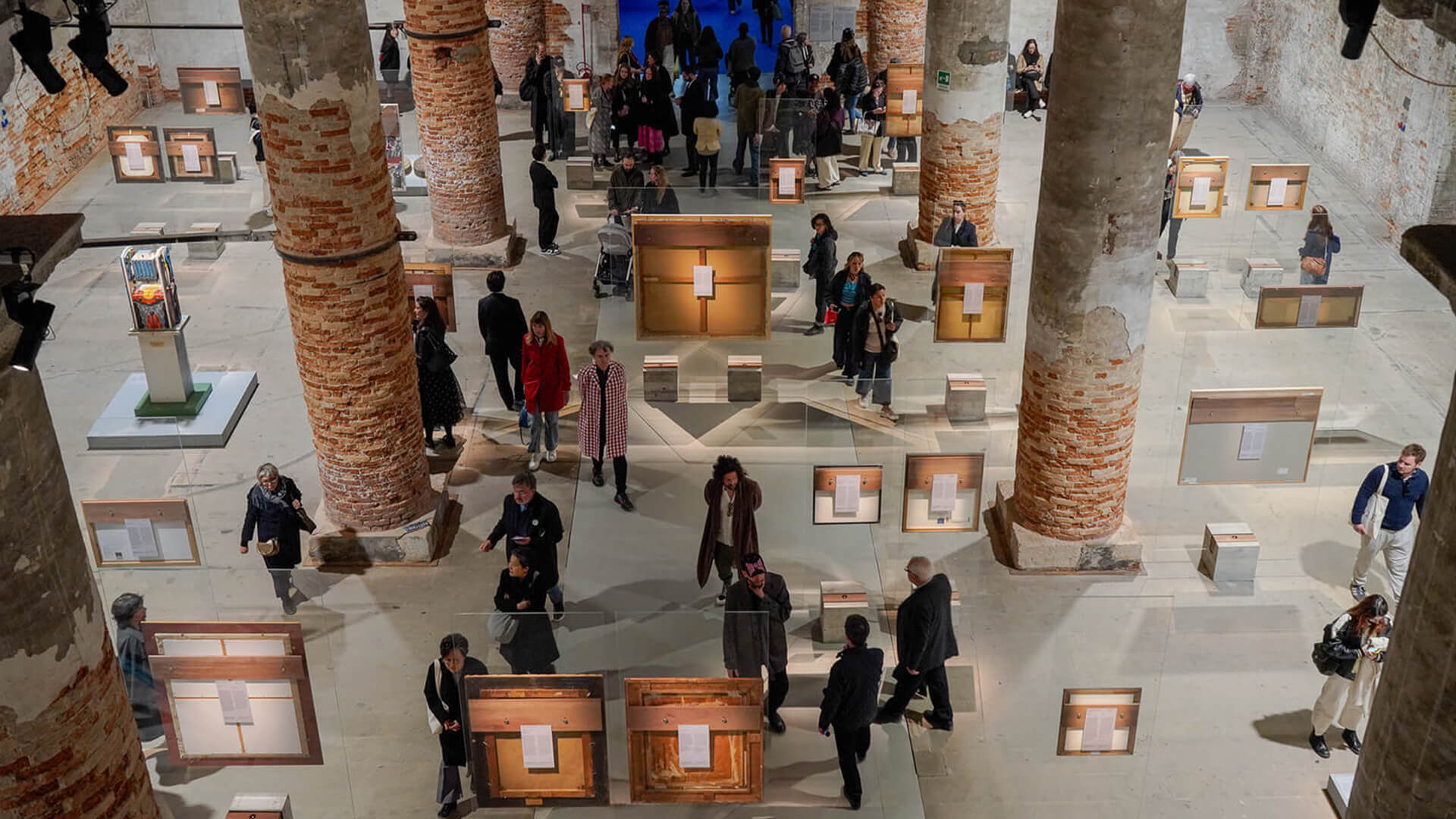
The 61st Biennale di Arte Venezia opens under the posthumous curatorial vision of Koyo Kouoh (1967–2025), the late Cameroonian-born curator who reshaped contemporary African and diasporic art discourse. The central exhibition, spanning the Giardini and Arsenale, features 111 participants including artists, collectives, and artist-led organizations from across the Global South, with works in textiles, film, sculpture, and performance that interrogate colonialism, migration, and ecological repair. The Biennale is also marked by a pronounced presence of African and diasporic narratives across national pavilions, including several first-time pavilions from the African continent.

In pictures: highlights from Art Basel's city-wide exhibition, Parcours

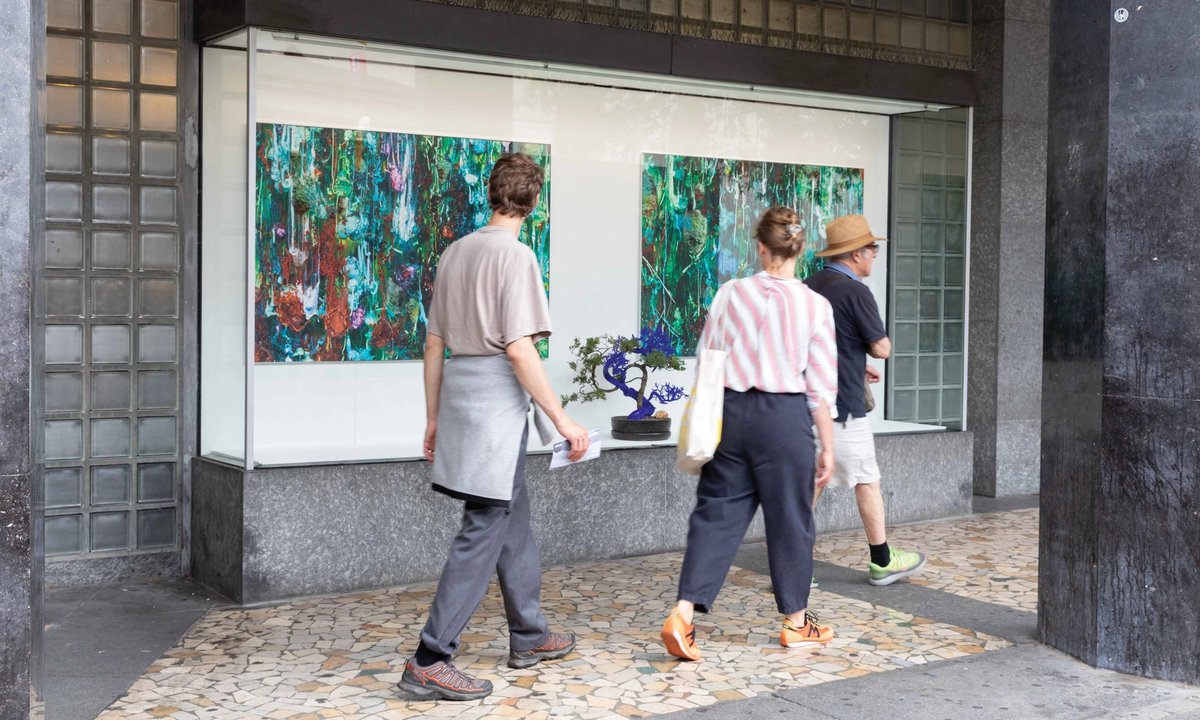
New York-based curator Stefanie Hessler has organized the second edition of Art Basel's Parcours exhibition, featuring 21 works installed across Basel in unconventional spaces such as hotels, shops, and private apartments. Highlights include Agnieszka Kurant's chemical gardens made from computer-manufacturing metals, Finnegan Shannon's accessible benches with rest-oriented texts, and Hylozoic/Desires' 80-meter fabric installation referencing a colonial-era customs line. The exhibition clusters along Clarastrasse and extends to the Münsterplatz in the Old Town.