
filter_list Showing 4 results for "Horniman Museum" close Clear
search
dashboard All 4 article news 2gavel restitution 2
date_range Range Today This Week This Month All
Subscribe

National Portrait Gallery

The article is a placeholder or stub for the National Portrait Gallery, likely referencing a news item or update about the institution. It includes a subscription prompt for The Art Newspaper’s digital newsletter and standard footer information, but no substantive content about events, exhibitions, or developments at the gallery.
All England shortlist revealed for Art Fund Museum of the Year 2026

The Art Fund has announced the five finalists for its Museum of the Year 2026 award, all of which are located in England. The shortlist includes The National Gallery and V&A East Storehouse in London, Norwich Castle, Cambridge’s Fitzwilliam Museum, and The Box in Plymouth. The winner will be announced at a ceremony at London's Cutty Sark on June 25.

netherlands returns 119 benin bronzes to nigeria in landmark repatriation agreement 2610481

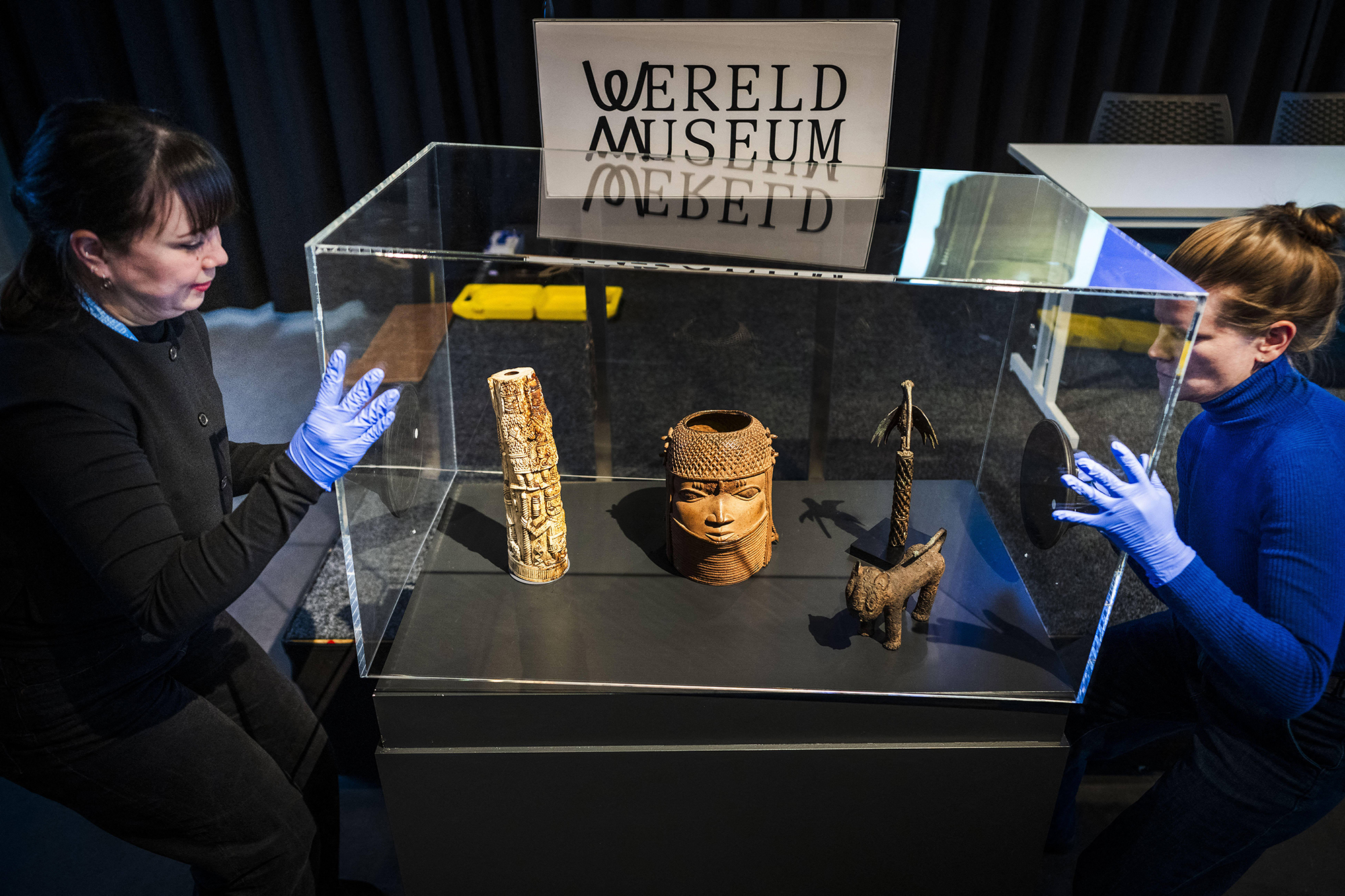
The Netherlands has signed an agreement to return 119 Benin Bronzes to Nigeria, one of the largest repatriations of looted artifacts to date. The transfer, formalized on February 19 by Dutch culture minister Eppo Bruins and Nigerian official Olugbile Holloway at the Wereldmuseum in Leiden, includes 113 bronzes from the Dutch National Collection held at the museum and six additional objects from the municipality of Rotterdam. The artifacts were plundered by British forces in 1897 and later acquired by Dutch institutions, with provenance research confirming the museums were aware of their looted origins.

Mummies and other human remains held in UK museums raise serious ethical questions, warn scholars

A major investigation has revealed that UK museums, universities, and local authorities hold more than 263,000 human remains, including mummies, skeletons, and skulls. Of these, approximately 37,000 originate from overseas, largely from former British colonies, often acquired without consent. The findings have sparked intense criticism from scholars and curators who argue that the sheer scale of these collections reflects a distressing colonial legacy and necessitates a systemic shift toward repatriation and more ethical storage practices.