filter_list Showing 5 results for "Institutional Critique" close Clear
search
dashboard All 5 museum exhibitions 2article local 1person people 1rate_review review 1
date_range Range Today This Week This Month All
Subscribe

Edgar Calel Honored with $75,000 Sam Gilliam Award

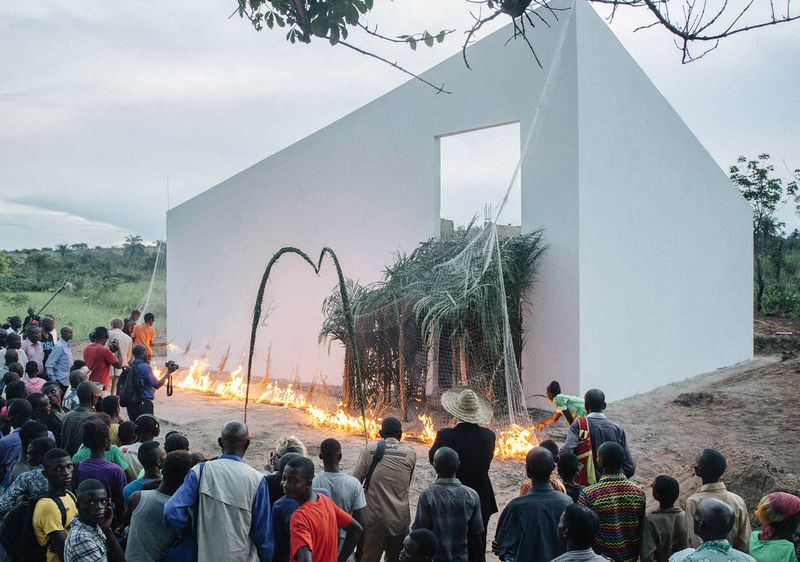
The Dia Art Foundation and the Sam Gilliam Foundation have announced Edgar Calel as the winner of the 2026 Sam Gilliam Award. The Guatemala-based artist and poet, born in 1987 in Chi Xot (San Juan Comalapa), will receive $75,000 and participate in a public program at a Dia location this fall. Calel, of Maya Kaqchikel heritage, works across painting, drawing, sculpture, and performance, and is known for monumental installations reflecting Mayan cosmovision and themes of ownership and stewardship. He was selected by a panel including Dia curators Jordan Carter and Matilde Guidelli-Guidi, Elvira Dyangani Ose, Annie Gawlak, Shanay Jhaveri, and Clara Kim.
CUANDO LOS OBJETOS HABLAN. MUSEO HECHIZO, DE JUAN JOSÉ SANTOS

Juan José Santos's book "Museo hechizo" (Metales Pesados, 2025) challenges the perceived neutrality of the Western museum, presenting it as an institution shaped by colonial logics of classification, extraction, and representation. The essay centers on the concept of "lo hechizo"—understood as both artisanal precariousness and disruptive enchantment—and explores small, community-based Latin American museum experiences that operate from precarity, reciprocity, and care. Santos argues that the museum is a space of conflict where voices, narratives, and ways of constructing history are contested, and he proposes thinking of the museum through its minor, situated, and alternative forms in Latin America.

Get to know these 5 unconventional galleries driving art forward in North Texas

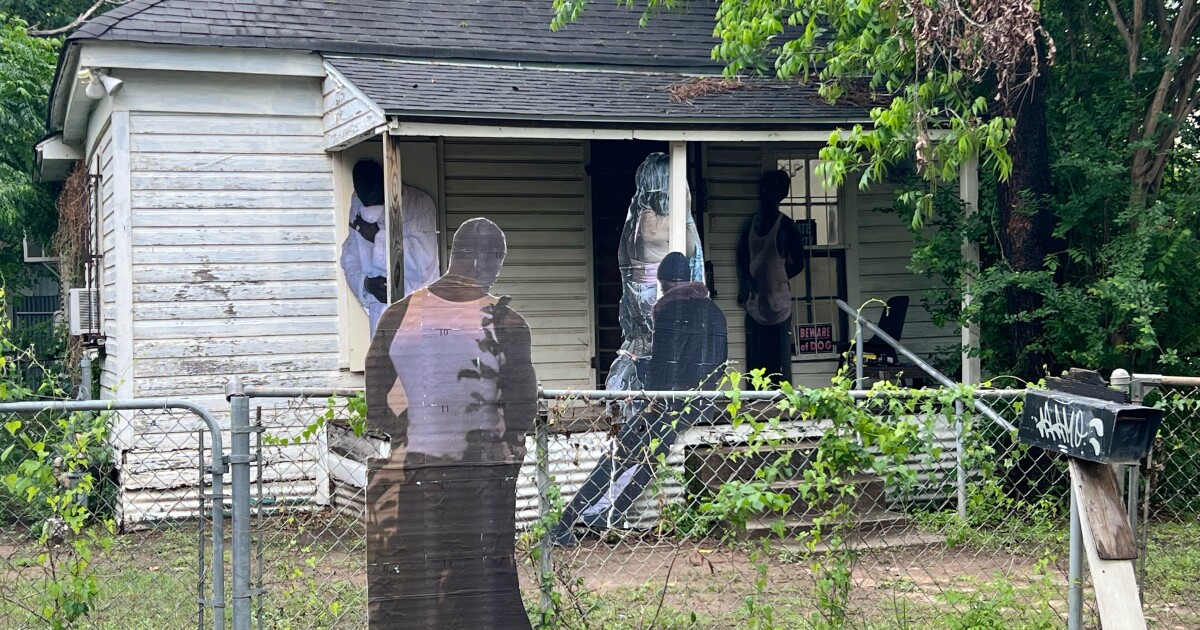
A wave of independent, artist-run galleries is emerging across North Texas, operating out of unconventional spaces like houses, lofts, and apartments. Notable examples include PRP (Permanent Research Project) in a little white house in Trinity Groves, Nature of Things in a Deep Ellum loft, and 2 BED 1 BATH in an Oak Cliff apartment. These venues often face precarious funding and zoning issues, yet they persist, with some like 500X operating since 1978 and PRP for a decade. Recent exhibitions have addressed themes such as the treatment of bodies in visual culture and political commentary, including a protest show after the University of North Texas shut down an exhibition critical of Immigration and Customs Enforcement.

ON THE IM-POSSIBILITY OF COMMUNICATING. “DICHO A MANO”, BY FELIPE PINEDA

SOBRE LA IM-POSIBILIDAD DE COMUNICARSE. “DICHO A MANO”, DE FELIPE PINEDA

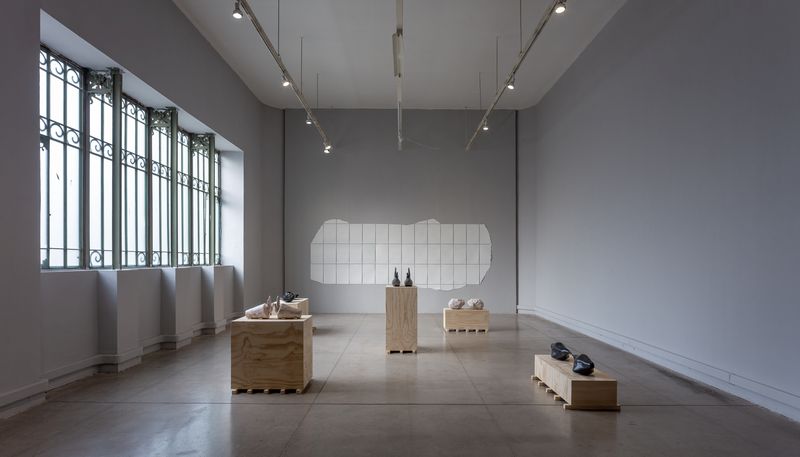
The exhibition "Dicho a mano" by Chilean artist Felipe Pineda, curated by Ayelén Ruiz at the Museo de Arte Contemporáneo de Santiago, explores the difficulty of communication when words fail, turning to the body and hands as alternative languages. Pineda draws on his migratory experience in London and references mutilated classical sculptures from the British Museum, while a recent theft of one piece adds an unexpected dimension. The show reflects on barriers in art and human connection, proposing that even failed communication carries a desire to be understood.

SPAIN ORIOL VILANOVA AND THE ABOLITION OF THE MUSEUM AND THE ARCHIVE

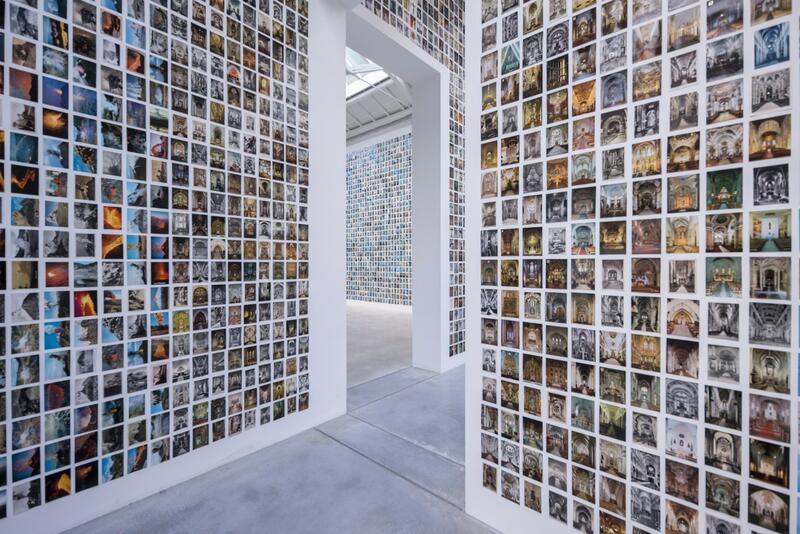
The Spanish Pavilion at the 61st Venice Biennale presents "Los restos," a project by Catalan artist Oriol Vilanova, curated by Carles Guerra. The installation transforms the pavilion into an anti-museum or pseudo-museum, featuring Vilanova's collection of postcards sourced from flea markets over more than twenty years. The work critiques traditional archival systems through accumulation, repetition, and fragmentation, and includes a publication and a performative action titled "El fantasma de la libertad" (2026), inspired by Luis Buñuel, which will take place across the Giardini and Arsenale.