
filter_list Showing 3 results for "Japan Pavilion" close Clear
dashboard All 3 museum exhibitions 2person people 1
date_range Range Today This Week This Month All
Subscribe

The Interview: Ei Arakawa-Nash

Ei Arakawa-Nash, a Japanese American performance artist, was selected to represent Japan at the 61st Venice Biennale, becoming the first non-Japanese national to do so in a solo presentation. This follows his first solo museum exhibition, "Paintings Are Popstars," at Tokyo's National Art Center in 2024, which was also the center's first solo show devoted to a performance artist. In an interview with ArtReview, Arakawa-Nash discusses his naturalization as a U.S. citizen, his complex relationship with national identity, and his upcoming Venice exhibition titled "Grass Babies, Moon Babies," cocurated by Lisa Horikawa and Takahashi Mizuki, which will explore themes of care and reparation using babies as a central motif.
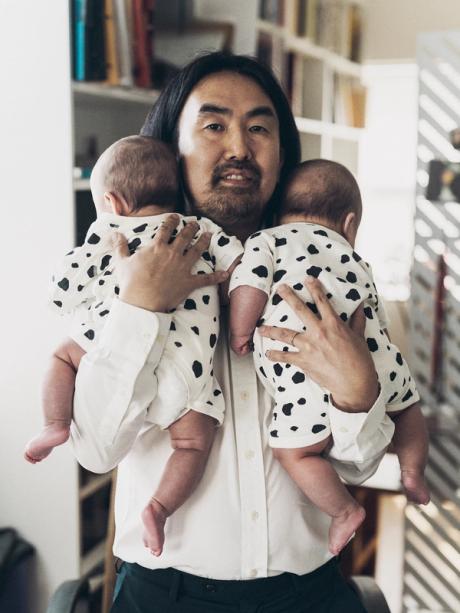
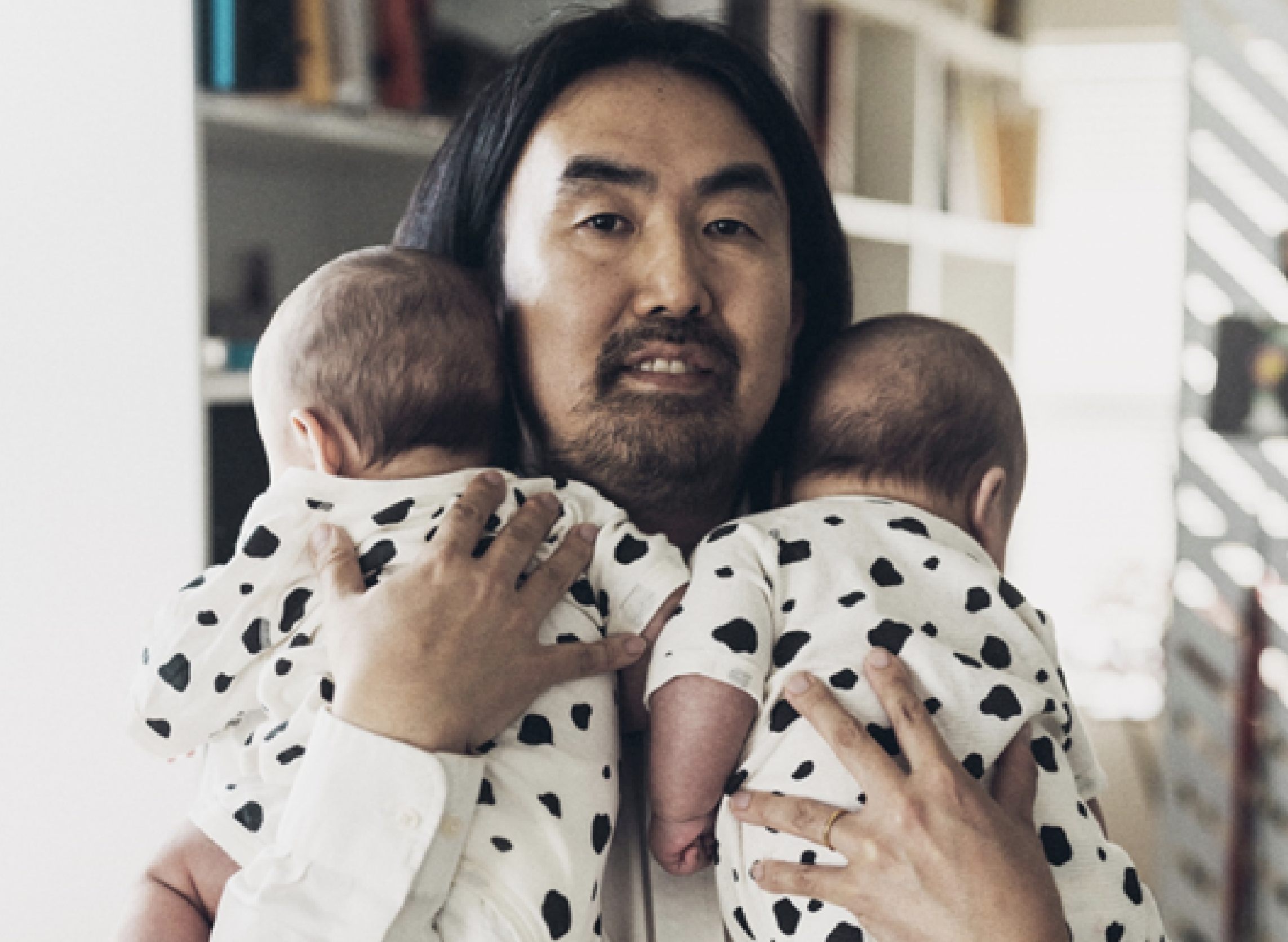
Mind the baby! Visitors to the Japanese Venice Biennale pavilion will be asked to look after dolls

Ei Arakawa-Nash, a Japanese-born artist who no longer holds Japanese citizenship, will represent Japan at the Venice Biennale with an exhibition titled "Grass Babies, Moon Babies." The pavilion will feature over 100 baby dolls that visitors are invited to adopt and carry, engaging in caregiving tasks such as changing a nappy. Each doll corresponds to a historically significant date tied to minority communities, linking intimate acts of care to broader historical narratives. The project also includes a collaboration with the Korean Pavilion, marking the first such partnership between the two national pavilions in Biennale history.

Al Padiglione del Giappone della Biennale di Venezia vi affidano una bambola da accudire

The Japan Pavilion at the Venice Art Biennale 2026 features an immersive, interactive exhibition titled "Grass Babies, Moon Babies" by Japanese-American artist Ei Arakawa-Nash. Visitors are invited to care for one of 200 dolls, each with a QR code that provides a "diaper poem" linked to the doll's symbolic birth date—reflecting the artist's personal experience of becoming a father in 2024 and broader social dynamics in Japan. The pavilion, curated by Lisa Horikawa and Mizuki Takahashi, evolves over the seven months of the Biennale as a platform for shared care and participation.