
filter_list Showing 3 results for "Karl Schmidt-Rottluff" close Clear
dashboard All 3 museum exhibitions 2trending_up market 1
date_range Range Today This Week This Month All
Subscribe

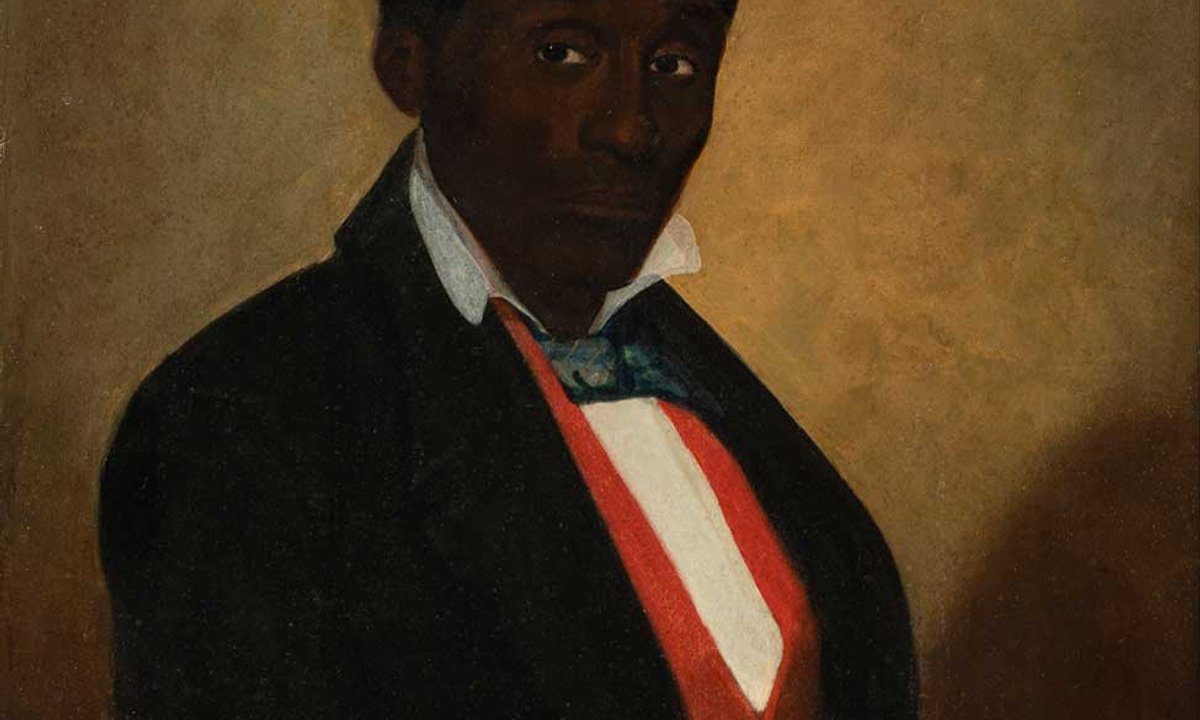
Acquisitions round-up: an ‘exceptionally rare’ portrait of an enslaved person and two large-scale donations

The article reports on three major acquisitions and donations in the art world. The Mississippi Museum of Art and Crystal Bridges Museum of American Art jointly acquired an 'exceptionally rare' portrait of Frederick, an enslaved person in pre-emancipation Mississippi, painted around 1840 by C.R. Parker. The portrait sold for $508,750 at Neal Auction Company. Separately, entrepreneur and collector Hermann Gerlinger donated 42 works by the German Expressionist group Die Brücke to Kunstsammlungen Chemnitz, including a marriage portrait by Karl Schmidt-Rottluff. Additionally, the family of late Korean artist Suki Seokyeong Kang donated around 400 of her works to Ewha Womans University in Seoul, where she studied and taught.
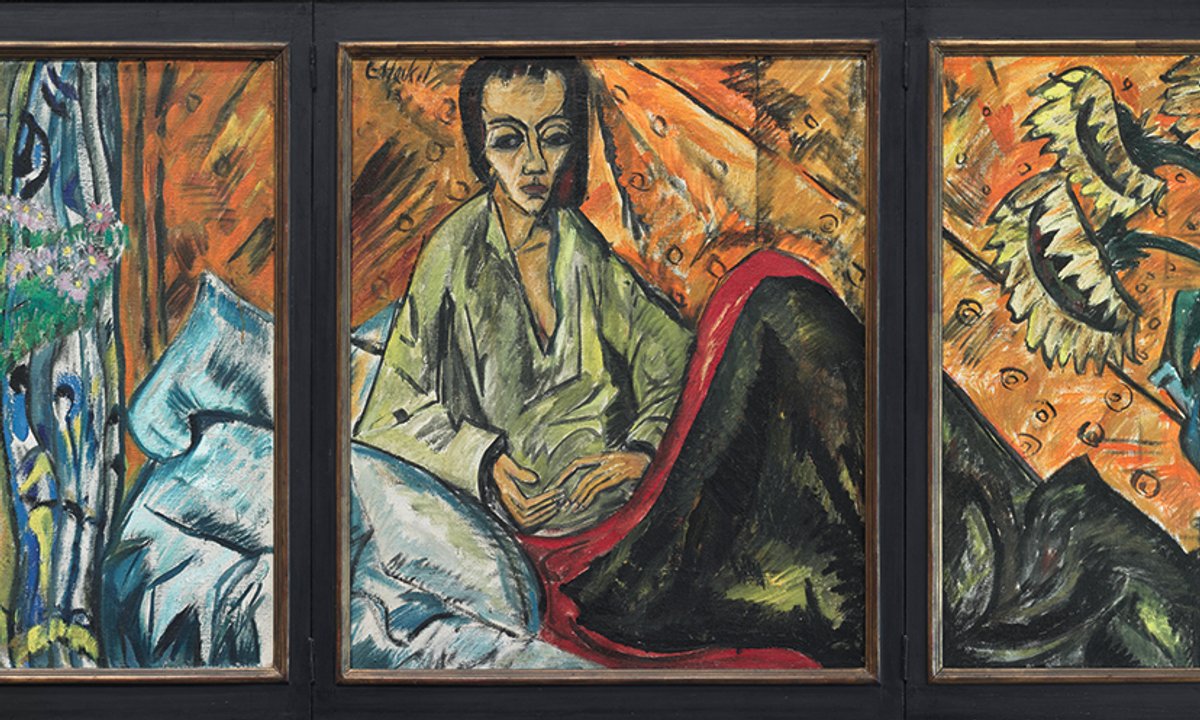
Introducing Erich Heckel, the unsung driving force of Die Brücke

The Neue Galerie in New York is opening the first US museum exhibition dedicated to German Expressionist artist Erich Heckel (1883-1970), running from October 9, 2025 to January 12, 2026. Heckel, a co-founder of Die Brücke in 1905 alongside Ernst Ludwig Kirchner, Karl Schmidt-Rottluff, and Fritz Bleyl, is often overshadowed by Kirchner's dramatic life and market success. The show features around 40 works from 1905 to 1920, including loans from Harvard Art Museums and the Metropolitan Museum of Art, and highlights Heckel's bold woodcuts and paintings that pushed the boundaries of Expressionism.

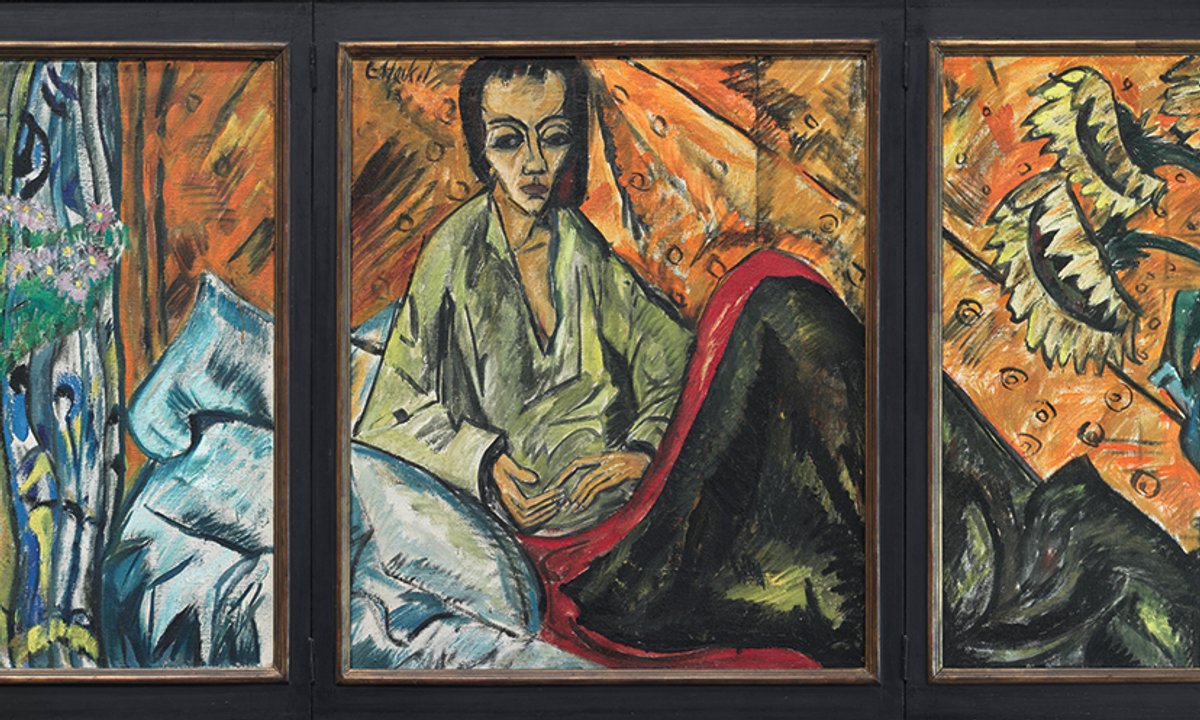
Introducing Erich Heckel, the unsung driving force of Die Brücke

The Neue Galerie in New York is opening the first US museum exhibition dedicated to German Expressionist artist Erich Heckel (1883-1970), running from October 9, 2025 to January 12, 2026. Heckel was a co-founder of the influential group Die Brücke in 1905, alongside Ernst Ludwig Kirchner, Karl Schmidt-Rottluff, and Fritz Bleyl. Unlike the more flamboyant Kirchner, Heckel was introverted and avoided scandal, but he served as the group's organizational driving force, organizing key exhibitions and transforming Die Brücke into a promotional platform. The show features around 40 works from 1905 to 1920, including loans from the Harvard Art Museums and the Metropolitan Museum of Art.