
filter_list Showing 3 results for "Kevin D. Dumouchelle" close Clear
dashboard All 3 museum exhibitions 3
date_range Range Today This Week This Month All
Subscribe

Smithsonian’s First Major Exhibit Of African LGBTQ+ Art On Display Through August

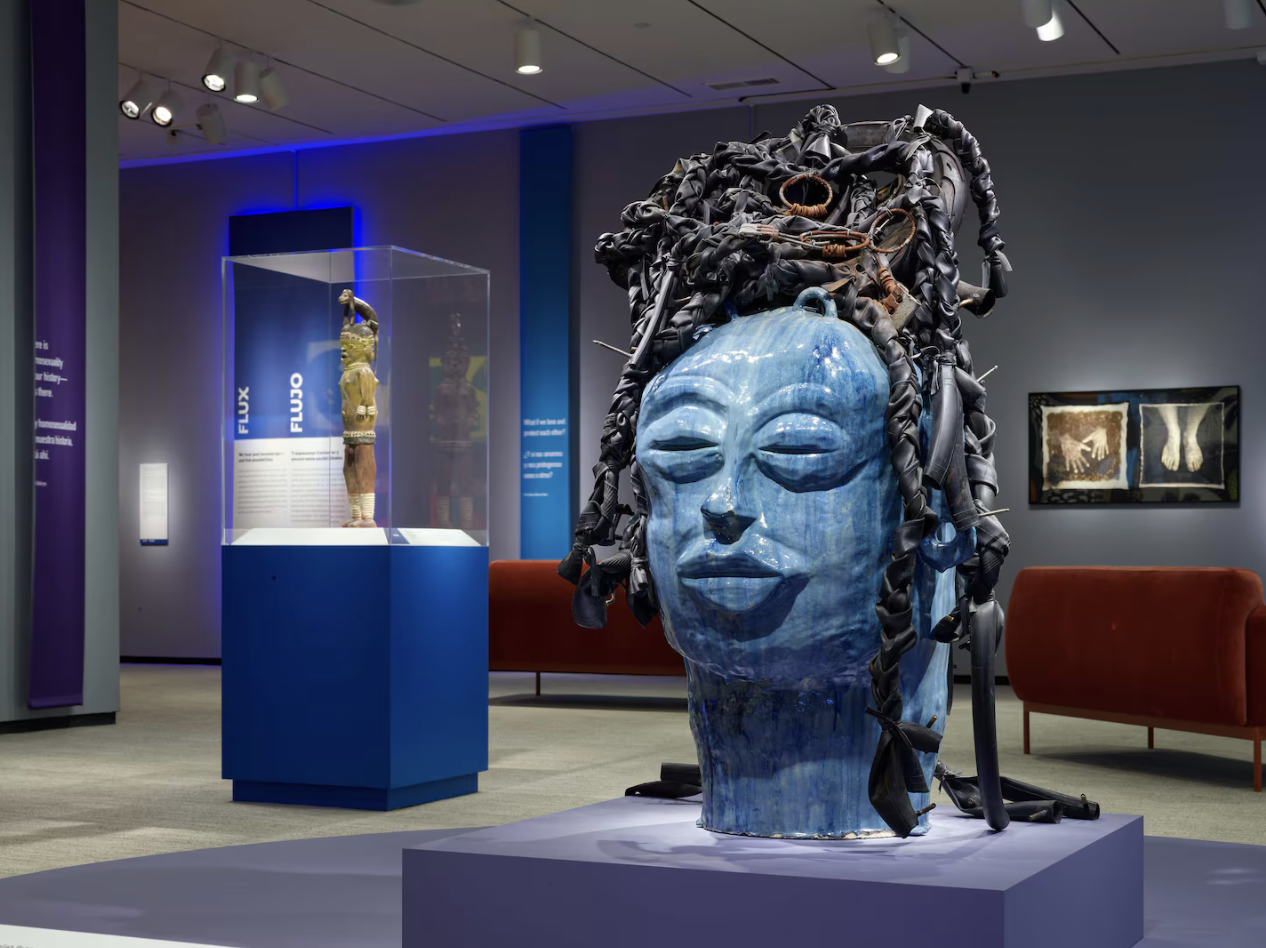
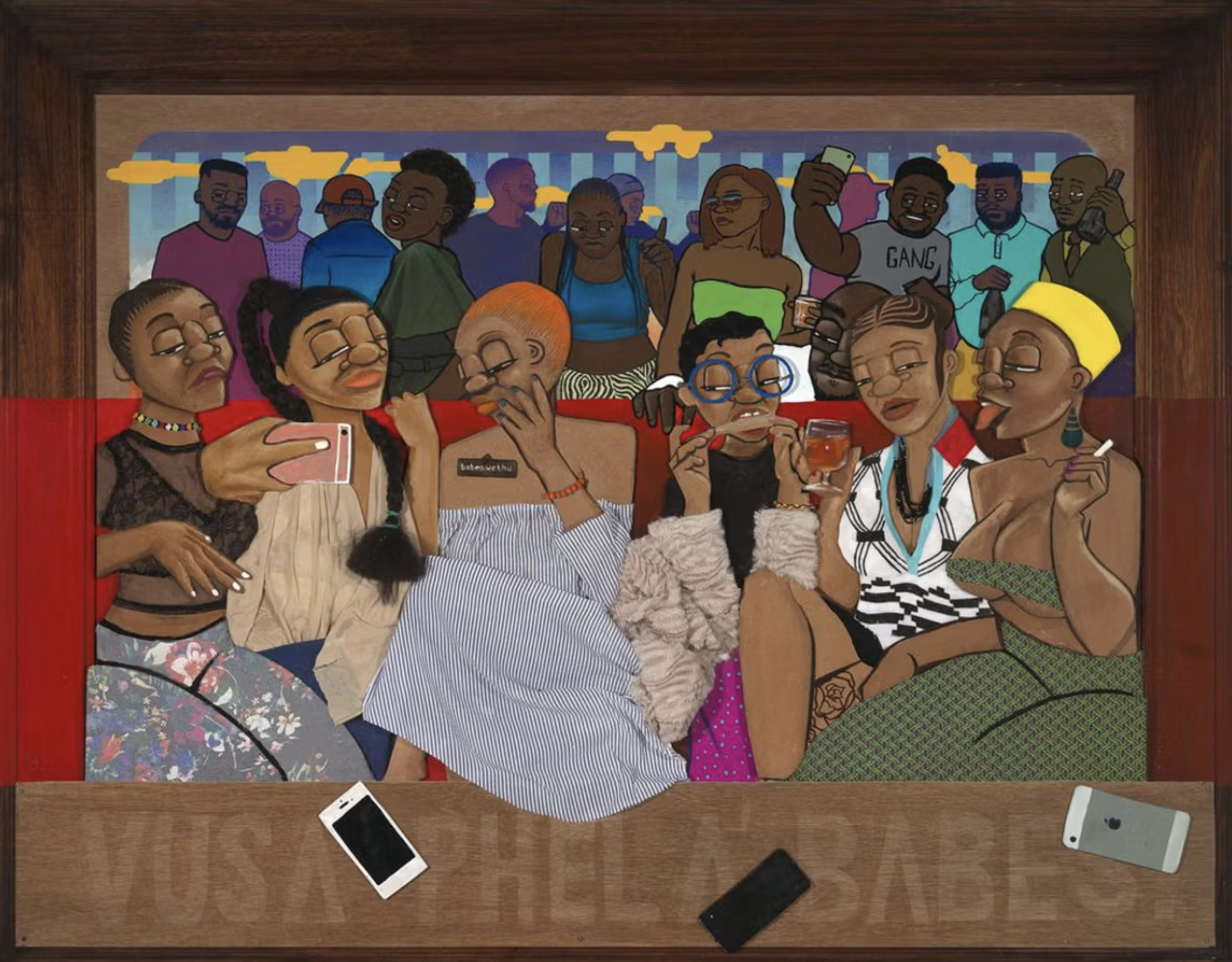
The National Museum of African Art, part of the Smithsonian Institution, has opened "Here: Pride and Belonging in African Art," its first major exhibition dedicated to African LGBTQ+ art. Featuring 60 works by artists from over a dozen countries across Africa and its diaspora, the show includes paintings, sculptures, textiles, photography, film, and video. Co-curated by Serubiri Moses and Kevin D. Dumouchelle, the exhibition highlights collaboration, joy, and lived experience, with artists such as Zanele Muholi, Toyin Ojih Odutola, Rotimi Fani-Kayode, Jim Chuchu, Ṣọlá Olúlòde, and Leilah Babirye. Originally scheduled to open in May 2025 to coincide with WorldPride in Washington, the exhibition was postponed to January 2026 due to a Smithsonian budget situation, but ultimately opened as planned.

National Museum of African Art Announces “Here: Pride and Belonging in African Art”

The Smithsonian’s National Museum of African Art has announced “Here: Pride and Belonging in African Art,” an exhibition opening January 23 through August 23, 2026. Featuring nearly 60 works by LGBTQ+ artists from Africa and its diaspora—including Zanele Muholi, Toyin Ojih Odutola, Rotimi Fani-Kayode, Leilah Babirye, Jim Chuchu, and Ṣọlá Olúlòde—the show spans painting, photography, sculpture, installation, video, and digital art. Co-curated by Serubiri Moses and Kevin D. Dumouchelle, the exhibition is built on years of dialogue with artists and communities, centering their voices and lived experiences.

‘We Are Here’: Queer Presence and Memory in African Art

The Smithsonian's National Museum of African Art has opened 'Here: Pride and Belonging in African Art,' an exhibition curated by Kevin D. Dumouchelle and Serubiri Moses. Developed through years of direct dialogue with LGBTQ+ artists across Africa and its diaspora, the show foregrounds self-representation and community, ensuring artists defined the terms of their inclusion. It features contemporary works alongside historical precedents, creating a continuum of queer presence in African art history.