
filter_list Showing 4 results for "Larissa Pham" close Clear
dashboard All 4 article culture 3rate_review review 1
date_range Range Today This Week This Month All
Subscribe

5 Art Novels to Read This Summer

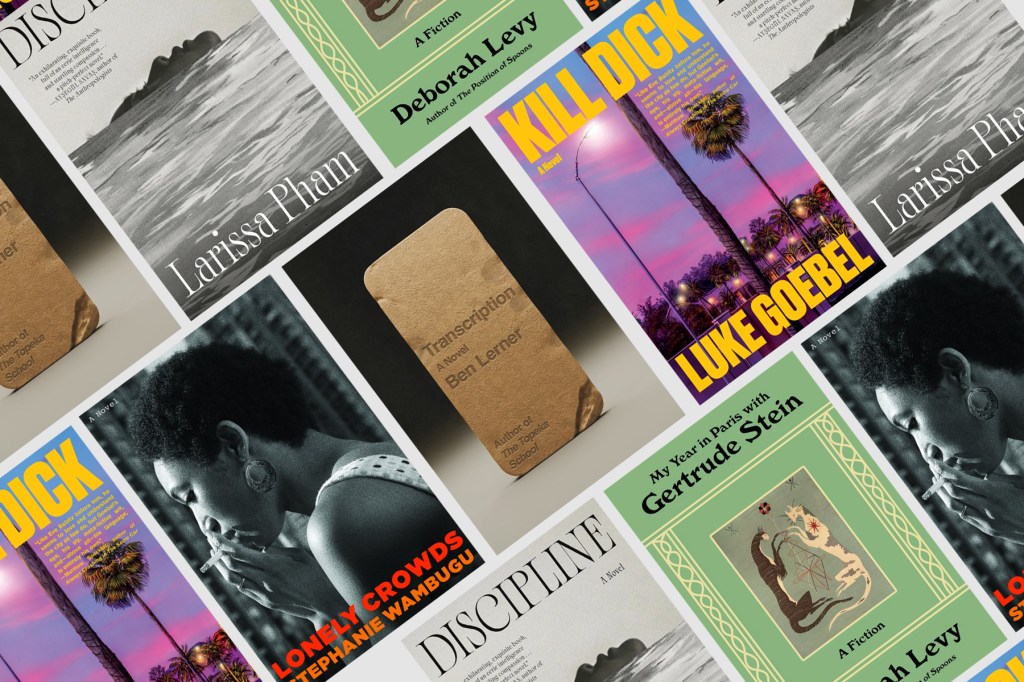
ARTnews has published a list of five art novels to read this summer, all released within the past year. The featured books include Ben Lerner's 'Transcription,' Larissa Pham's 'Discipline,' Deborah Levy's 'My Year in Paris with Gertrude Stein: A Fiction,' Stephanie Wambugu's 'Lonely Crowds,' and Luke Goebel's 'Kill Dick.' Each novel explores how art emerges through relationships—with friends, mentors, parents, lovers, and historical artists—offering a range of perspectives from anxious inner monologues to satirical critiques of the art world.

art in america new talent issue 2025 1234741754

Art in America's 2025 "New Talent" issue features 20 emerging artists chosen by the magazine's editors, including Nico Williams, Bint Mbareh, Justin Allen, Agnes Questionmark, and Brooklin A. Soumahoro. The issue also includes a postmortem on figurative painting by Barry Schwabsky, an essay on spiritual art by Eleanor Heartney, a symposium on art's purpose with seven artists, and a tribute to the late Jaune Quick-to-See Smith by Emmi Whitehorse. Other sections cover Suzanne Valadon, Hito Steyerl's book, and a debate between art fairs and biennials.

Josh Kline Misses the Mark

Critic Aruna D’Souza responds to a viral essay by artist Josh Kline regarding the extreme financial pressures of living and working in New York City. While Kline suggests that artists should abandon the city due to the affordability crisis, D’Souza argues that leaving is not a viable long-term solution and calls for a more proactive approach to systemic change within the urban art ecosystem.

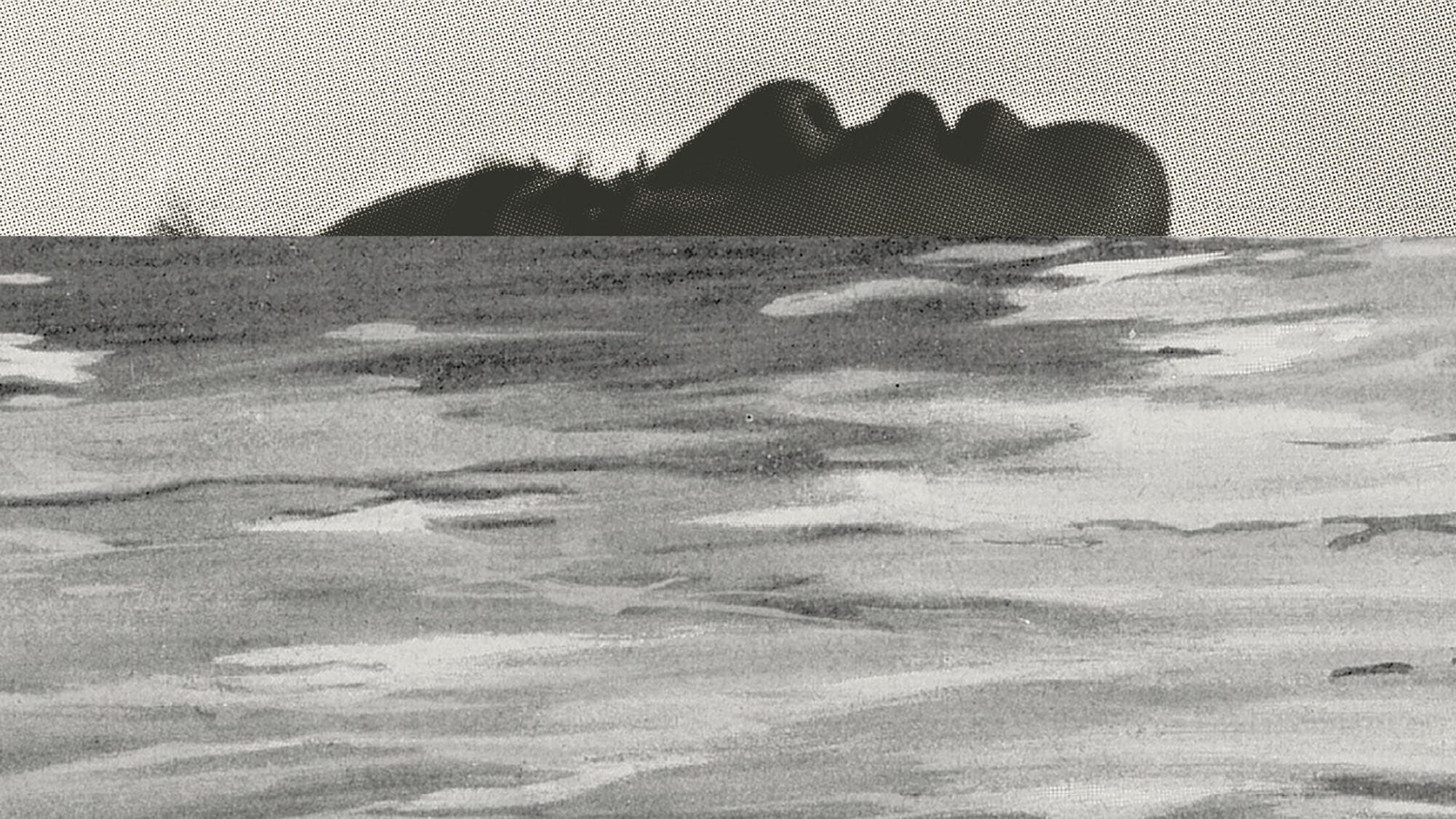
In “Discipline,” Larissa Pham Explores Predatory Art-World Mentorship

Larissa Pham’s debut novel, Discipline, follows Christina, a young writer and former painter grappling with the psychological aftermath of a formative affair with her art professor, Richard. Set against the backdrop of a book tour for her own autofictional novel, the narrative uses Christina’s observations of art—ranging from Helen Frankenthaler to Edward Hopper—to slowly peel back the layers of a relationship defined by power imbalances and predatory mentorship.