

filter_list Showing 3 results for "Laura Lupton" close Clear
dashboard All 3 article policy 3
date_range Range Today This Week This Month All
Subscribe

los angeles institutions green protocol 1234776795

A coalition of Los Angeles’s leading art institutions, including the Getty, LACMA, MOCA, and the Hammer Museum, has officially pledged to adopt the Bizot Green Protocol. This collective commitment, which also includes the gallery Hauser & Wirth, establishes climate-minded guidelines for museum operations such as widening temperature and humidity parameters for galleries and reducing air travel for loans. The move was largely catalyzed by the devastating impact of recent wildfires on the region's cultural infrastructure.
Sustainability charity Gallery Climate Coalition launches new consultancy to support climate action

The Gallery Climate Coalition (GCC), a sustainability charity founded in London in 2020, has launched a new consultancy called Climate Action Services International (Casi) to help galleries, museums, and cultural organizations turn climate commitments into measurable action. Casi offers services such as carbon auditing, decarbonisation strategies, governance advice, and staff training, and follows a pilot phase working with institutions including English Heritage, Hauser & Wirth, and Art Fund. The consultancy is structured as a mission-driven social enterprise that will reinvest 51% of its profits into GCC.

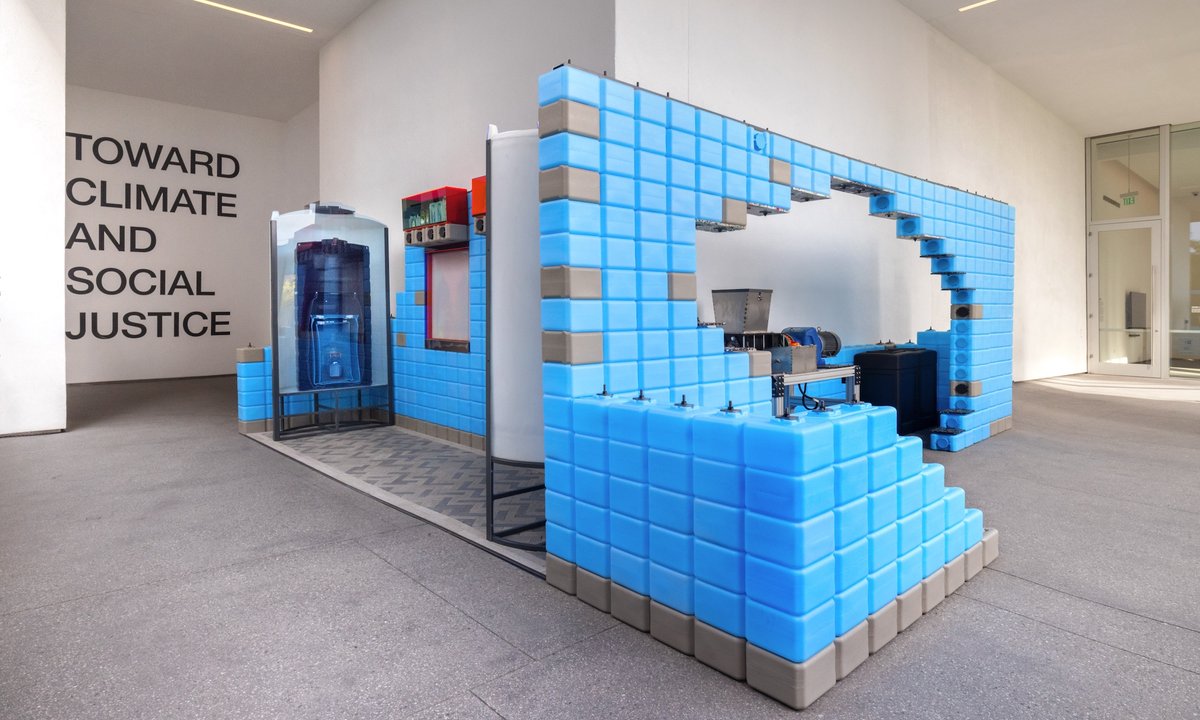
Climate report from Getty’s PST Art programme urges cultural organisations to confront exhibitions’ impacts

The Getty has released a comprehensive climate impact assessment of its PST Art initiative, titled Art & Science Collide (2024-25), based on its inaugural Climate Impact Program (CIP). Developed with climate adviser Laura Lupton and artist Debra Scacco, the program provided webinars, guidance, and networking to participating institutions, with over two-thirds completing a climate impact report. Key findings show that air travel and air freight of art are the most carbon-intensive activities, and shifting to sea freight could reduce total emissions by 18%. Many institutions reduced waste through simple, low-cost changes, with some committing to permanent sustainability practices.