
filter_list Showing 6 results for "Leo Stein" close Clear
search
dashboard All 6 museum exhibitions 5article culture 1
date_range Range Today This Week This Month All
Subscribe

Barry X Ball’s Wild Sculptures Are Perfectly at Home at Venice’s Grand Basilica of San Giorgio Maggiore

New York-based artist Barry X Ball's exhibition "The Shape of Time" has opened at the Abbey of San Giorgio Maggiore in Venice, featuring 23 sculptures centered on the elaborate silver and gold piece *Pope Saint John Paul II* (2012–24). The show, organized by curator Bob Nickas, includes many works shown publicly for the first time, such as *Pietà* (2011–22) inspired by Michelangelo and *Saint Bartholomew Flayed* (2011–20). The sculpture of John Paul II, cast in collaboration with Italian jewelry house Damiani, contains hidden references to the pope's life, including his nemeses Hitler, Stalin, and Lenin, as well as a bullet from the 1981 assassination attempt.
SFMOMA’s ‘Matisse’s Femme au chapeau: A Modern Scandal’ revisits an old controversy

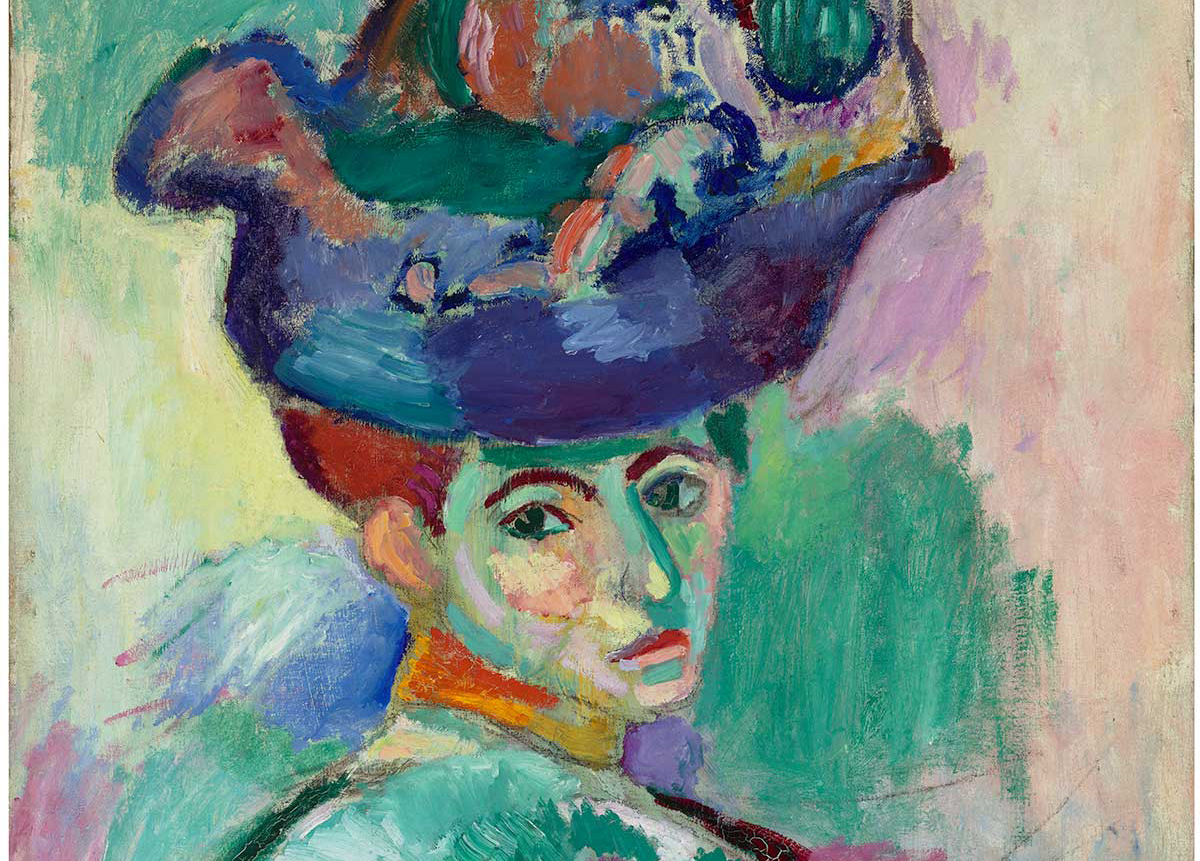
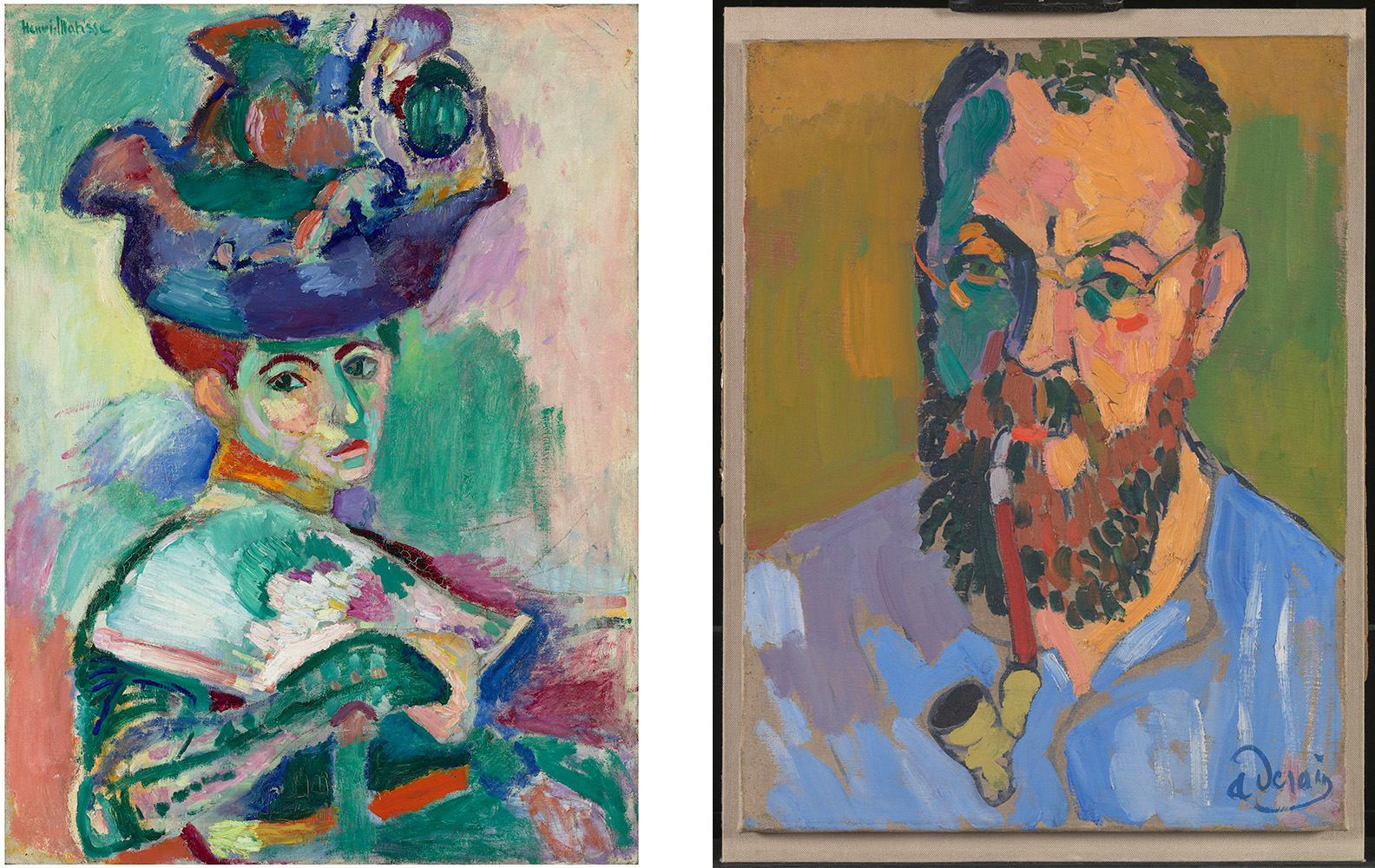
SFMOMA has opened 'Matisse’s Femme au chapeau: A Modern Scandal,' an exhibition that revisits the 1905 debut of Henri Matisse's iconic painting at the Salon d’Automne in Paris, which sparked the Fauvist movement. The show reconstructs Gallery VII of that salon, reuniting works by all ten original artists—including Matisse, André Derain, and Maurice de Vlaminck—and places the painting in dialogue with contemporary artists to trace its lasting influence. The painting, which was purchased by collectors Leo and Gertrude Stein at the 1905 salon, entered SFMOMA’s collection in 1991 as a bequest from Elise S. Haas and never travels, making this the exclusive venue for the exhibition.

An old hat gets a new show: ‘Matisse’s Femme au chapeau’ opens at SFMOMA

SFMOMA has opened "Matisse's Femme au chapeau: A Modern Scandal," a new exhibition centered on Henri Matisse's iconic 1905 painting "Femme au chapeau" (Woman with a Hat). The show recreates the atmosphere of the 1905 Salon d'Automne in Paris, where the painting first caused a scandal for its bold, fauvist colors. It reunites the work with three other Matisse paintings from that debut, alongside pieces by contemporaries like André Derain, Albert Marquet, and Jelka Rosen, and later artists inspired by the painting, such as Mickalene Thomas. The exhibition also includes a gallery dedicated to the Haas bequest, which brought the painting to SFMOMA in 1991.

laocoon vatican michelangelo forgery 2620416

On January 14, 1506, Florentine architect Giuliano da Sangallo and Michelangelo Buonarroti witnessed the excavation of the Laocoön Group, a monumental ancient marble statue unearthed in a Roman vineyard. The sculpture, depicting the Trojan priest Laocoön and his sons battling serpents, was quickly acquired by Pope Julius II and installed in the Vatican, where it remains today at the Museo Pio-Clementino. However, art historian Lynn Catterson controversially proposed in 2005 that the statue is not an ancient artifact but a forgery created by Michelangelo himself, citing evidence such as a drawing of a torso resembling the statue's back, bank records of Michelangelo's marble purchases, and his history of producing forgeries like the lost Sleeping Cupid.

“Berthe Weill, Art Dealer of the Parisian Avant-garde” in Montreal

The Montreal Museum of Fine Arts (MMFA) has opened a major exhibition titled "Berthe Weill, Art Dealer of the Parisian Avant-garde," showcasing over 100 works that Weill exhibited in her Paris galleries between 1901 and 1940. The show highlights her role in launching the careers of artists such as Picasso, Matisse, Modigliani, and Suzanne Valadon, and includes paintings, drawings, sculptures, and archival materials. Weill, born to a poor Jewish family, opened her first gallery at age 36 using her mother's dowry, never charged for exhibitions, and often sold her own possessions to keep her spaces afloat. Despite her immense contributions, she died in poverty and has been largely omitted from art history.

Michael Asher at Artists Space review

Artists Space in New York is hosting a posthumous survey of Michael Asher, the influential conceptual artist who died in 2012. Curated by Jay Sanders and Stella Cilman, the exhibition focuses not on Asher's well-known site-specific interventions—which by their nature cannot be recreated—but on the material residues they left behind: magazines, advertisements, radio works, postcards, T-shirts, and other ephemera. A key artifact is a copy of Tom Marioni's 1975 magazine *Vision*, in which Asher glued two facing pages together, effectively making himself disappear between contributions by Doug Wheeler and Bruce Nauman. The show spans forty-five years of projects, presenting these objects as physical remainders of Asher's practice.