
filter_list Showing 3 results for "Lorenzo de' Medici" close Clear
search
dashboard All 3 article culture 1museum exhibitions 1trending_up market 1
date_range Range Today This Week This Month All
Subscribe

art bites michelangelo military fortifications

Michelangelo, best known for masterpieces like the Sistine Chapel ceiling and the Pietà, also served as the governor and procurator general of fortifications for Florence in 1529, tasked with designing military defenses against the Medici family. After the Medici were expelled in 1527, Michelangelo joined the "Nine of the Militia" committee, but his overly complex drawings were so impractical that almost none were built. The Medici, backed by Pope Clement VII, successfully besieged Florence in 1529–30, forcing Michelangelo into hiding in a secret chamber beneath the Medici Chapel, where he drew figurative works rediscovered in 1975. He was eventually pardoned and went on to create major commissions like the tomb of Pope Julius II and The Last Judgement, but left Florence for Rome in 1534.

Michael Jackson Accessories Hit the Market Amid Biopic Buzz

GWS Auctions is offering nine pieces of Michael Jackson memorabilia in a May 2 sale, including a signed pair of the late singer's Florsheim loafers. The auction features 734 items from the collection of Prince Lorenzo de' Medici, with highlights such as a crystal-studded white glove from Jackson's 1984 Victory tour and Swarovski-embellished socks from his Dangerous tour. The loafers, authenticated by Jackson's assistant Rosemary Chavira, carry a starting bid of $7,500, and the sale coincides with the record-breaking opening weekend of a new Michael Jackson biopic.

Rowan University’s Museum of Contemporary Art hosts final exhibition focusing on black resilience

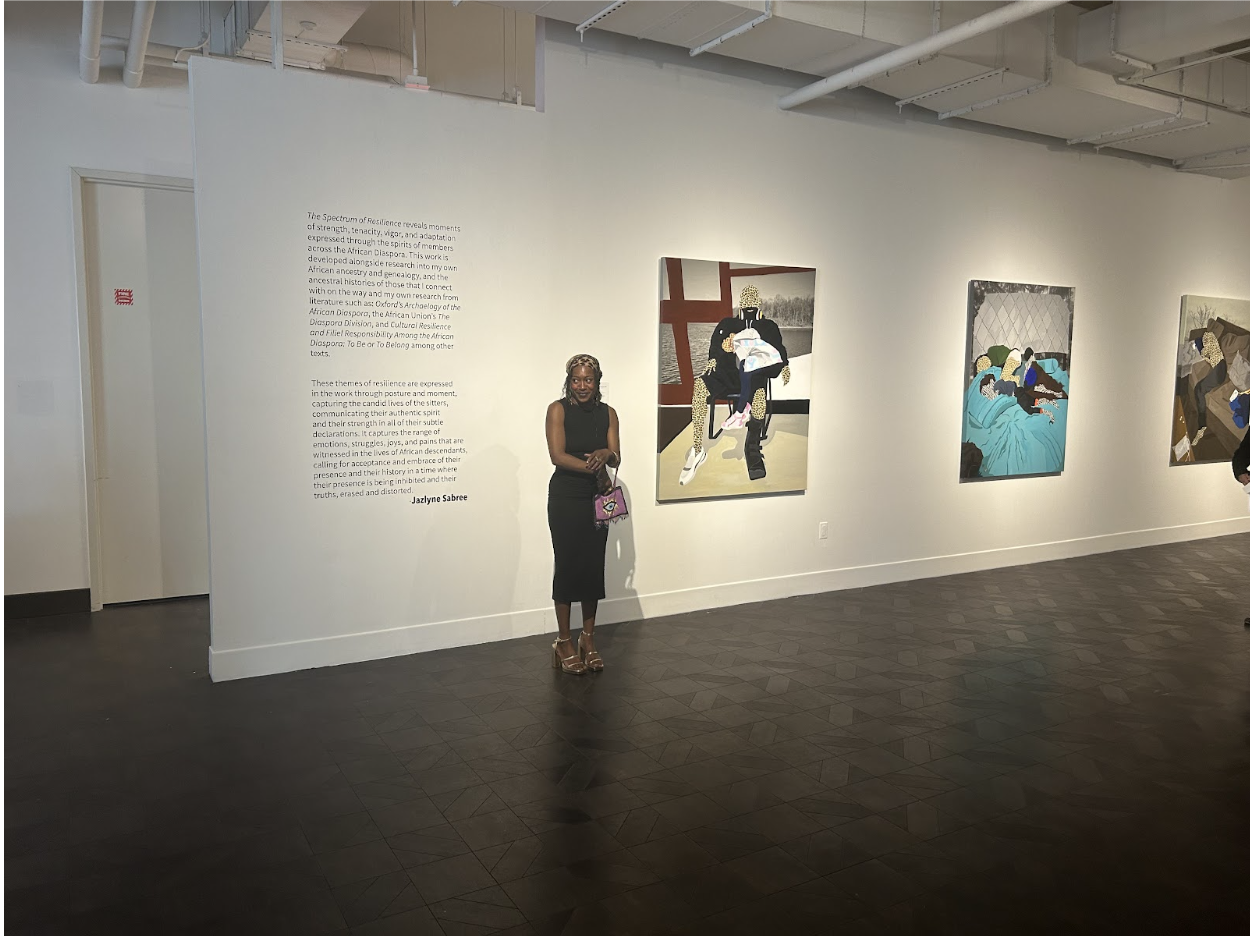
The Rowan University Museum of Contemporary Art is hosting "The Spectrum of Resilience," a solo exhibition by New Jersey-based artist and educator Jazlyne Sabree. The showcase features works that explore the tenacity and authenticity of the African Diaspora, drawing from Sabree’s extensive research and residencies in West Africa, Brazil, and Liberia. The exhibition highlights everyday moments—such as washing hair or embracing children—elevating them into profound artistic statements on ancestral lineage and survival.