filter_list Showing 4 results for "Lucy Lippard" close Clear
dashboard All 4 rate_review review 2museum exhibitions 1trending_up market 1
date_range Range Today This Week This Month All
Subscribe

Artist Foundations’ Net Worth Has Nearly Tripled to $9 B., Led by Cy Twombly Foundation’s $1.5 B. in Art and Assets

New research from the Aspen Institute’s Artist-Endowed Foundation Initiative (AEFI) reveals that artist-endowed foundations in the U.S. now control roughly $9 billion in assets, nearly triple the $3.5 billion reported in 2011 and up 17% from $7.7 billion in 2018. The Cy Twombly Foundation leads with $1.5 billion in art and assets, followed by foundations for Alexander Calder, Joan Mitchell, Helen Frankenthaler, and Robert Rauschenberg, each holding over $500 million. The data, drawn from public tax forms, shows that just five of roughly 500 foundations account for more than half the total, with most established by postwar American artists born before 1931.
parties printed matter 50th anniversary

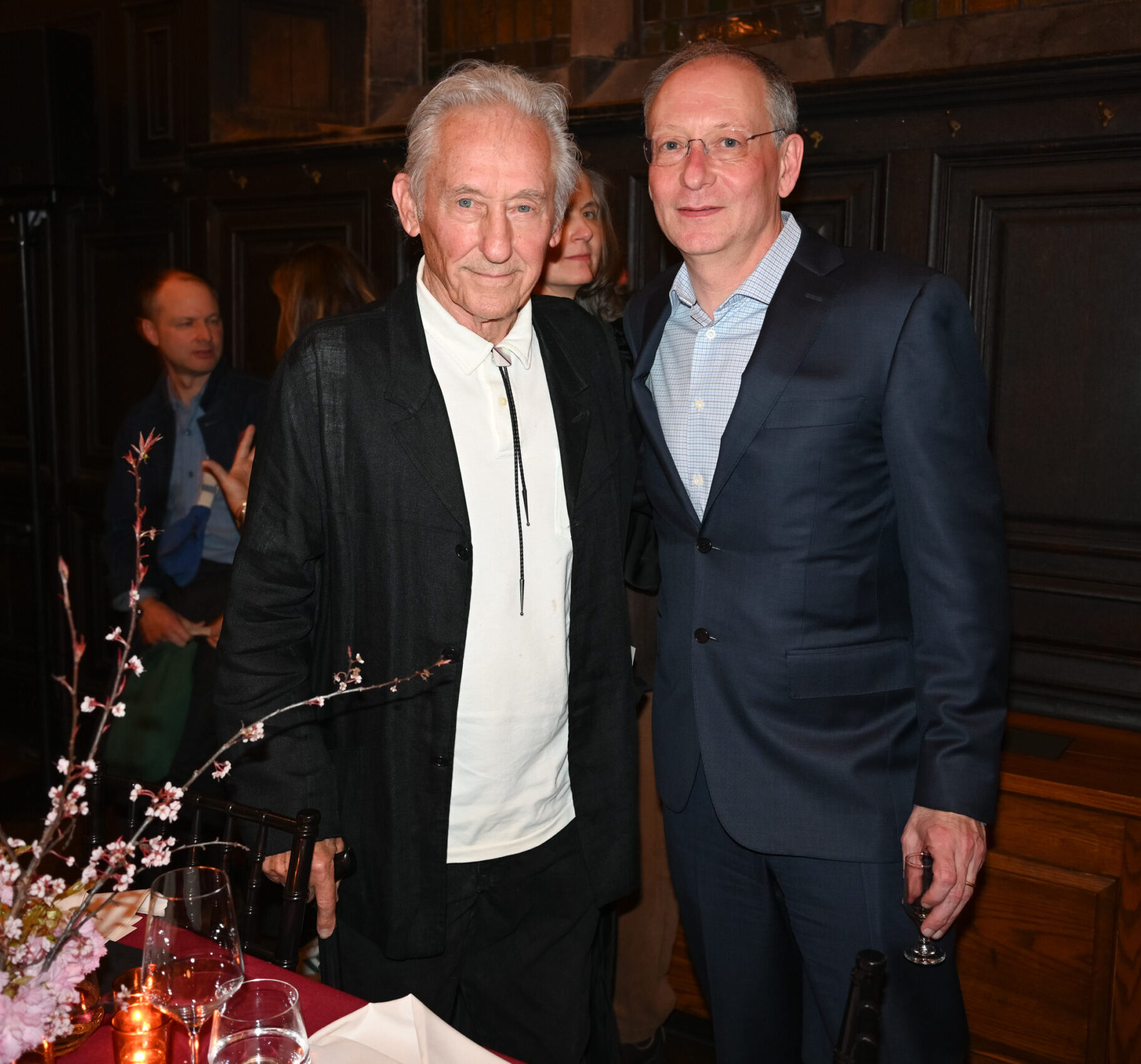
Printed Matter, the nonprofit artists' bookstore and publisher, celebrated its 50th anniversary with a gala at the High Line Hotel in New York. The event featured speeches honoring co-founder Pat Steir and artist Ed Ruscha, performances from the opera *Einstein on the Beach*, and a crowd of notable artists, museum directors, and gallerists including Joan Jonas, Glenn Ligon, MoMA Director Christophe Cherix, and Larry Gagosian. Founded in 1976 by Sol LeWitt, Pat Steir, and Lucy Lippard, Printed Matter has become a vital platform for artist books, operating a bookstore, exhibition space, and one of the world's largest book fairs.

The Making of a Maintenance Artist

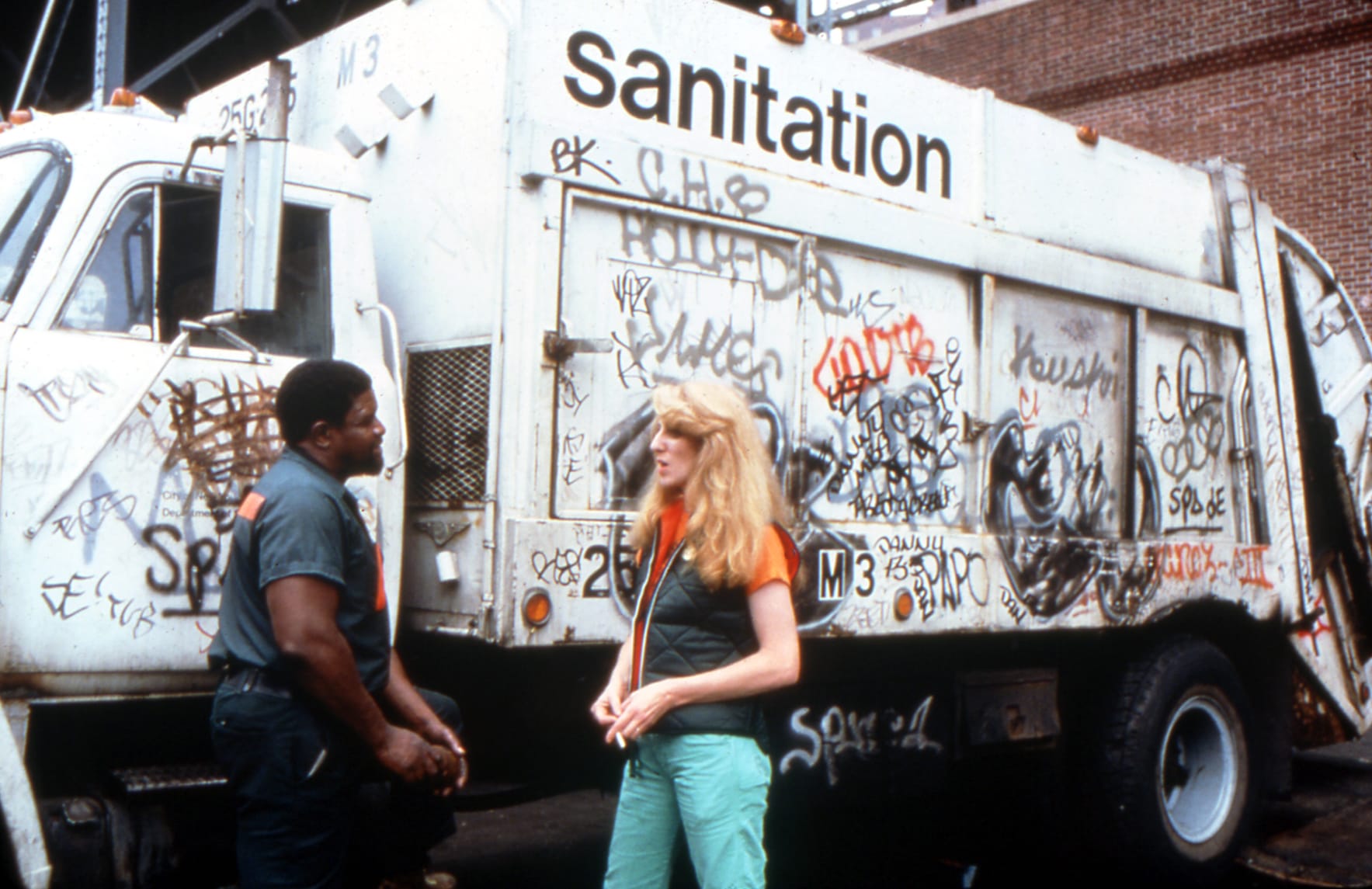
A new documentary titled "Maintenance Artist" (2025) traces the decades-long practice of Mierle Laderman Ukeles, a pioneering artist who focused on marginal, unpaid, and feminine labor. The film covers her career from her 1969 "CARE" manifesto, through her role as artist-in-residence at the New York City Department of Sanitation, to her first retrospective at the Queens Museum in 2017. It highlights her critique of art-world gender biases and her efforts to recognize discounted labor in all fields.

The Politics of In-action: Review of In-action: Viennese Actionism and the Passivities of Performance Art

Caroline Lillian Schopp's new book *In-action: Viennese Actionism and the Passivities of Performance Art* (2025) offers a revisionist history of Viennese Actionism, a movement retroactively named in 1970 by Peter Weibel and Valie Export. Schopp introduces the term "in-action" to describe a politics of artistic action that emphasizes intimacy, hesitation, and vulnerability rather than the violent or liberatory extremes typically associated with the movement. She expands the canon to include women artists such as Anna Brus, Hanel Koeck, and Ingrid Wiener, and reexamines the work of Rudolf Schwarzkogler, whose death was mythologized as a suicide by self-castration but was actually a fall from a window. Through close readings of photographs, Schopp argues that Schwarzkogler's performances were characterized by passivity and "in-sincerity," challenging the dominant narrative of actionism as aggressive or heroic.