
filter_list Showing 3 results for "May 1968" close Clear
dashboard All 3 article culture 1person people 1museum exhibitions 1
date_range Range Today This Week This Month All
Subscribe

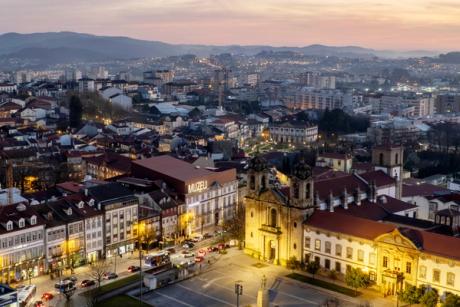
'The museum is not a space for the elite': Portuguese building firm’s new museum puts workers first

A new museum called Muzeu—Thought and Contemporary Art DST has opened in Braga, northern Portugal, housed in a former courthouse and built by the DST Group, a Portuguese industrial conglomerate. The inaugural exhibition, titled "Let Us Be Realistic, Let Us Demand the Impossible," features over 100 works by 96 artists including Alex Katz, Francesco Clemente, Franz West, and Nan Goldin. The museum prioritizes workers, opening first exclusively for company employees on 24 April, then to the public on Freedom Day (25 April), with free admission for the first week and closure on International Workers' Day (1 May).
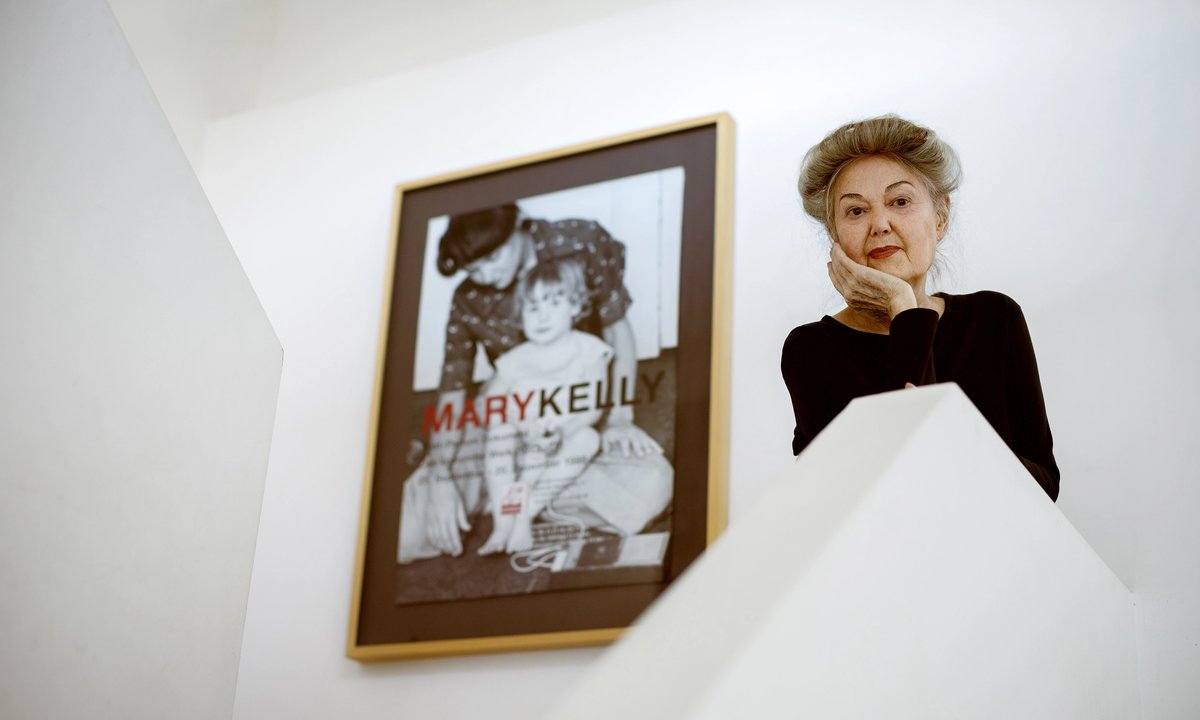
A brush with… Mary Kelly—podcast

This podcast episode features an in-depth conversation with pioneering conceptual and feminist artist Mary Kelly, now 84 and based in Los Angeles. She reflects on her groundbreaking works such as *Post-Partum Document* (1973-77) and *Interim* (1984-89), her move to Beirut in the 1960s, the influence of May 1968, and her lifelong commitment to non-figurative art after encountering Franz Kline's work at age 15. The episode also covers her current exhibition *We don't want to set the world on fire* at Pippy Houldsworth Gallery in London, running until January 2026.

Experimental Funding Schemes and Militant Analysis: The Experience of CERFI

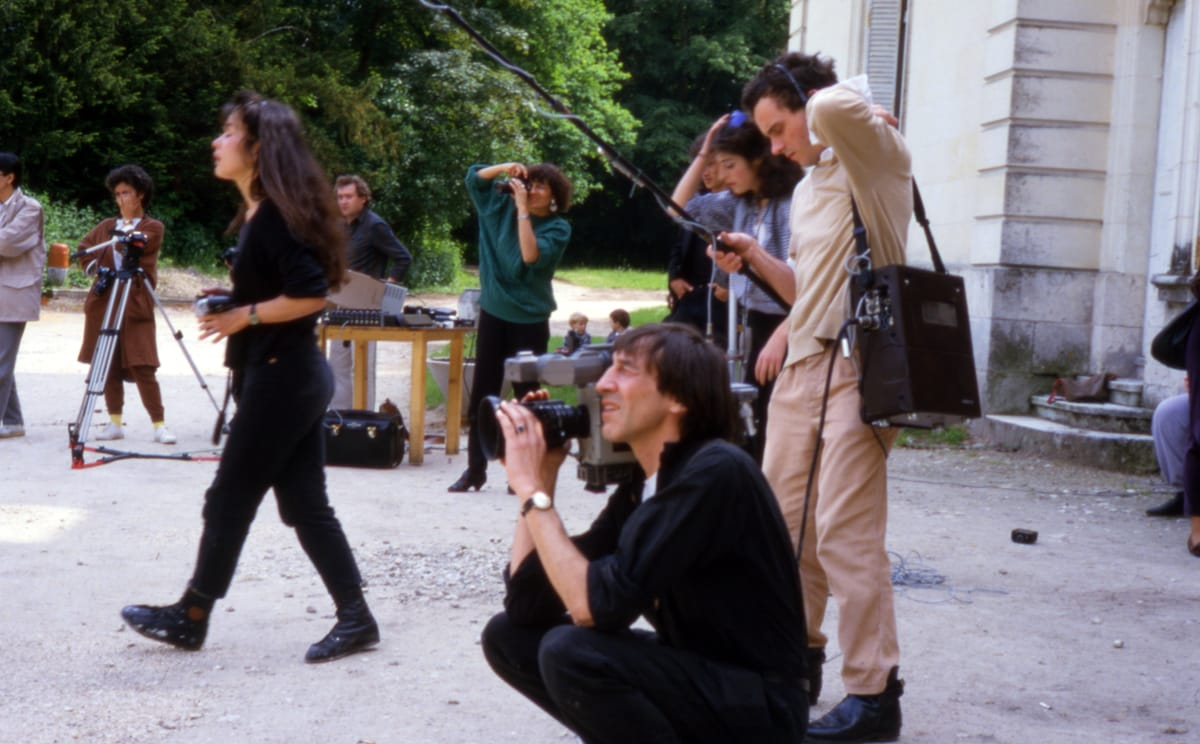
The Center for Institutional Studies, Research, and Training (CERFI), a research cooperative co-founded by Félix Guattari in the wake of May 1968, sought to merge militant political practice with institutional psychotherapy. By adopting a model of 'analytical self-management,' the group utilized rotational roles and collective research to avoid the hierarchies and alienation typical of traditional academic and political organizations. This experimental structure was heavily influenced by the 'grid' system used at the La Borde psychiatric clinic, aiming to turn administrative labor into a tool for subjective liberation.