
filter_list Showing 2 results for "Mediterranean Biennale in Haifa" close Clear
search
dashboard All 2 article news 2
date_range Range Today This Week This Month All
Subscribe

israel pavilion venice biennale belu simion fainaru protest

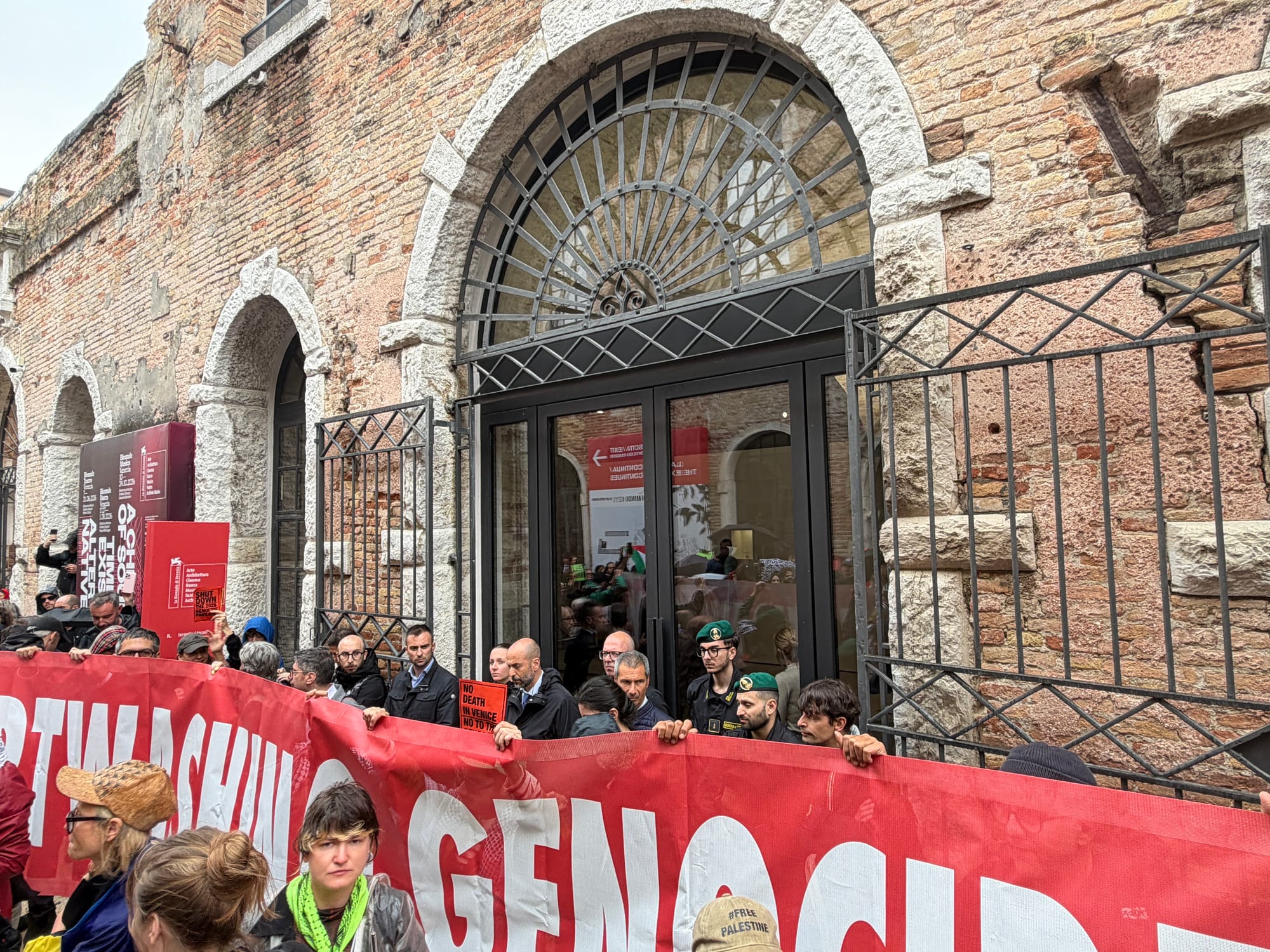
Israel will officially participate in the 2026 Venice Biennale, two years after its pavilion closed amid protests. The pavilion will be located in the Arsenale rather than its usual Giardini site, which is under construction. Representing Israel is sculptor Belu-Simion Fainaru, a Haifa-based artist and Israel Prize winner, who previously represented Romania at the 2019 Biennale. His pavilion, titled "Rose of Nothingness," will feature an installation about water inspired by poet Paul Celan's concept of black milk, with 16 pipes dripping black water into a pool. The pavilion is curated by Sorin Heller and Avital Bar-Shay. However, the Art Not Genocide Alliance (ANGA) has renewed its protest, calling the pavilion the "Genocide Pavilion" on Instagram and demanding Israel's exclusion from the Biennale.
Israeli Pavilion Artist Made Legal Threats Before Venice Biennale Jury Resigned

New reports reveal that Israeli Pavilion artist Belu-Simion Fainaru issued legal threats against the Venice Biennale, alleging antisemitism and discrimination after the awards jury decided to exclude Israel and Russia from consideration due to human rights charges. The jury, which included Elvira Dyangani Ose, Zoe Butt, Marta Kuzma, Giovanna Zapperi, and Solange Farkas, initially stated on April 22 it would not consider nations whose leaders are charged with crimes against humanity by the International Criminal Court. Fainaru filed legal warnings with the Biennale, the Italian Ministry of Culture, and the Prime Minister's office. The jury abruptly resigned eight days later, leading the Biennale to scrap the Golden Lion awards and institute "Visitor Lions" decided by public vote. Reports indicate the Biennale's legal department warned jurors could be personally liable for damages, and Italian Culture Minister Alessandro Giuli promised to promote Fainaru's work.