filter_list Showing 5 results for "Mohamed El Khatib" close Clear
search
dashboard All 5 museum exhibitions 4article policy 1
date_range Range Today This Week This Month All
Subscribe

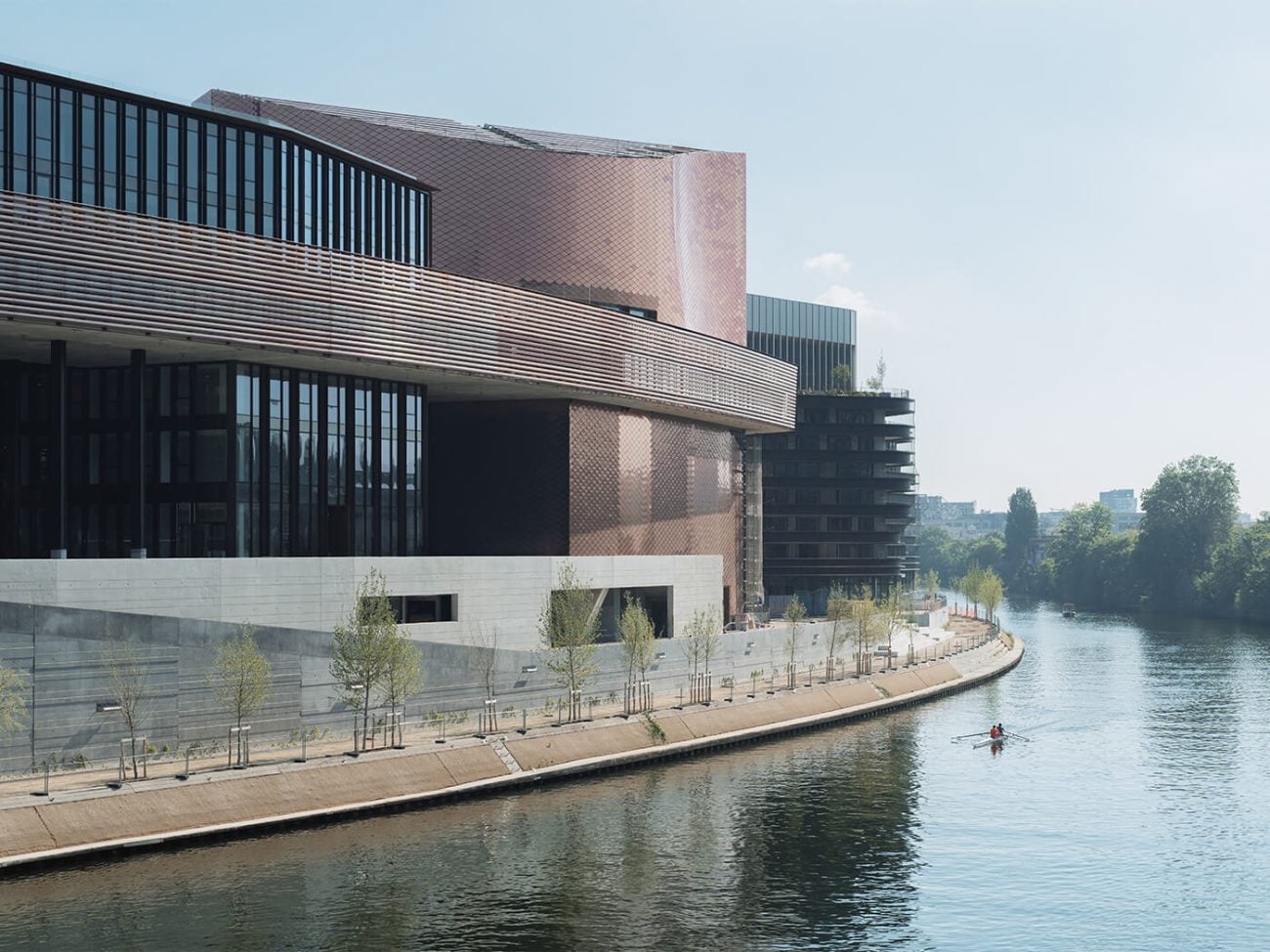
On Île Seguin, the new art center Large unveils its spectacular building and a first exhibition focused on Renault's history

Sur l’île Seguin, le nouveau centre d’art Large dévoile son bâtiment spectaculaire et une première expo tournée vers l’histoire de Renault

On Île Seguin, the new contemporary art center Large unveiled its spectacular building designed by Catalan firm RCR Arquitectes during a press preview on May 21. The center, backed by real estate developer Emerige and its president Laurent Dumas, will open to the public on October 17. Its inaugural exhibition, curated by Cecilia Alemani, explores the history of the automobile and the island's industrial past as the site of Renault factories from 1929 to 1992, featuring works by 55 contemporary artists including Julio Le Parc, Nina Beier, Thomas Bayrle, Mohamed El Khatib, and Giulia Andreani.
À Marseille, la nouvelle saison culturelle Méditerranée s’ouvre avec deux semaines de festivités

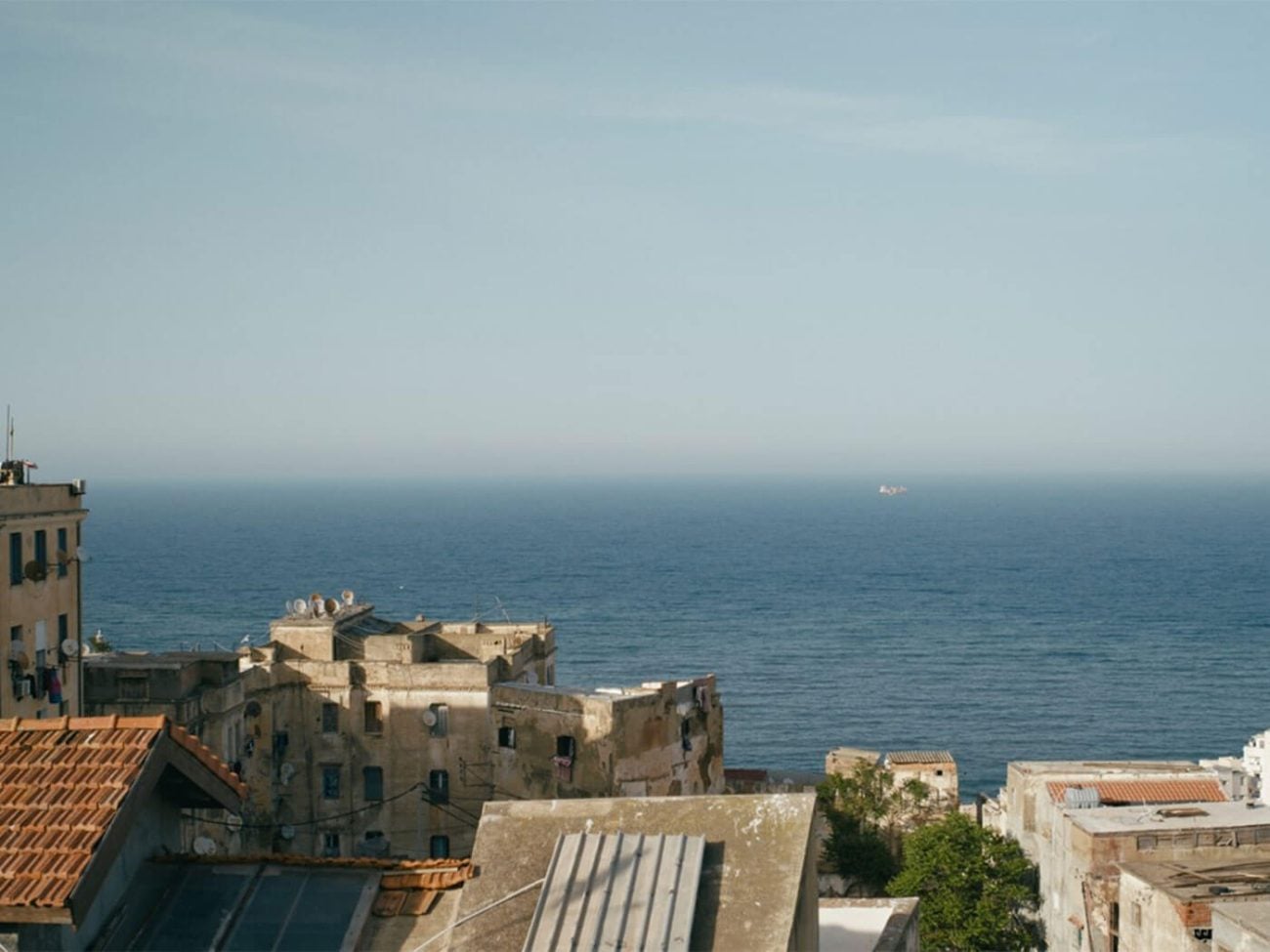
France's new cultural season, "Saison Méditerranée," launches on May 15, 2026, in Marseille with two weeks of festivities running through May 24. Organized by the Institut français and announced by President Emmanuel Macron in 2023, it is the first season to focus on an entire region—the Mediterranean and its 21 bordering countries—rather than a single nation. The program includes exhibitions at venues like the [mac], the Vieille Charité, and the Friche la Belle de Mai, featuring artists such as Louisa Babari, Adrien Vescovi, Zineb Sedira, Mona Benyamin, and Abdessamad El Montassir. Highlights also include the inauguration of the transformed Citadelle de Marseille with works by Saber Zammouri and Hugo Mir-Valette, a performance by Mohamed El Khatib at the Mucem, and a concert by Sofiane Saidi and Camélia Jordana. The season continues across France until October, with a major project by Mohamed Bourouissa at the Grand Palais in Paris.

"Bertille Bak: Voices from the Earth" exhibition at the Vincenzo Vela Museum

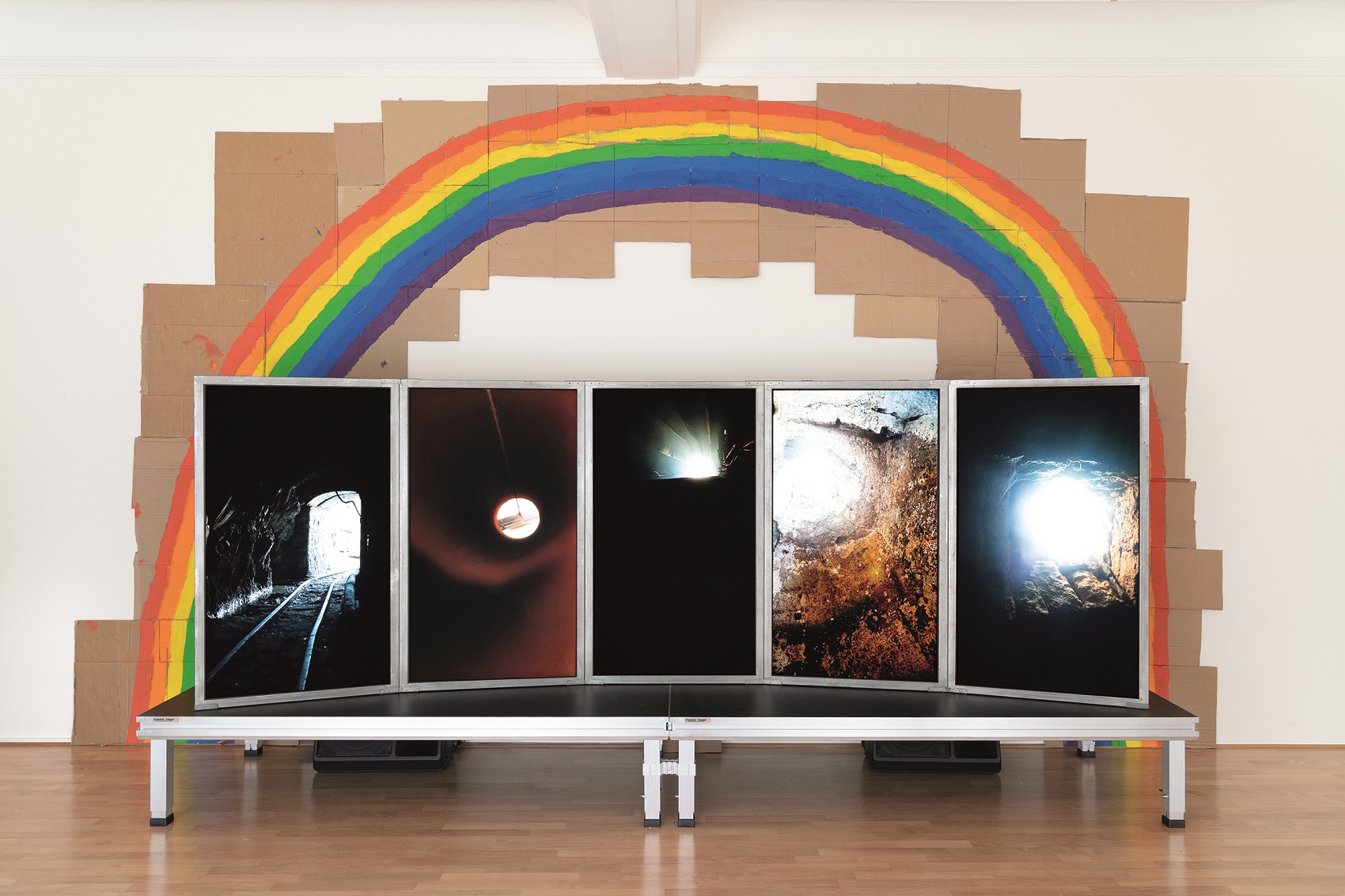
From 26 April 2026 to 10 January 2027, the Vincenzo Vela Museum in Ligornetto, Switzerland, presents "Bertille Bak: Voices from the Earth," the first major solo exhibition in Switzerland of French artist Bertille Bak. The show brings together works from the past fifteen years that combine cinema, visual arts, and field research, focusing on marginalized communities and themes of labor, identity, and resistance. Bak, born in Arras in 1983, creates video installations and narrative devices through long immersions in communities, with her work held in collections such as the Centre Pompidou and the Collection François Pinault.

'The idea is to breathe new life into the space': Didier Fusillier, the president of the newly reopened Grand Palais, on his vision for the Parisian institution

Didier Fusillier, president of the newly reopened Grand Palais in Paris, outlines his vision for the historic venue in an interview. The reopening is marked by 'Grand Palais d’été,' a diverse program in partnership with the Centre Pompidou that includes talks, performances under the 'Fun Palace' banner, exhibitions of Niki de Saint Phalle, Jean Tinguely, Pontus Hultén, Bruno Decharme’s Art Brut collection, contemporary tapestries, and 'Euphoria. Art is in the air.' Fusillier emphasizes a collaborative, eclectic approach, with free public access to new spaces and sponsorship from Chanel.

Victorien Bornéat : « De l’échec de la démocratisation culturelle est né un sentiment d’exclusion »

Victorien Bornéat has published a manifesto arguing that French cultural democratization policy, rooted in André Malraux's vision of making masterworks accessible to all, has failed. He cites budget cuts by regional presidents Laurent Wauquiez and Christelle Morançais, police raids on bookshops like Violette and Co, and statistical studies showing that working-class audiences still do not spontaneously attend theaters, museums, or opera. Bornéat contends that the policy's emphasis on direct confrontation with canonical works ignored the need for cultural codes and institutional literacy, creating an exclusion that politicians now exploit for electoral gain.