
filter_list Showing 11 results for "Musées de France" close Clear
search
dashboard All 11 article policy 4article culture 2museum exhibitions 2article news 2person people 1
date_range Range Today This Week This Month All
Subscribe

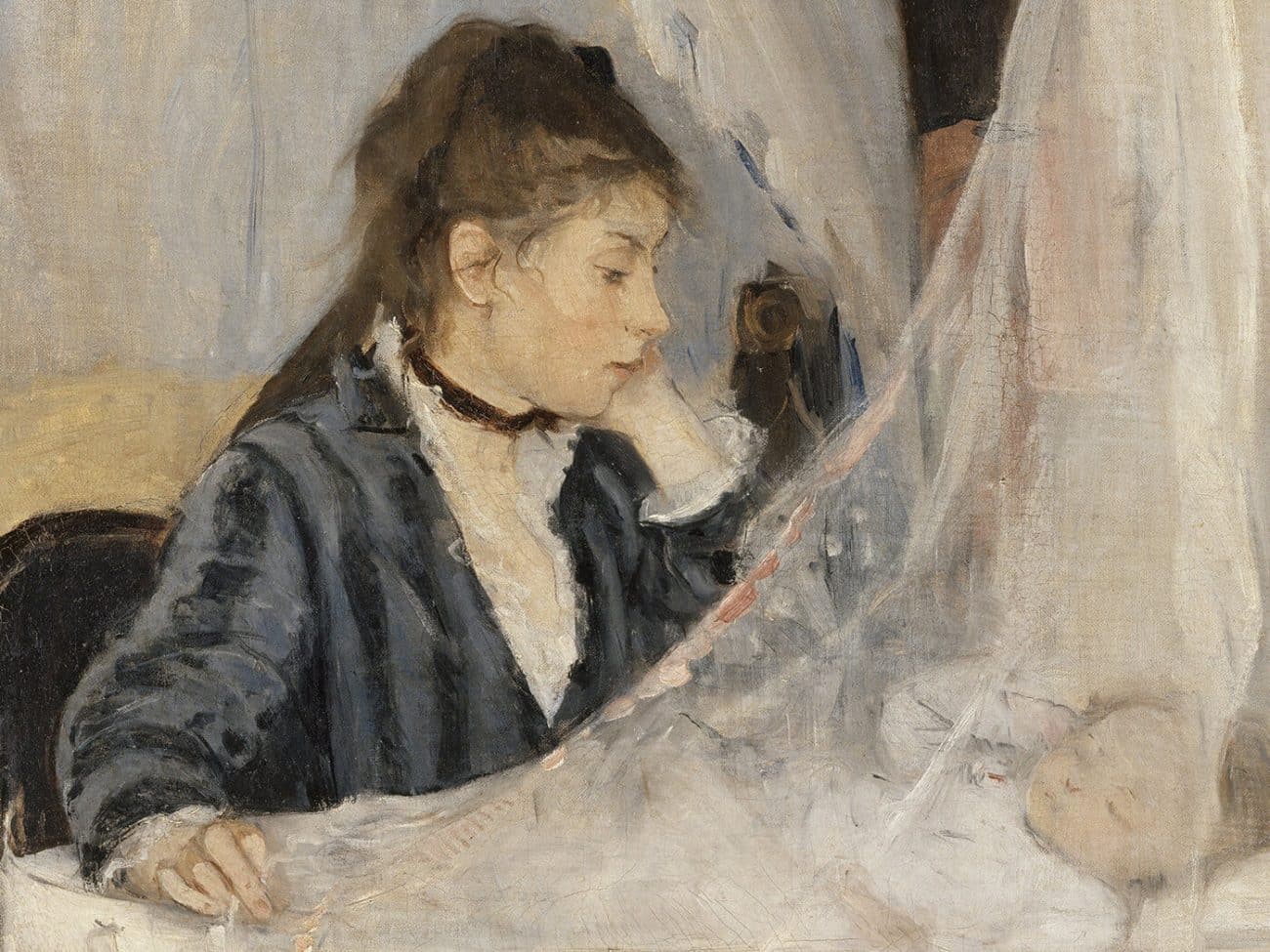
10 chefs-d’œuvre de l’impressionnisme décryptés par Beaux Arts

Beaux Arts Magazine presents a detailed dossier analyzing ten iconic masterpieces of Impressionism, including works by Edgar Degas, Édouard Manet, Berthe Morisot, Auguste Renoir, Gustave Caillebotte, Claude Monet, and Mary Cassatt. The article explores the technical innovations, modern subjects, and revolutionary spirit of the movement, which began in 1874 and was initially rejected by critics. Each featured painting—such as *Le Déjeuner sur l’herbe*, *Impression, soleil levant*, and *Le Bal du moulin de la Galette*—is examined by art historians and journalists to reveal its composition, historical context, and lasting impact.

louvre to restore empress eugenie crown

The Louvre Museum in Paris will restore Empress Eugénie's crown, which was severely damaged during a $102 million heist on October 19, 2025. Thieves broke into the museum, used an angle grinder to cut through a display case, and stole crown jewels, but dropped the crown in their escape. The lightweight, diamond-and-emerald crown was deformed, with four of its eight decorative palmettes broken off and one gold eagle missing. However, all 65 emeralds and most of the 1,354 diamonds remain intact. The museum has opened a bidding process for an accredited restorer, overseen by an expert committee chaired by Louvre director Laurence des Cars, to reshape and fully restore the piece for display in the Galerie d'Apollon.

Au Louvre, l’ambitieuse restauration du cycle de Marie de Médicis

The Louvre Museum in Paris is undertaking an ambitious restoration of Peter Paul Rubens's monumental cycle of 24 paintings depicting the life of Marie de Médicis. The project, which will take four years and cost €4 million funded by the Société des Amis du Louvre, begins this autumn with the paintings being restored in situ in the Médicis Gallery. The gallery will close in May to prepare the space as a restoration workshop, where two teams of 10–15 restorers will work simultaneously on cleaning, relining, and filling gaps. The last major restoration of the cycle dates to the 1950s, and recent diagnostics revealed yellowed varnish, discordant repaints, and flaking paint layers that risk irreversible loss.

American Rousseaus Return to Paris

Les Rousseau américains de retour à Paris

The Musée de l’Orangerie in Paris is hosting a landmark exhibition titled "Henri Rousseau, l’ambition de la peinture," featuring 50 works by the self-taught master. The show is distinguished by a historic loan from the Barnes Foundation in Philadelphia, which has sent nine paintings to France for the first time since they were acquired a century ago by Albert Barnes. A highlight of the exhibition is the rare gathering of three "manifesto paintings"—The Sleeping Gypsy, Unpleasant Surprise, and The Snake Charmer—displayed together in a dedicated gallery.

illuminated medieval manuscripts to know

This article explores the history and significance of illuminated manuscripts, correcting the common misconception that they were exclusively produced by medieval European monks. It highlights five standout examples, including the Très Riches Heures du Duc de Berry, made for Jean I, Duke of Berry around 1411 by the Limbourg brothers, and the Book of Kells, created around 800 C.E. by monks of Iona Abbey. The article notes that illuminated manuscripts, defined by the decorative use of gold or silver, date back to the 4th century B.C.E. and span cultures from the Middle East to Africa and Mesoamerica, serving primarily as status symbols rather than reading material.

How the State Supports Provenance Research

Comment l’État soutient la recherche de provenance

The French Ministry of Culture has created two specialized missions to assist museums in researching the provenance of their collections, addressing looted artworks, human remains, colonial acquisitions, and illicit trafficking. The Mission for Research and Restitution of Looted Cultural Property (M2RS), established in 2019, focuses on Nazi-era spoliations (1933-1945) with a budget of €220,000 annually, while the newer Mission "Provenance," launched in 2024 under curator Catherine Chevillot, covers human remains, colonial-era objects, and illicit goods with a €450,000 budget. These missions provide expertise, funding, and coordination with institutions like the Commission for the Restitution of Property and Compensation of Victims of Anti-Semitic Spoliation (CIVS), though most museums still only initiate provenance checks during acquisitions or donations.

Maximilien Durand reconduit au Louvre

Maximilien Durand, aged 50, has been reappointed for a three-year term as head of the Department of Byzantine and Eastern Christian Arts at the Louvre Museum in Paris. He has been preparing the department's opening since 2022. Durand previously served as director of the Musée des Tissus in Lyon and deputy director of collections at Paris Musées. His role includes overseeing collections, acquisitions, loans, and exhibitions, as well as a national expertise mission. Separately, Sophie Jugie moved to the Musées de France service after her non-renewal as head of the Sculptures department.

‘La Musée’: The history and challenges behind a landmark acquisition of works by women artists

The Museums of Poitiers in France have officially acquired 'La Musée,' a landmark collection of 523 works by women artists spanning the 17th to the 21st centuries. Assembled by artist and historian Eugénie Dubreuil since 1999, the collection includes paintings, sculptures, and decorative arts intended as a 'counterproposal' to the male-dominated art historical canon. The acquisition was finalized in March 2024 following a rigorous two-year review process and was accompanied by a €150,000 grant from the Les Beaux Yeux endowment fund to support a five-year project dedicated to women artists.

La loi sur les restitutions des biens culturels pillés pendant la colonisation définitivement adoptée

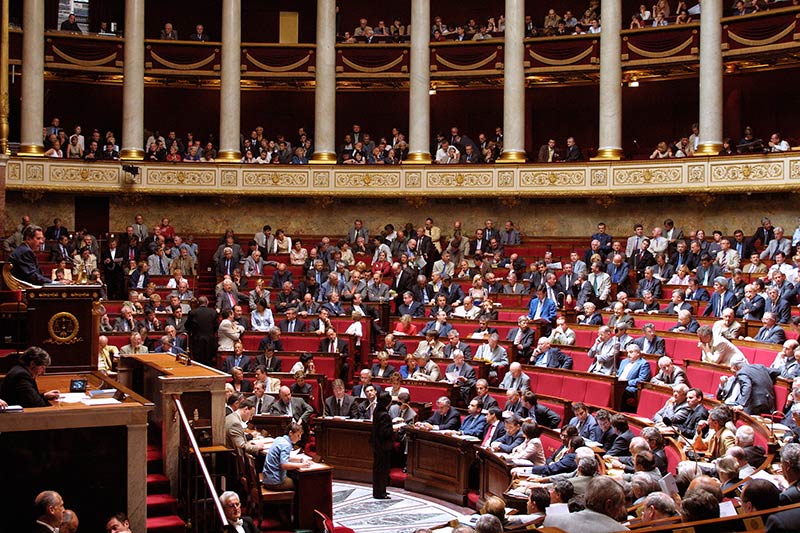
The French Parliament has definitively adopted a permanent law on the restitution of cultural property looted during colonization, replacing the previous case-by-case legislative approach. The Senate unanimously approved the final text on May 7, 2026, following agreement in a joint committee on April 30, and the National Assembly had approved it the day before. The law creates a general derogation from the principle of inalienability of public collections, establishing a bilateral scientific committee to examine provenance, with final decisions made by decree of the Council of State. Key amendments from the National Assembly—including binding parliamentary votes on restitution and conditions on conservation and public access—were removed by the joint committee to avoid perceptions of neocolonial tutelage.

La loi-cadre sur les restitutions définitivement adoptée par le Parlement

The French Parliament has definitively adopted a framework law on the restitution of cultural property that was illicitly acquired. The Senate unanimously approved the conclusions of the joint committee on May 7, following the National Assembly's approval on May 6, after an agreement was reached on April 30. The law establishes a general mechanism for returning objects from French public collections without requiring a specific law for each case, covering items acquired through looting, theft, forced sale, or other illicit means before the 1970 UNESCO Convention. It creates a permanent national commission and a bilateral scientific committee to assess claims, with restitution ultimately decided by government decree subject to legal review by the Council of State.

The Nicéphore-Niépce Museum is Standing Still

Le Musée Nicéphore-Niépce fait du surplace

The Musée Nicéphore-Niépce in Chalon-sur-Saône remains in a state of stagnation as long-promised modernization plans continue to stall. Despite over twenty-five years of proposals for a new facility or a "Cité de l'image," the project has become a political "sea serpent," hampered by budget cuts, staff reductions, and shifting municipal priorities. Most recently, the city declined to renew the contract of Fannie Escoulen, a former Ministry of Culture official hired to steer the project, further signaling a lack of progress.