
filter_list Showing 6 results for "Musées de France" close Clear
search
dashboard All 6 article policy 3article culture 1museum exhibitions 1person people 1
date_range Range Today This Week This Month All
Subscribe

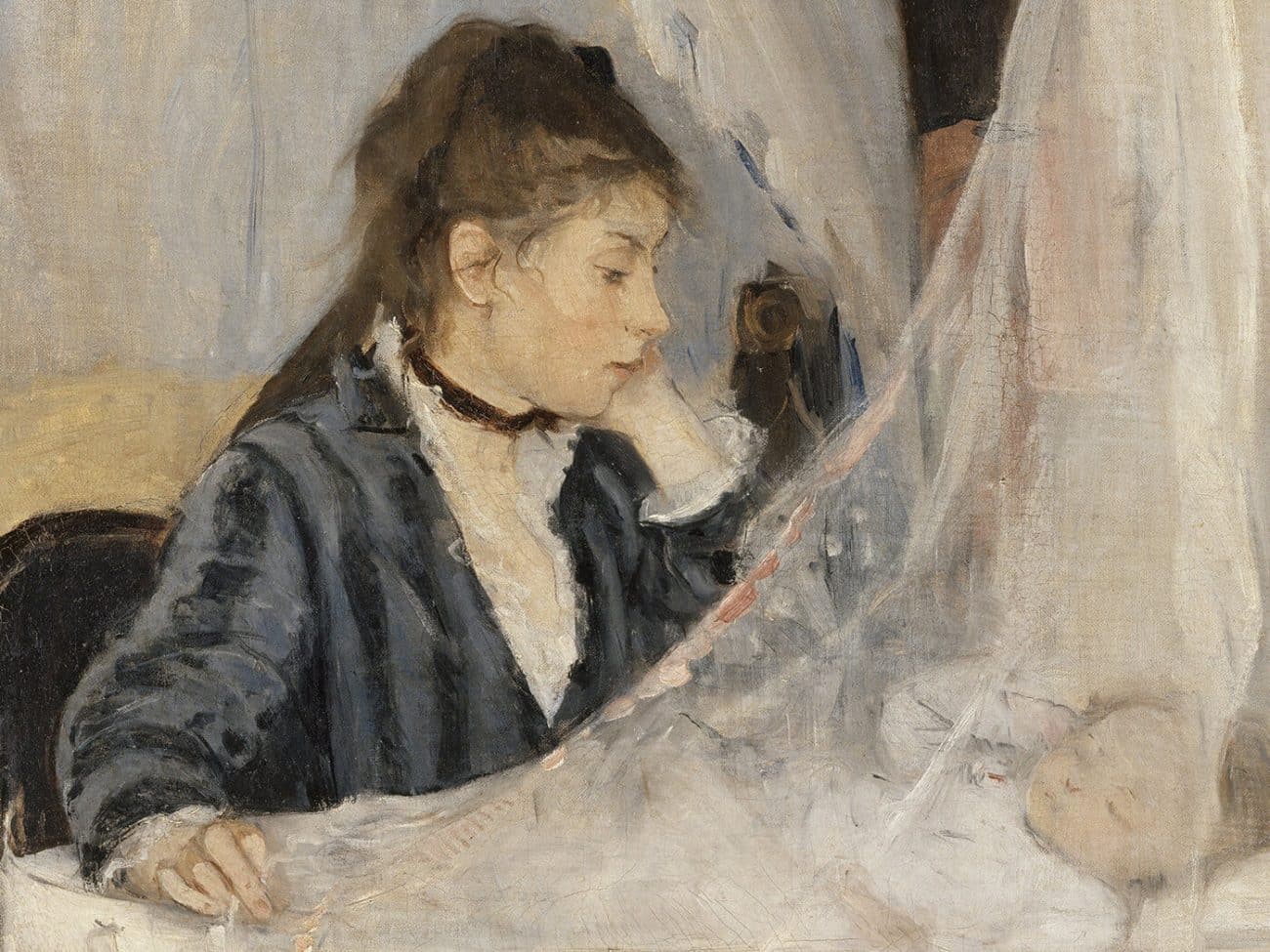
10 chefs-d’œuvre de l’impressionnisme décryptés par Beaux Arts

Beaux Arts Magazine presents a detailed dossier analyzing ten iconic masterpieces of Impressionism, including works by Edgar Degas, Édouard Manet, Berthe Morisot, Auguste Renoir, Gustave Caillebotte, Claude Monet, and Mary Cassatt. The article explores the technical innovations, modern subjects, and revolutionary spirit of the movement, which began in 1874 and was initially rejected by critics. Each featured painting—such as *Le Déjeuner sur l’herbe*, *Impression, soleil levant*, and *Le Bal du moulin de la Galette*—is examined by art historians and journalists to reveal its composition, historical context, and lasting impact.
Au Louvre, l’ambitieuse restauration du cycle de Marie de Médicis

The Louvre Museum in Paris is undertaking an ambitious restoration of Peter Paul Rubens's monumental cycle of 24 paintings depicting the life of Marie de Médicis. The project, which will take four years and cost €4 million funded by the Société des Amis du Louvre, begins this autumn with the paintings being restored in situ in the Médicis Gallery. The gallery will close in May to prepare the space as a restoration workshop, where two teams of 10–15 restorers will work simultaneously on cleaning, relining, and filling gaps. The last major restoration of the cycle dates to the 1950s, and recent diagnostics revealed yellowed varnish, discordant repaints, and flaking paint layers that risk irreversible loss.

How the State Supports Provenance Research

Comment l’État soutient la recherche de provenance

The French Ministry of Culture has created two specialized missions to assist museums in researching the provenance of their collections, addressing looted artworks, human remains, colonial acquisitions, and illicit trafficking. The Mission for Research and Restitution of Looted Cultural Property (M2RS), established in 2019, focuses on Nazi-era spoliations (1933-1945) with a budget of €220,000 annually, while the newer Mission "Provenance," launched in 2024 under curator Catherine Chevillot, covers human remains, colonial-era objects, and illicit goods with a €450,000 budget. These missions provide expertise, funding, and coordination with institutions like the Commission for the Restitution of Property and Compensation of Victims of Anti-Semitic Spoliation (CIVS), though most museums still only initiate provenance checks during acquisitions or donations.

Maximilien Durand reconduit au Louvre

Maximilien Durand, aged 50, has been reappointed for a three-year term as head of the Department of Byzantine and Eastern Christian Arts at the Louvre Museum in Paris. He has been preparing the department's opening since 2022. Durand previously served as director of the Musée des Tissus in Lyon and deputy director of collections at Paris Musées. His role includes overseeing collections, acquisitions, loans, and exhibitions, as well as a national expertise mission. Separately, Sophie Jugie moved to the Musées de France service after her non-renewal as head of the Sculptures department.

La loi sur les restitutions des biens culturels pillés pendant la colonisation définitivement adoptée

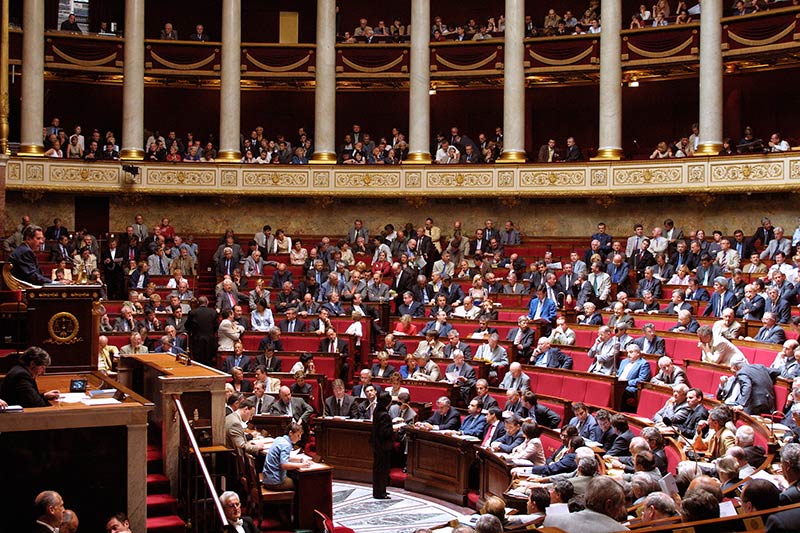
The French Parliament has definitively adopted a permanent law on the restitution of cultural property looted during colonization, replacing the previous case-by-case legislative approach. The Senate unanimously approved the final text on May 7, 2026, following agreement in a joint committee on April 30, and the National Assembly had approved it the day before. The law creates a general derogation from the principle of inalienability of public collections, establishing a bilateral scientific committee to examine provenance, with final decisions made by decree of the Council of State. Key amendments from the National Assembly—including binding parliamentary votes on restitution and conditions on conservation and public access—were removed by the joint committee to avoid perceptions of neocolonial tutelage.

La loi-cadre sur les restitutions définitivement adoptée par le Parlement

The French Parliament has definitively adopted a framework law on the restitution of cultural property that was illicitly acquired. The Senate unanimously approved the conclusions of the joint committee on May 7, following the National Assembly's approval on May 6, after an agreement was reached on April 30. The law establishes a general mechanism for returning objects from French public collections without requiring a specific law for each case, covering items acquired through looting, theft, forced sale, or other illicit means before the 1970 UNESCO Convention. It creates a permanent national commission and a bilateral scientific committee to assess claims, with restitution ultimately decided by government decree subject to legal review by the Council of State.