filter_list Showing 5 results for "Museo Correr" close Clear
dashboard All 5 museum exhibitions 4article policy 1
date_range Range Today This Week This Month All
Subscribe

Biennale di Venezia 2026. Le grandi mostre da non perdere in città

The article previews major exhibitions in Venice during the 2026 Biennale, highlighting a rich lineup of shows across the city's museums and foundations. Key highlights include a retrospective for Marina Abramović at the Gallerie dell'Accademia, a Peggy Guggenheim exhibition at her former home, and dual shows at Palazzo Grassi and Punta della Dogana featuring artists like Michael Armitage, Amar Kanwar, Lorna Simpson, and Paulo Nazareth. Other notable venues include Fondazione Prada, Ca' Pesaro, and the Museo Correr, with artists ranging from Joseph Kosuth to Jenny Saville.
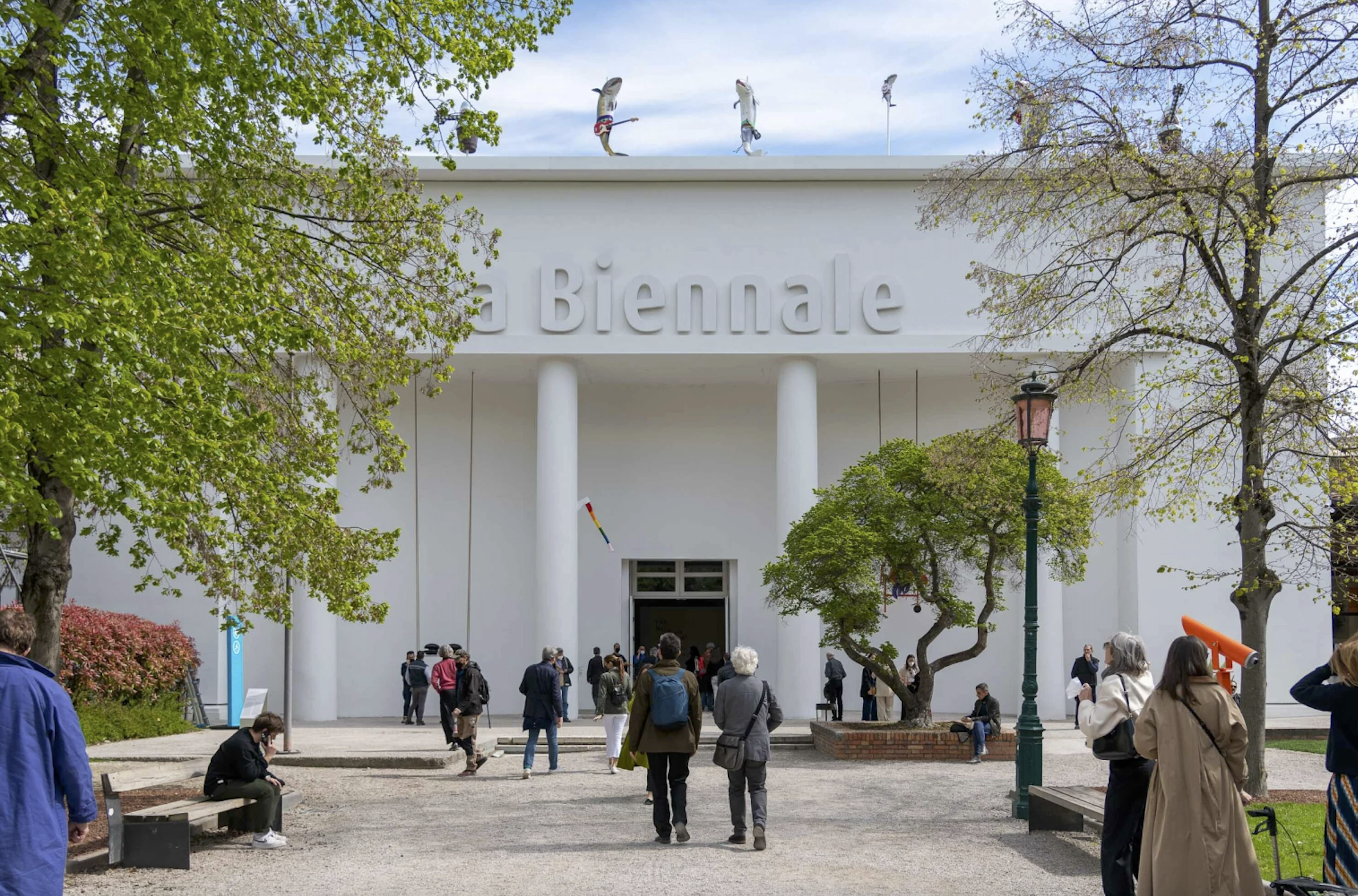
Behind every great artist... there is a great gallery. A look at the 2026 Venice Biennale

Dietro ogni grande artista… c’è una grande galleria. Un punto sulla Biennale Arte 2026

The 61st Venice Biennale, titled "In Minor Keys" (May 9 – November 22, 2026), features over 90% living artists, a significant shift from recent editions focused on historical rediscoveries. Curated by the late Koyo Kouoh (1967–2025), the first African woman to lead the Biennale, the exhibition includes 111 artists, with a majority of women (64 vs. 48 men) and the highest percentage of African-born artists ever (20%). Notable participants include Nick Cave, Carsten Höller, Alfredo Jaar, and Kader Attia, with a focus on mid-career and established figures rather than emerging or deceased artists.

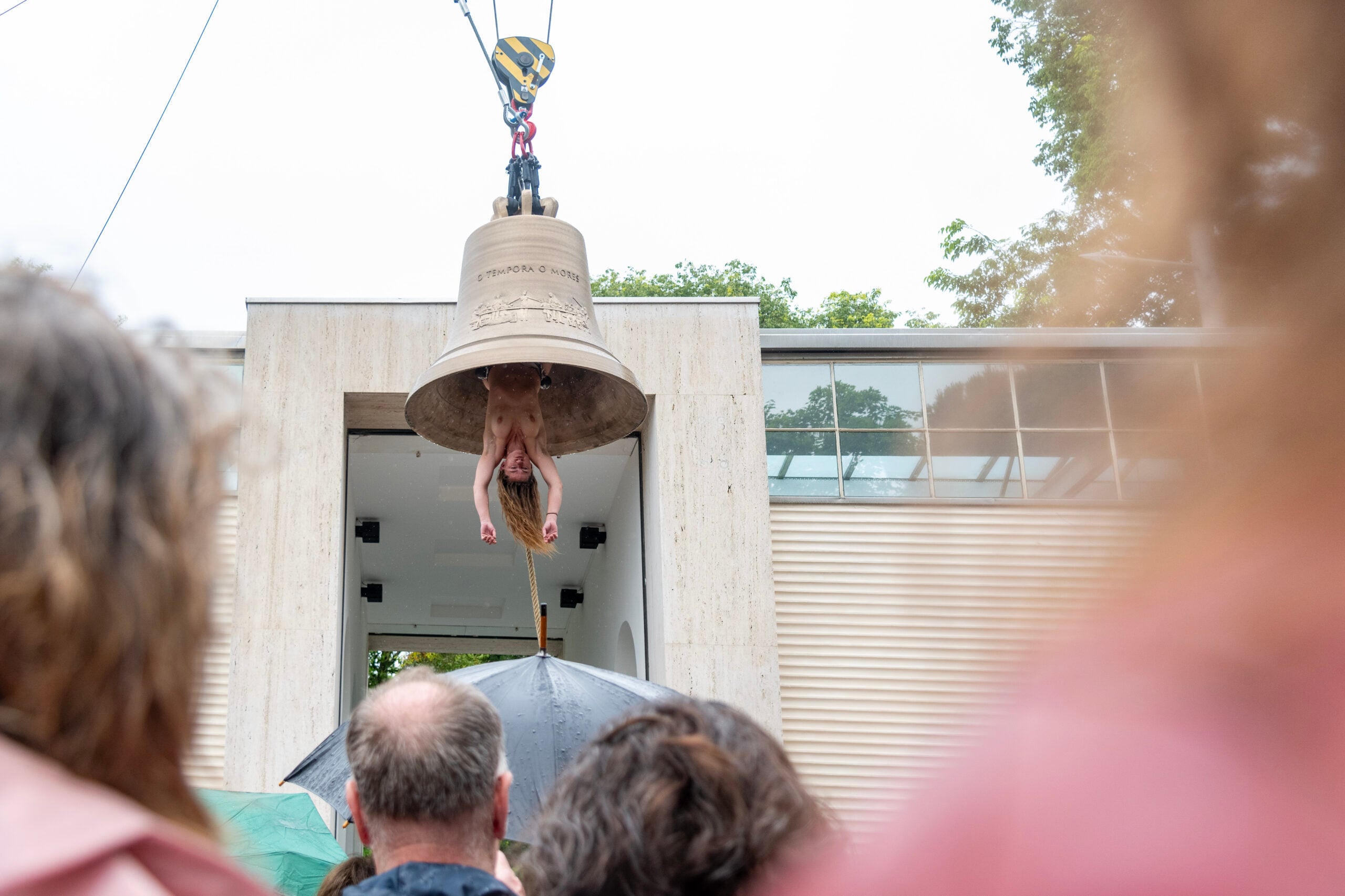
The best and worst we saw at the Venice Art Biennale 2026. Artribune's hits and flops

Il meglio e il peggio che abbiamo visto alla Biennale d’Arte di Venezia 2026. Top e flop di Artribune

The 61st Venice Biennale, titled "In Minor Keys" and directed by Koyo Kouoh, opened amid significant turmoil: the death of a newly appointed curator, diplomatic tensions over the presence of Russia and Israel, political protests, and the unprecedented collective resignation of the jury, which led to the Golden Lions being awarded by public vote for the first time. Despite this chaotic backdrop, the exhibition—featuring a record 100 national pavilions—has been widely praised for avoiding moralistic pedagogy and instead embracing visual seduction, formal quality, and sensory joy while addressing themes of identity, memory, colonialism, ecological crisis, and violence. The article highlights top and flop moments from the opening week, including strong showings by Biennale president Pietrangelo Buttafuoco and a standout exhibition at Fondazione Prada.

NSIDER: Frist Art Museum Debuts ‘Venice and the Ottoman Empire’

The Frist Art Museum has debuted 'Venice and the Ottoman Empire,' an interactive exhibition exploring the cultural, artistic, and commercial exchanges between Venetians and Ottomans from 1400 to 1800. Featuring over 150 works from seven Venetian museums, the show includes ceramics, glass, metalwork, paintings, prints, and textiles by artists such as Gentile Bellini and Vittore Carpaccio, alongside anonymous craftspeople. Immersive elements like soundscapes, scent stations, and a video installation with Nashville chefs Paulette Licitra and Ilyas Bakla enhance the experience, with rooms dedicated to doges, sultans, shipwreck artifacts, and the spice trade.

In Venice, the Wagner Museum changes status

À Venise, le Musée Wagner change de statut

The Wagner Museum in Venice, currently a discreet institution housed within the Casino di Venezia in the Ca' Vendramin Calergi palace on the Grand Canal, is set to join the network of the Fondazione dei Musei Civici di Venezia (MUVE) by 2027. An agreement signed in March 2025, after thirty years of discussions, between MUVE, the Casino, and the Richard Wagner Association will make the museum the fourteenth institution under MUVE's management, alongside the Museo Correr, Ca' Pesaro, and the Museo Fortuny. The museum, established in 1995 in the rooms where Richard Wagner stayed and died in 1883, holds significant collections including the Josef Lienhart and Walter Just collections, making it one of the most important private Wagnerian collections outside Bayreuth, Germany.