
filter_list Showing 2 results for "Museo Pio-Clementino" close Clear
search
dashboard All 2 article culture 1museum exhibitions 1
date_range Range Today This Week This Month All
Subscribe

laocoon vatican michelangelo forgery

On January 14, 1506, Florentine architect Giuliano da Sangallo and Michelangelo Buonarroti witnessed the excavation of the Laocoön Group, a monumental ancient marble statue unearthed in a Roman vineyard. The sculpture, depicting the Trojan priest Laocoön and his sons battling serpents, was quickly acquired by Pope Julius II and installed in the Vatican, where it remains today at the Museo Pio-Clementino. However, art historian Lynn Catterson controversially proposed in 2005 that the statue is not an ancient artifact but a forgery created by Michelangelo himself, citing evidence such as a drawing of a torso resembling the statue's back, bank records of Michelangelo's marble purchases, and his history of producing forgeries like the lost Sleeping Cupid.
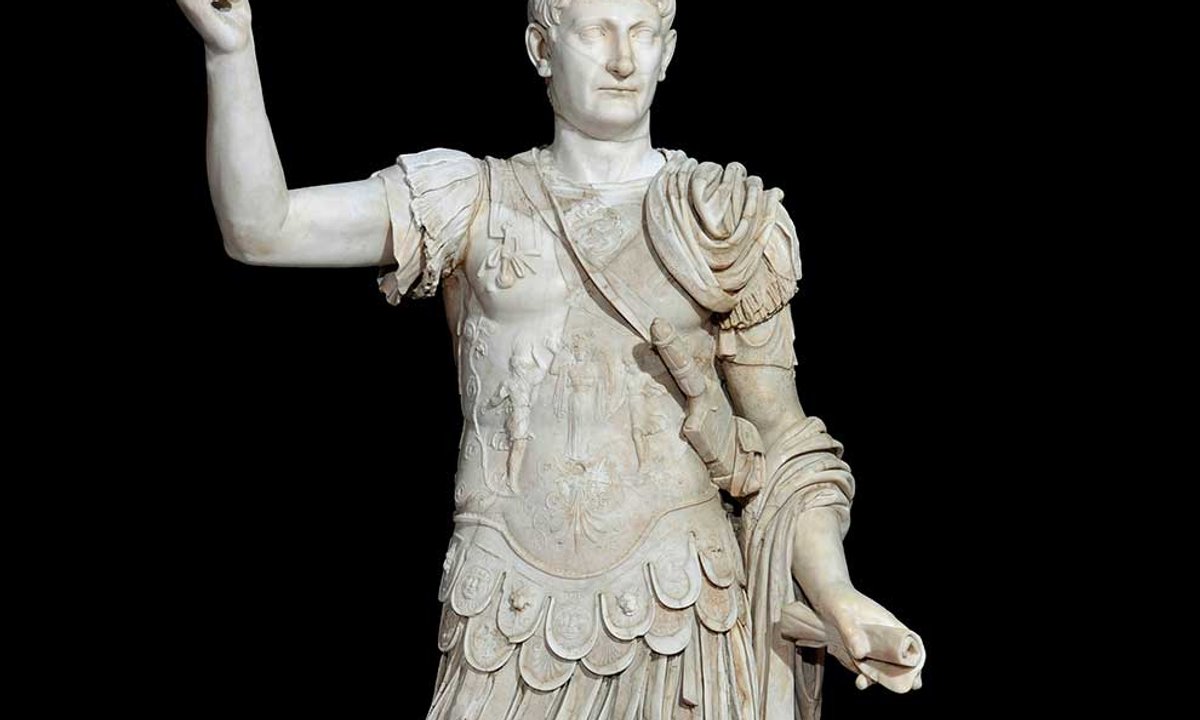
Trajan’s force: Houston exhibition to explore Ancient Rome’s imperial peak

The Museum of Fine Arts, Houston is opening "Art and Life in Imperial Rome: Trajan and His Times," an exhibition exploring the artistic and cultural legacy of Emperor Trajan (AD 98–117). The show features loans from major Italian institutions including the Museo Archeologico Nazionale di Napoli and the Vatican Museums, with standout works such as a 2-meter marble statue of Trajan and a colossal portrait of his wife Plotina. The exhibition, conceived in 2021 with Italian consultancy StArt, will travel to the Saint Louis Museum of Art in March 2026, with each venue offering a different focus—Houston emphasizing large-scale objects like a recreation of Trajan's Column, and St. Louis delving into the port city of Ostia.