
filter_list Showing 4 results for "Museum Rietberg" close Clear
dashboard All 4 museum exhibitions 3gavel restitution 1
date_range Range Today This Week This Month All
Subscribe

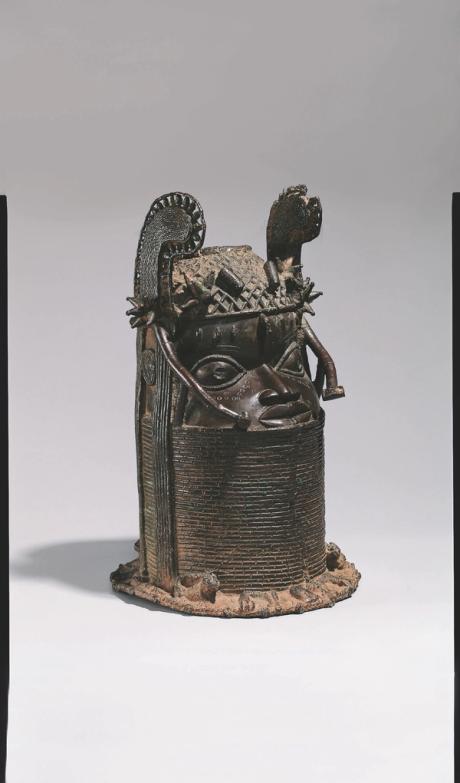
Zurich's Museum Rietberg transfers 11 Benin Bronzes to Nigerian government

The Museum Rietberg in Zurich is transferring ownership of 11 Benin Bronzes to the Republic of Nigeria. The transfer includes a significant commemorative bronze head from around 1850 and an 18th-century ivory tusk, both looted during the British raid on Benin City in 1897, which will be physically returned to Nigeria this summer.
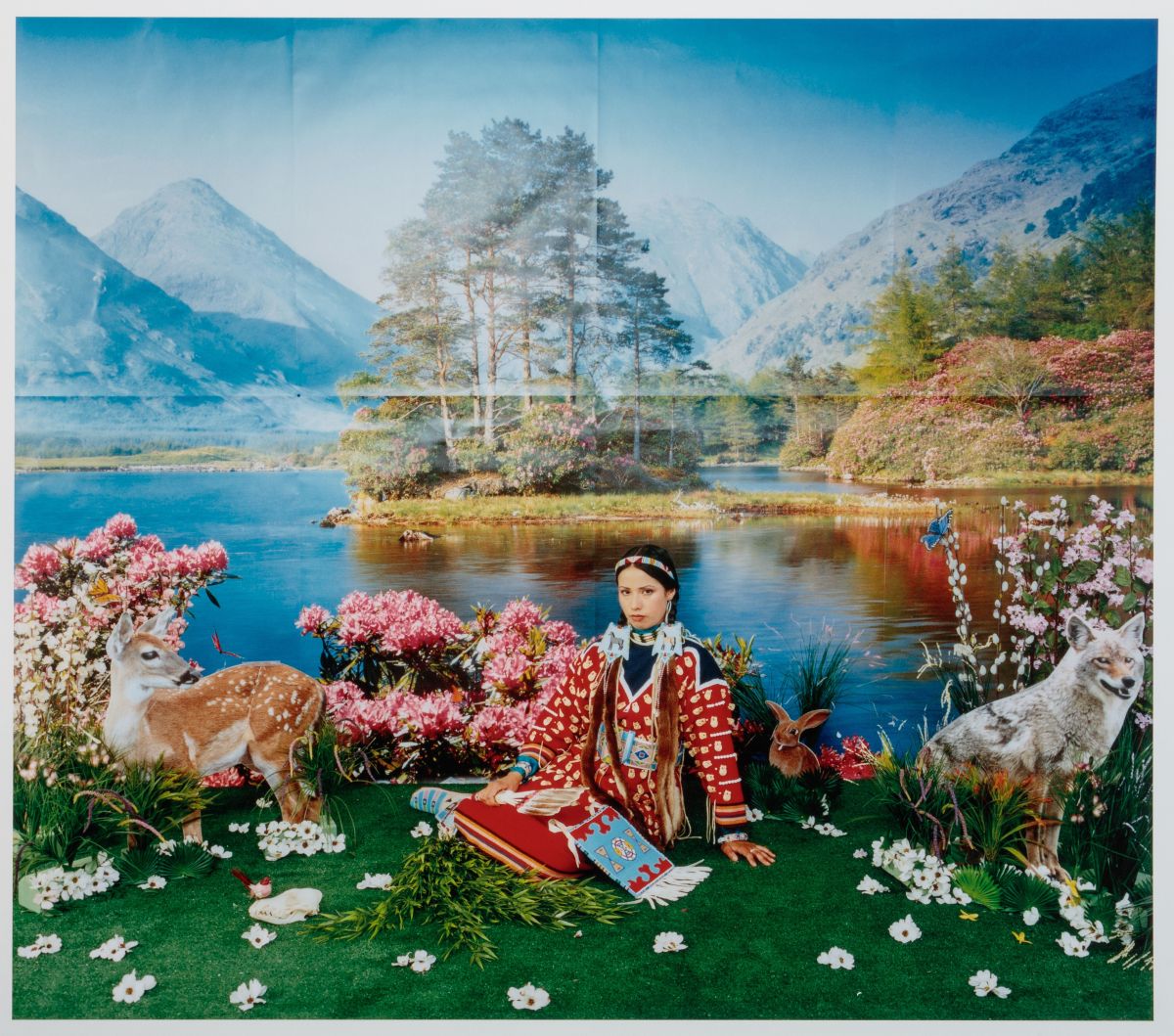
Looking Back to Look Forward

Blick zurück nach vorn

The Museum Rietberg in Zürich is hosting an exhibition that examines the intersection of photography and colonialism. The show highlights how early photographic techniques, introduced to Africa shortly after their invention in 1839, were historically used as tools of power, surveillance, and scientific categorization. By juxtaposing historical archives with contemporary works, the exhibition demonstrates how modern artists are reclaiming and transforming these violent visual legacies.

Monopol Gives Away 5 x 2 Tickets for Photo Exhibition at Museum Rietberg

Monopol verlost 5 × 2 Tickets für Foto-Ausstellung im Museum Rietberg

The Museum Rietberg in Zurich is presenting the exhibition "Fast ein Paradies" (Almost a Paradise), which critically examines colonial-era photography as an instrument of power. The show juxtaposes historical photographs with contemporary artworks that recontextualize this material, featuring artists like Sasha Huber, Sammy Baloji, Raphaël Barontini, and Andrea Chung, who intervene in the archival images to challenge colonial narratives and restore agency to the subjects.

Museum Rietberg A Kind of Paradise Reframes Colonial Photography Narratives

The Museum Rietberg in Zürich has opened the exhibition 'A Kind of Paradise,' which critically reexamines colonial-era photography through the work of 20 contemporary artists from the global diaspora. The show is structured into four thematic sections—Shapeshifters, Confrontation, Care, and In the Photo Fantastic—and transforms archival images from tools of colonial power into sites of reinterpretation and resistance.