
filter_list Showing 3 results for "Nanni Bassani Antivari" close Clear
search
dashboard All 3 trending_up market 3
date_range Range Today This Week This Month All
Subscribe

fort worth kimbell art museum acquires chardin the cut melon

The Kimbell Art Museum in Fort Worth, Texas, has acquired Jean Siméon Chardin's 1760 painting *The Cut Melon* directly from the descendants of Baroness Charlotte de Rothschild. The work had previously sold for $30.3 million at Christie's France in June 2024 to Italian investor Nanni Bassani Antivari, who failed to pay, leading Christie's to sue him. The museum, which was the underbidder at auction, announced the acquisition on Wednesday, and the painting goes on view Thursday in the Louis I. Kahn building.
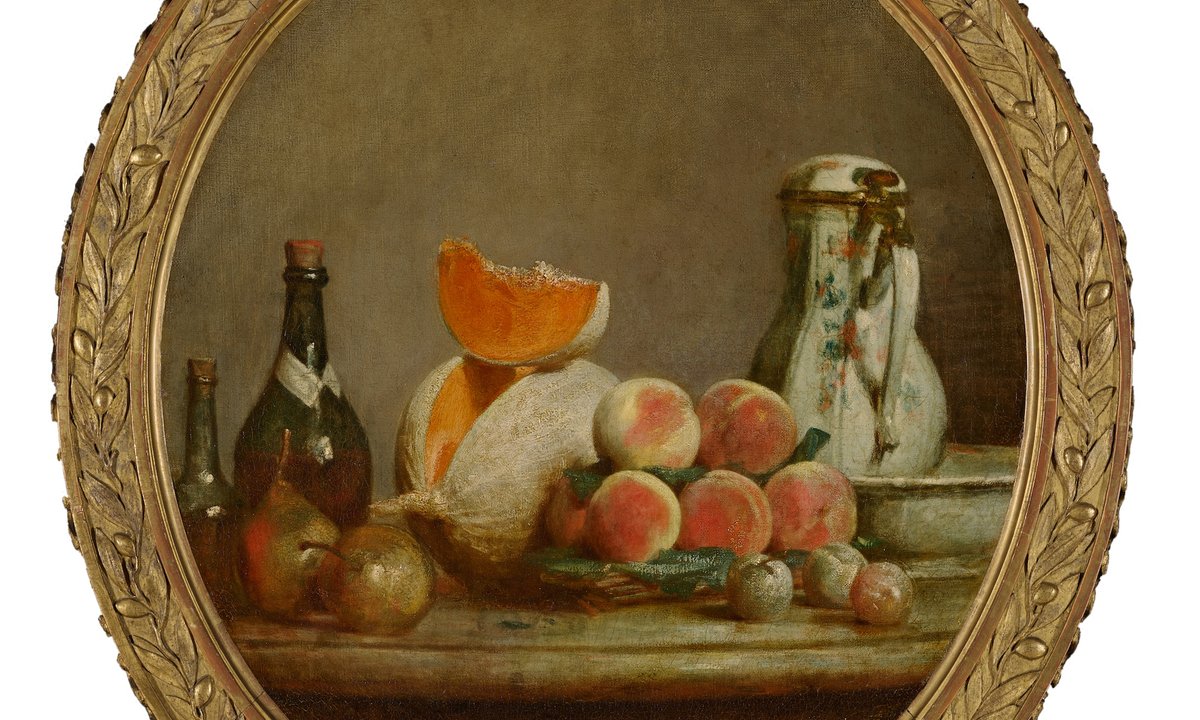
Kimbell Art Museum acquires Chardin still life after record-breaking auction sale falls through

The Kimbell Art Museum in Fort Worth, Texas, has acquired Jean Siméon Chardin's still life *The Cut Melon* (1760) from the Rothschild family after a record-breaking auction sale at Christie's Paris in June 2024 fell through. The winning bidder, Italian real estate promoter Nanni Bassani Antivari, never paid, leading Christie's to sue him for compensation. The Rothschilds then sold the painting directly to the Kimbell, which had been the underbidder at auction. The work, which retains its original frame from its 1761 Salon debut, went on view at the museum on 22 May in the French still life gallery.

This Is What Happens When an Art Auction Bidder Changes Their Mind

Auction houses are grappling with a rise in bidders attempting to back out of winning bids, often citing flimsy excuses like cats jumping on keyboards. Richard Wright, CEO of Rago/Wright, describes a 'cat button' on their website that locks the bid button to prevent accidental clicks, but some buyers still renege by blaming spouses or pets. The problem has worsened with online bidding, as remote participants may not grasp the binding nature of a winning bid. Houses like Freeman | Hindman and Eldred's require deposits and registration to mitigate risks, but defaults persist, with Wright estimating 1% of sales become problematic.