
filter_list Showing 3 results for "Nazi looting" close Clear
dashboard All 3 trending_up market 2article culture 1
date_range Range Today This Week This Month All
Subscribe

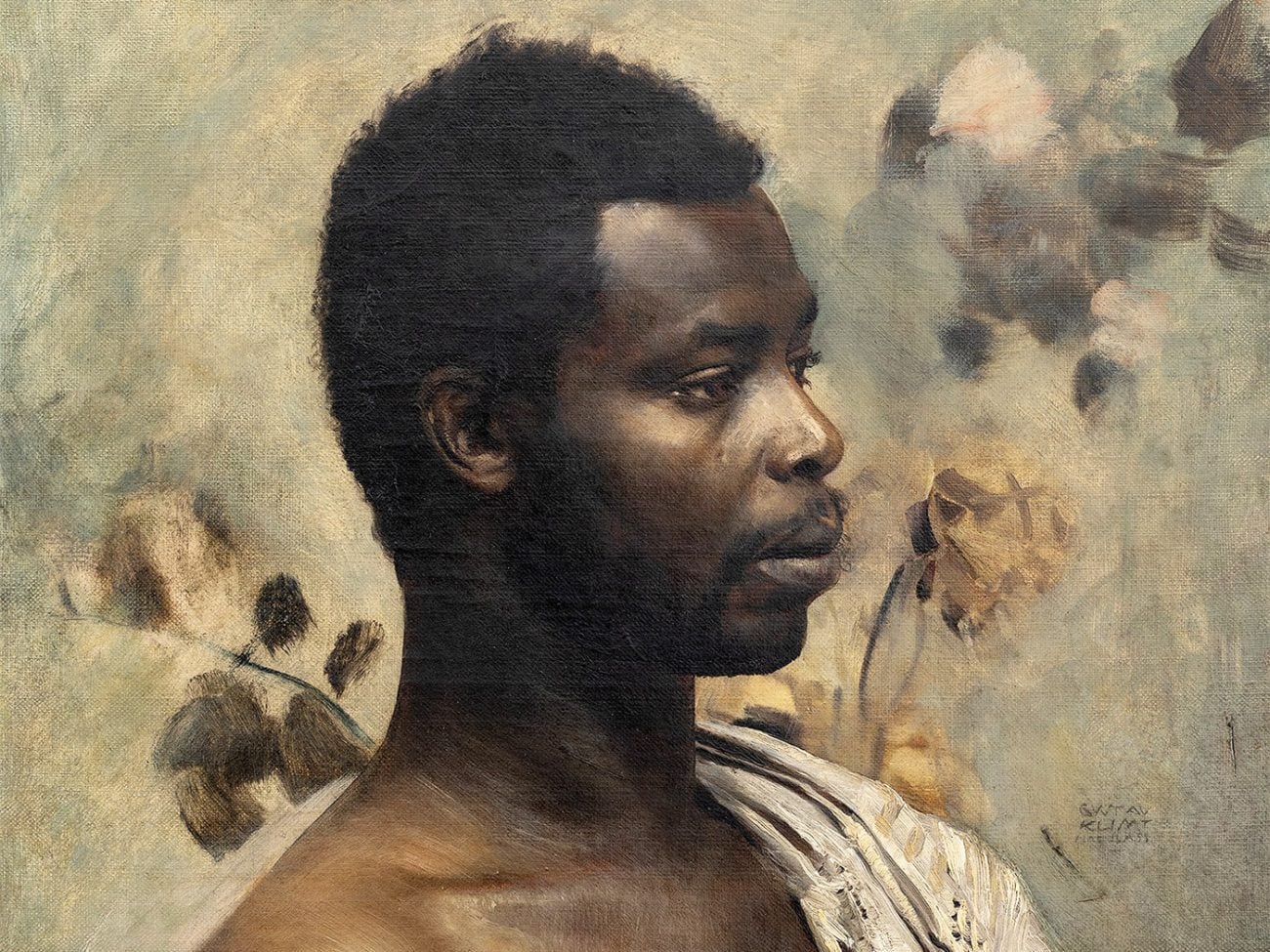
On Arte, the Fascinating Odyssey of a Lost Klimt Retraced in a Documentary

Sur Arte, la fascinante odyssée d’un Klimt disparu retracée dans un documentaire

A long-lost portrait by Gustav Klimt, depicting a young Black man, has been rediscovered and is the subject of a new documentary on Arte. The film, "Gustav Klimt and the Enigma of the Ghanaian Prince," details the painting's authentication and the investigation into the identity of its sitter, who was identified in 2024 as Prince William Nii Nortey Dowuona, a member of the Ga people who was in Vienna in the late 19th century.
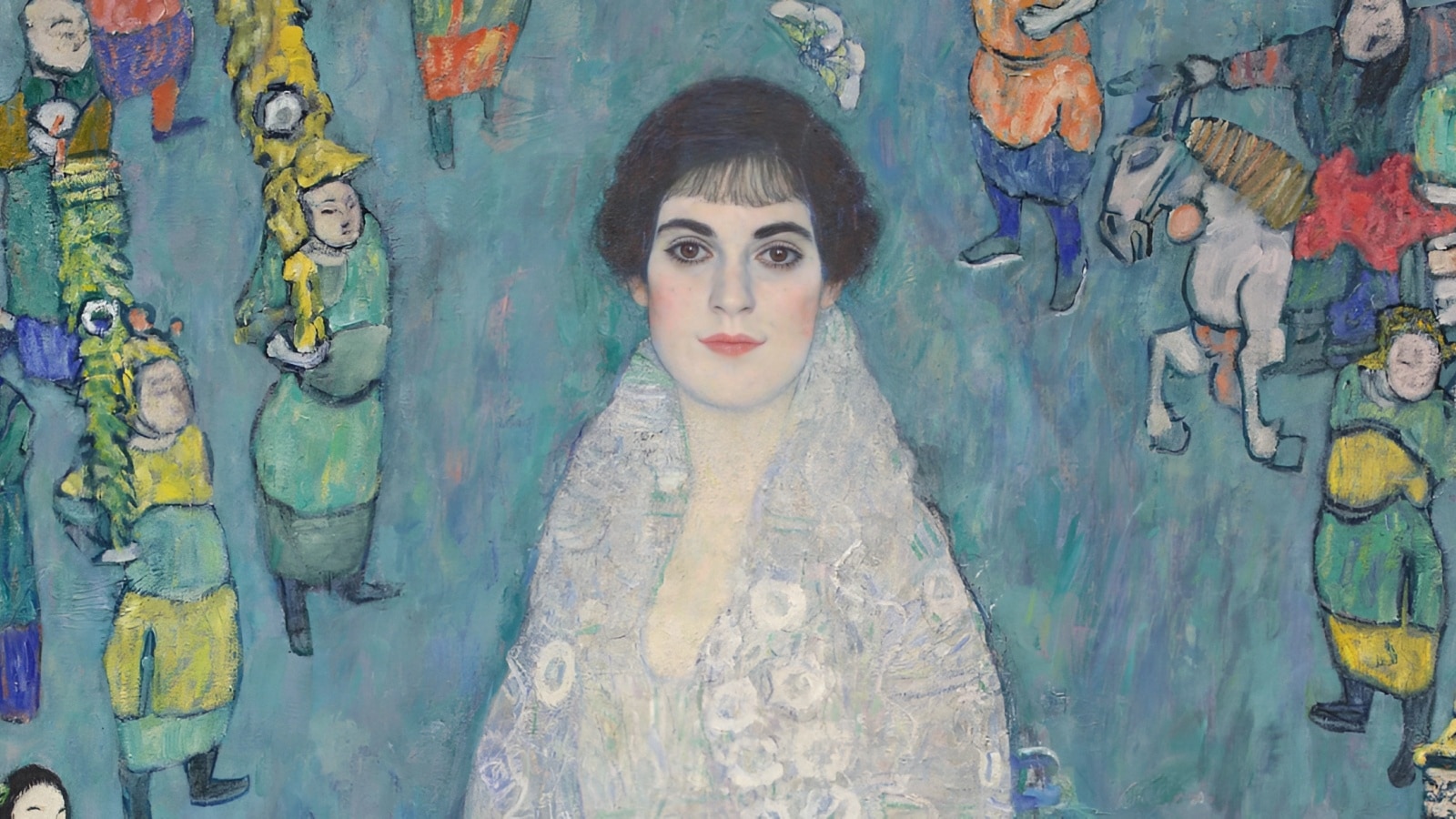
All you need to know about Klimt’s canvas that is now the most expensive modern artwork

Gustav Klimt's "Bildnis Elisabeth Lederer" (Portrait of Elisabeth Lederer) sold for $236.4 million at Sotheby's first auction in its new Breuer building location in New York, becoming the most expensive modern artwork ever sold at auction. The 1914-1916 portrait depicts Elisabeth Lederer, daughter of Klimt's patrons Serena and August Lederer, and was previously owned by Estée Lauder heir Leonard A. Lauder, who died earlier this year. The painting was looted by the Nazis during World War II, returned to the Lederer family in 1948, and later sold in 1983.

All you need to know about Klimt’s canvas that is now the most expensive modern artwork

Gustav Klimt's *Bildnis Elisabeth Lederer (Portrait of Elisabeth Lederer)* sold for $236.4 million at Sotheby's first auction in its new Breuer building location in New York, becoming the most expensive modern artwork ever sold at auction. Painted between 1914-1916, the six-by-four-foot portrait depicts Elisabeth Lederer, daughter of Klimt's patrons Serena and August Lederer, dressed in a white gown against a wisteria backdrop. The painting was looted by the Nazis, survived a fire during World War II, was returned to the Lederer family in 1948, and later entered the collection of Estée Lauder heir Leonard A. Lauder, who died earlier this year.