
filter_list Showing 3 results for "Office of National Statistics" close Clear
dashboard All 3 article news 2article policy 1
date_range Range Today This Week This Month All
Subscribe

tate reports budget deficit critics respond 1234748568

Tate Modern, the world's most visited modern and contemporary art museum, reported a budget deficit six months ago, prompting critics to blame its programming and curatorial strategies for declining foot traffic. While domestic attendance has recovered to 95% of pre-Covid levels, international visitors have dropped significantly—down 39% at Tate Modern, 32% at Tate Britain, and nearly 40% at Tate St Ives. Tate Liverpool remains closed until 2027. Research from The Art Newspaper's annual visitor report, however, points to external factors such as Brexit, socioeconomic shifts, and the cost-of-living crisis as key drivers of the decline, particularly among young European visitors aged 16 to 24.
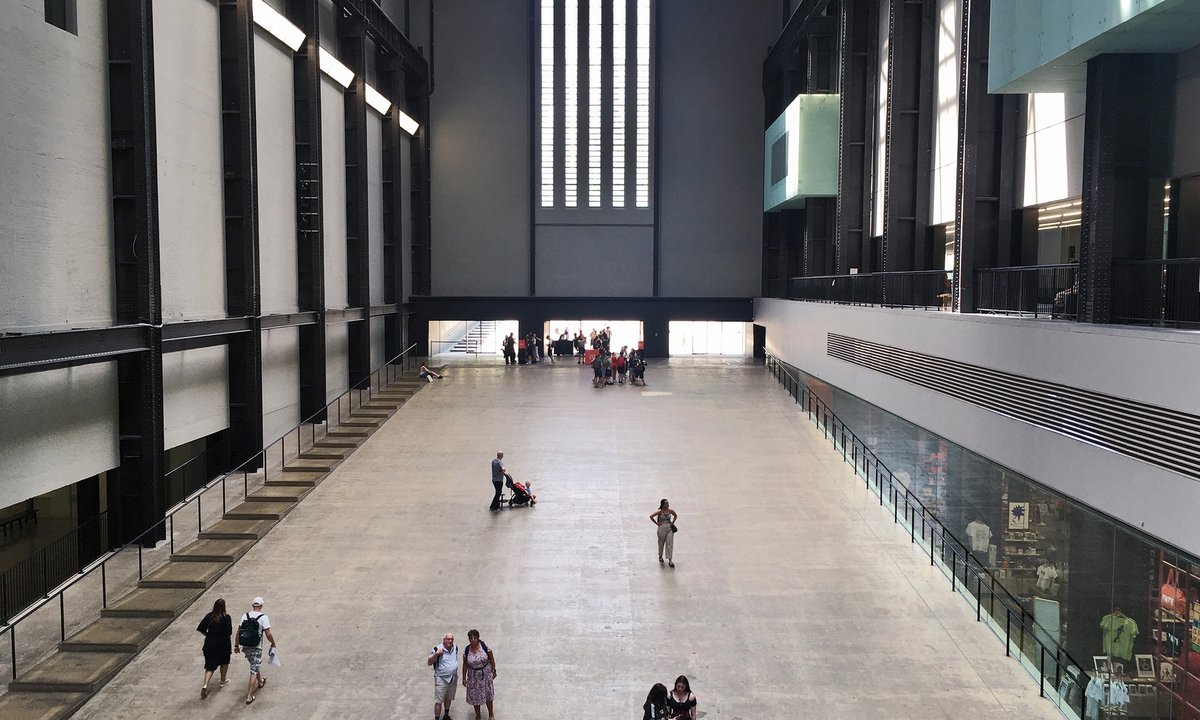

Tate reveals the main reason for its lower attendance figures

Tate museums have experienced a significant drop in attendance, with Tate Modern seeing 25% fewer visitors in 2024 compared to 2019, Tate Britain down 32%, and Tate St Ives down 37%. While domestic visitor numbers have recovered to 95% of pre-Covid levels, international visitors are at only 61%, particularly among European 16-to-24-year-olds, whose numbers fell from 609,000 in 2019-20 to 357,000 in 2023-24. The Art Newspaper's research, combining government data and Tate's internal studies, shows that external socioeconomic factors—including a one-tenth drop in EU visitors to the UK overall—are the primary driver, not curatorial programming as some critics have claimed.

Study highlights link between cultural engagement and workforce levels

A new study from the Creative Industries Policy and Evidence Centre (Creative PEC) reveals a strong correlation between the number of people working in arts, culture, and heritage occupations in English local authorities and the rates of public participation in cultural activities. Analyzing data from DCMS's Participation Survey 2023–24 and the Office of National Statistics Labour Force Survey, the report found the strongest link between cultural employment and art gallery attendance, followed by literary events and live dance. London boroughs dominated the top rankings, with Cambridge, Brighton and Hove, Oxford, Bristol, and Waverley also showing high correlations, though exceptions like Stoke-on-Trent and York highlighted local variations in specific art forms.