
filter_list Showing 3 results for "Oriol Vilanova" close Clear
search
dashboard All 3 museum exhibitions 3
date_range Range Today This Week This Month All
Subscribe

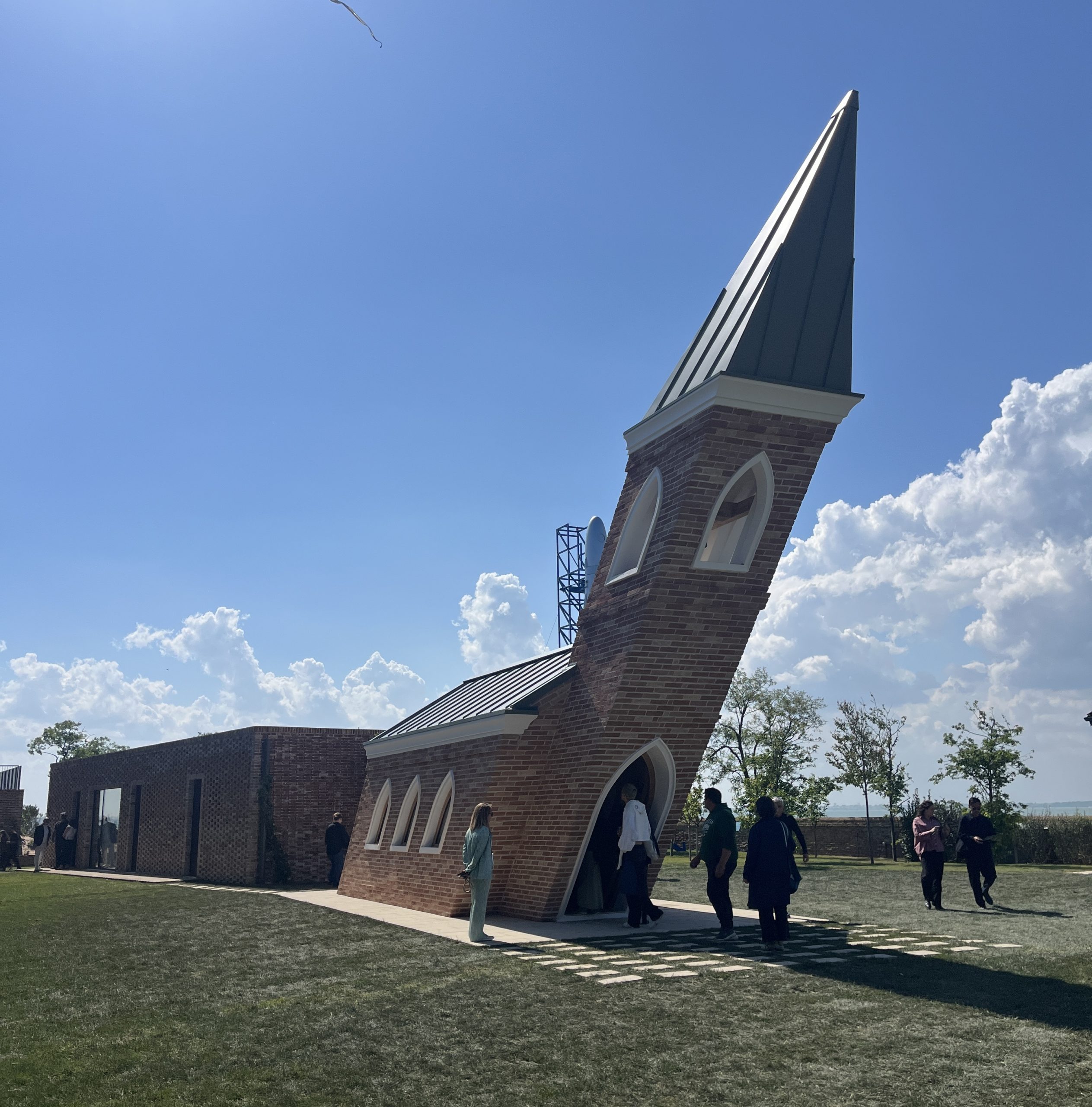
At the Venice Biennale, the Thrill of Victory, the Agony of Defeat

The article reports on the opening of the 61st Venice Biennale, highlighting the central exhibition "In Minor Keys" conceived by the late Koyo Kouoh, along with national pavilions and collateral events. It notes standout contributions from artists such as Alvaro Barrington, Kaloki Nyamai, Florentina Holzinger, Ei Arakawa-Nash, Li Yi-Fan, and Dries Verhoeven, while describing the American pavilion as lackluster and the overall commercial offerings as uneven. The text also covers performances and exhibitions featuring nudity and body horror, including Tino Sehgal's "The Kiss" and Maja Malou Lyse's video with the collective DIS.
SPAIN ORIOL VILANOVA AND THE ABOLITION OF THE MUSEUM AND THE ARCHIVE

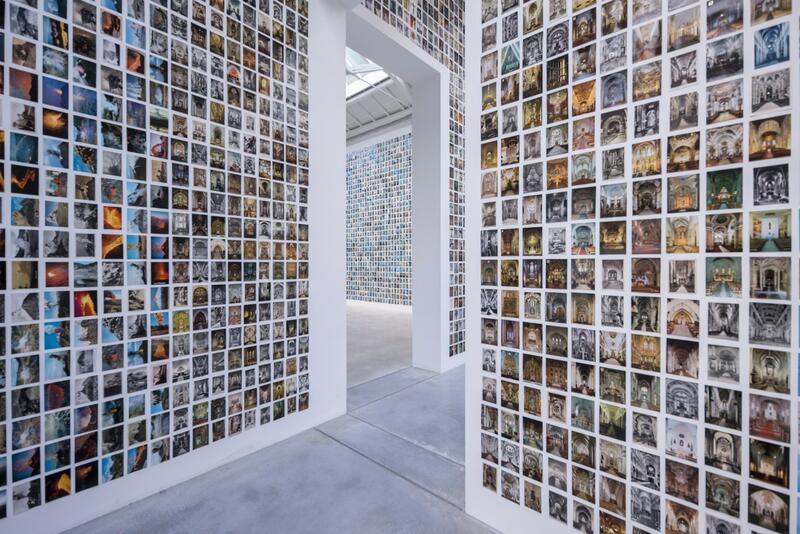
The Spanish Pavilion at the 61st Venice Biennale presents "Los restos," a project by Catalan artist Oriol Vilanova, curated by Carles Guerra. The installation transforms the pavilion into an anti-museum or pseudo-museum, featuring Vilanova's collection of postcards sourced from flea markets over more than twenty years. The work critiques traditional archival systems through accumulation, repetition, and fragmentation, and includes a publication and a performative action titled "El fantasma de la libertad" (2026), inspired by Luis Buñuel, which will take place across the Giardini and Arsenale.

Spain: Oriol Vilanova and the Abolition of the Museum and the Archive

ESPANA ORIOL VILANOVA Y LA ABOLICION DEL MUSEO Y EL ARCHIVO

The Spanish Pavilion at the 61st Venice Biennale presents "Los restos," a project by Catalan artist Oriol Vilanova, curated by Carles Guerra. The installation transforms the pavilion into an anti-museum or pseudo-museum, featuring over twenty years of postcards collected from flea markets, arranged in a wall-based accumulation that challenges linear narrative and archival hierarchy. The project also includes a publication and a performative action titled "El fantasma de la libertad" (2026), inspired by Luis Buñuel, which will take place across the Giardini and Arsenale through unannounced encounters.