
filter_list Showing 3 results for "Palazzo Diedo" close Clear
search
dashboard All 3 museum exhibitions 2rate_review review 1
date_range Range Today This Week This Month All
Subscribe

Naked jetskiers, giant bells and a celebrity seagull! Venice Biennale’s wildest moments – in pictures

The Guardian presents a photo essay capturing the most eccentric and memorable moments from the 61st Venice Biennale, running until 22 November 2026. Photographer David Levene documents installations including a concrete 'Origami Deer' evacuated from war-torn Pokrovsk, Ukraine, by artist Zhanna Kadyrova; a seagull that became a minor celebrity after nesting outside the Polish pavilion; and the Holy See pavilion's immersive sound installation curated by Hans Ulrich Obrist and Ben Vickers. Other highlights include the Egyptian pavilion's touch-and-smell 'Silence Pavilion' and a Polish pavilion film featuring deaf and hearing singers.
Review: The Good, The Bad and The Venice Biennale

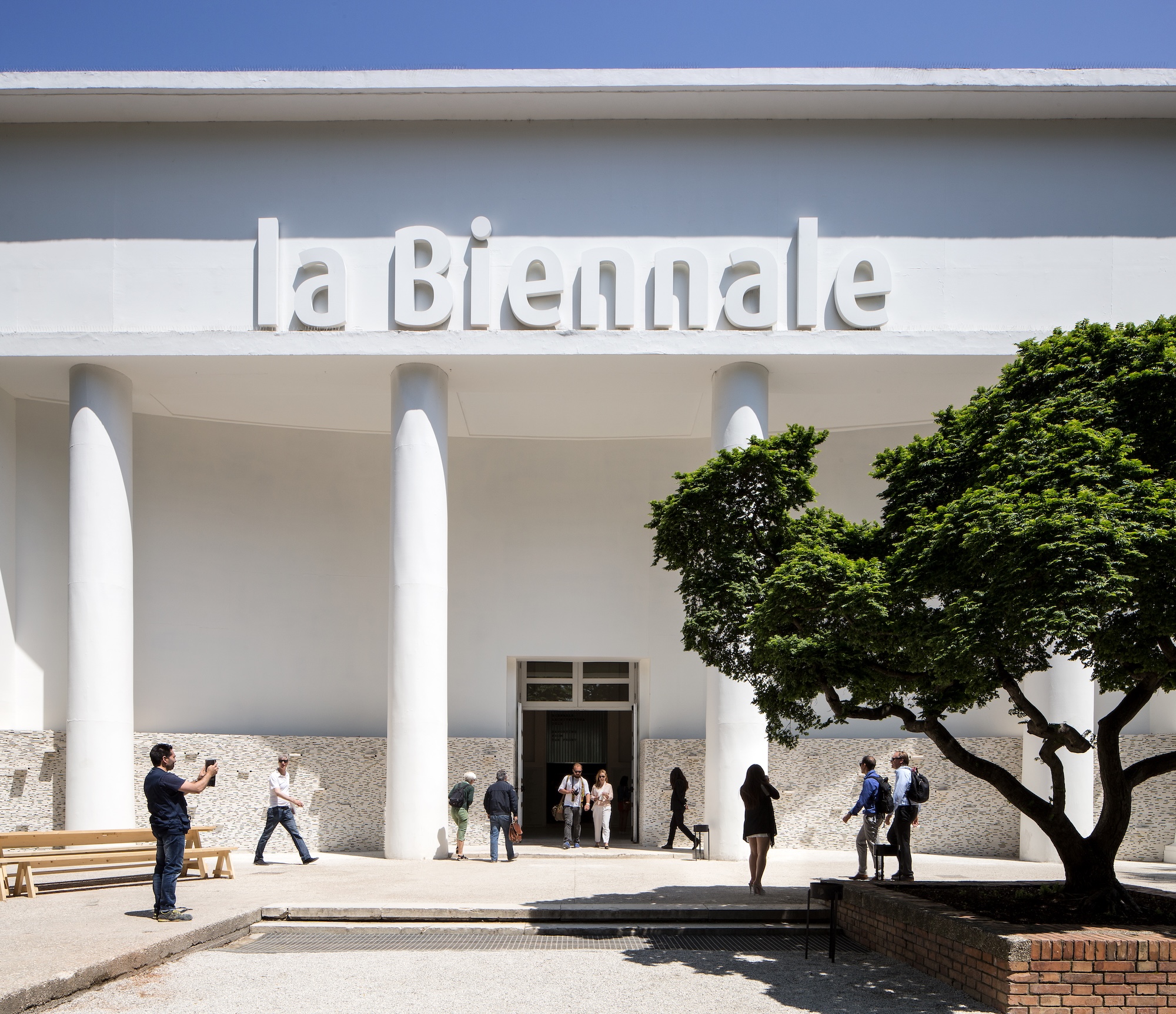
The article reviews the 2024 Venice Biennale, focusing on controversies over Russia's and Israel's participation. Protests erupted during opening week, leading the EU to cut funding and the International Jury to resign. As a result, awards like the Golden Lion and Silver Lion will be decided by public vote, with many pavilions and artists withdrawing in protest. The main exhibition, curated under the theme 'Minor Keys,' features standout works by Alfredo Jaar and Carrie Schneider, alongside national pavilions like Austria's provocative entry by Florentina Holzinger.

Holly Herndon and Mat Dryhurst on AI Optimism and Bringing Two-Headed Worms to Venice

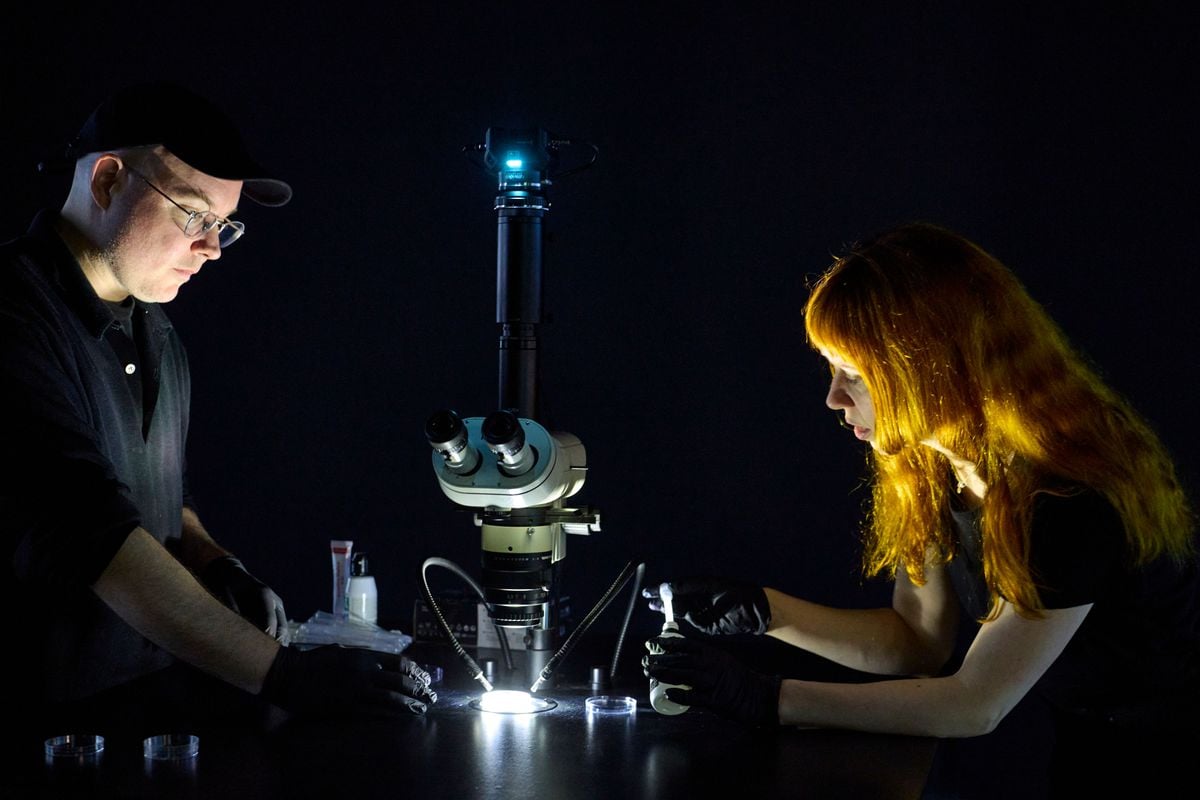
Holly Herndon and Mat Dryhurst, known for their work in digital art and experimental music, have curated a group exhibition titled "Strange Rules" at Palazzo Diedo in Venice alongside Hans-Ulrich Obrist. Their contribution includes a collaboration with Tufts University biologist Michael Levin, featuring live planarian worms modified to grow two heads through bioelectric manipulation. The interview discusses their concept of "protocol art," which seeks to expose and reclaim the underlying systems—from algorithms to biological protocols—that shape artistic production.