

filter_list Showing 4 results for "Palestinian pavilion" close Clear
dashboard All 4 article policy 2article news 1museum exhibitions 1
date_range Range Today This Week This Month All
Subscribe

An Urgent Call From Artists and Curators of the 61st International Art Exhibition of La Biennale di Venezia 2026

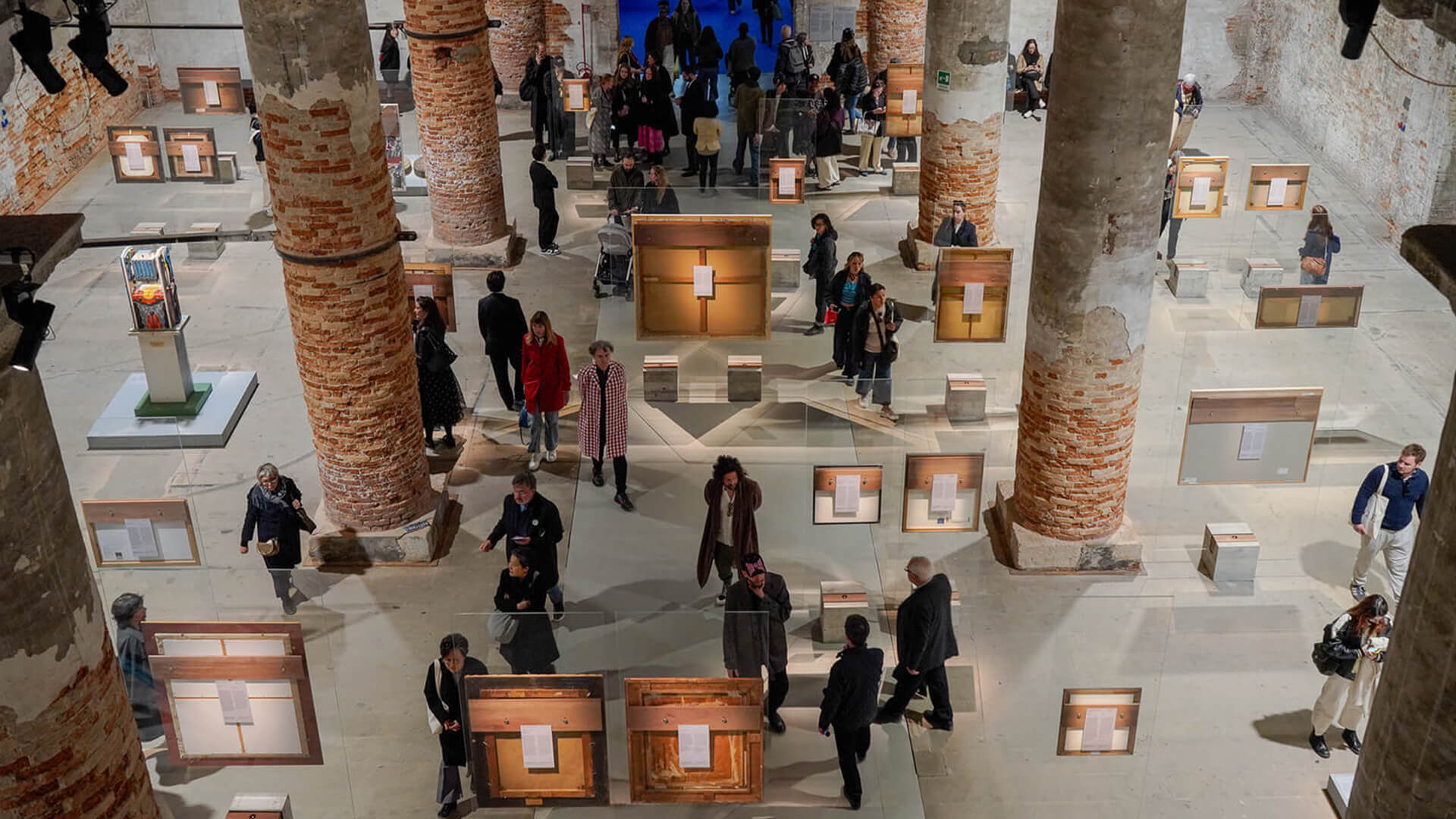
A group of seventy-four artists and curators participating in the 61st Venice Biennale have issued an urgent letter to the institution's leadership, including director Pietrangelo Buttafuoco. The signatories are protesting the decision to relocate the Israeli Pavilion to the Arsenale, placing it in close proximity to the central exhibition, "In Minor Keys," which was conceived by the late curator Koyo Kouoh. The group argues that this relocation violates Kouoh’s curatorial vision of radical solidarity and introduces a threatening military and police presence into the exhibition space.
An open letter to La Biennale di Venezia calls out inaction in the face of global atrocities

A group of 74 artists and curators invited to the 61st Venice Biennale have issued an open letter to the institution's president, Pietrangelo Buttafuoco. The signatories are protesting the decision to relocate the Israeli Pavilion to the Arsenale, placing it in close proximity to the central exhibition 'In Minor Keys' curated by the late Koyo Kouoh. The letter demands the exclusion of official delegations from countries accused of war crimes—specifically Israel, Russia, and the United States—and accuses the Biennale of complicity through its silence on global atrocities.

Now we open a Palestinian Pavilion at the Biennale. Interview with Tomaso Montanari

“Ora apriamo un Padiglione Palestina in Biennale”. Intervista a Tomaso Montanari

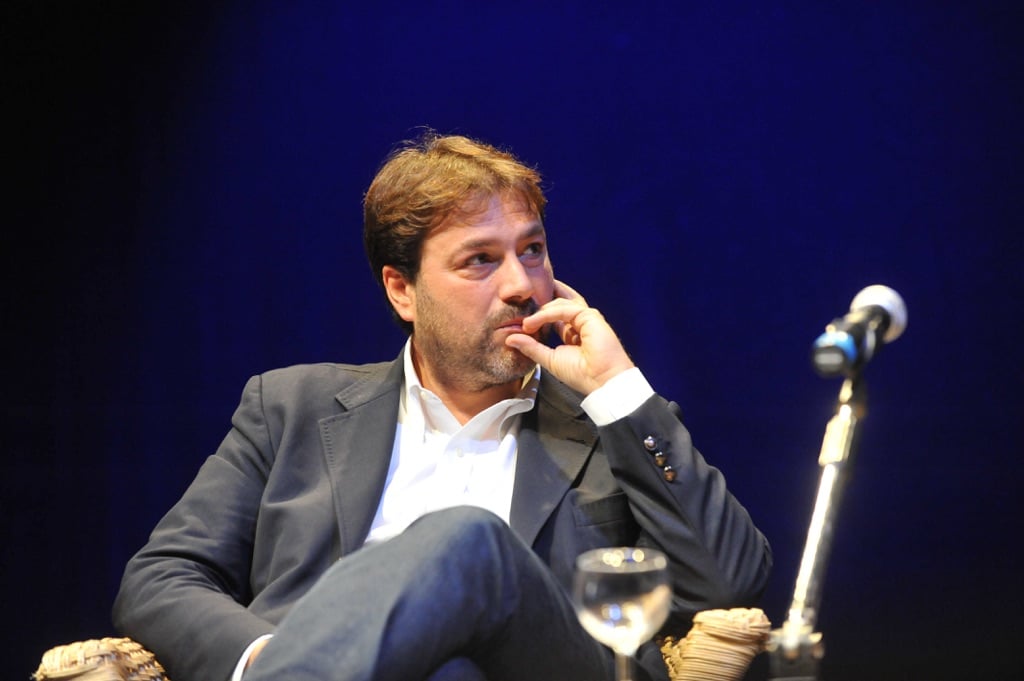
Tomaso Montanari, a member of the scientific committee for the exhibition "Gaza, il futuro ha un cuore antico. Materie e memorie del Mediterraneo" at Fondazione Merz in Turin, discusses the show's aim to highlight Gaza's 5,000-year history beyond the current war imagery. The exhibition, organized in collaboration with the Museo Egizio and the MAH – Musée d’art et d’histoire de Genève, juxtaposes ancient artifacts with contemporary artworks to assert the cultural and historical significance of Palestine. Montanari also addresses the upcoming Venice Biennale, criticizing the lack of a Palestinian pavilion and suggesting that the Turin exhibition itself serves as a de facto Palestinian pavilion, while calling for accountability for Israel's actions.

THE VENICE BIENNALE IN AN EDITION MARKED BY POLITICAL GAMES

The Venice Biennale's 2024 edition is embroiled in political controversy surrounding its national pavilions, particularly those of Russia, South Africa, and Israel. The Russian pavilion's readmission amid the war in Ukraine drew sharp criticism from the artistic community and led the European Union to withdraw approximately two million euros in funding. The Israeli pavilion, which remained empty in 2024 to protest hostage situations, now features a proposal by sculptor Belu-Simion Fainaru, prompting protests from the Art Not Genocide Alliance and over 200 artists demanding its exclusion. The curatorial team, appointed by the late curator Koyo Kouoh, resigned collectively nine days before the opening, and the Biennale's directorship canceled the opening ceremony, postponing awards to November. Demonstrations led by Art Not Genocide Alliance, Pussy Riot, and FEMEN surrounded the Russian pavilion during the press opening, and a strike by cultural workers is planned for May 8th.