

filter_list Showing 2 results for "Paris Salons" close Clear
dashboard All 2 article culture 2
date_range Range Today This Week This Month All
Subscribe

What does winning an arts prize really mean?

The article examines the history and impact of major art prizes, including the Turner Prize (established 1984), the John Moores Painting Prize (nearly 70 years old), and the Loewe Foundation Craft Prize (annual award). It traces the origins of art prizes back to 19th-century Paris salons and highlights how these awards provide cash, recognition, and career acceleration for artists. Specific examples include Rose Wylie, who won the John Moores Prize at age 80 and later joined David Zwirner and secured a Royal Academy solo show, and Samuel Ross, who used his Hublot Design Prize winnings to start his own company.
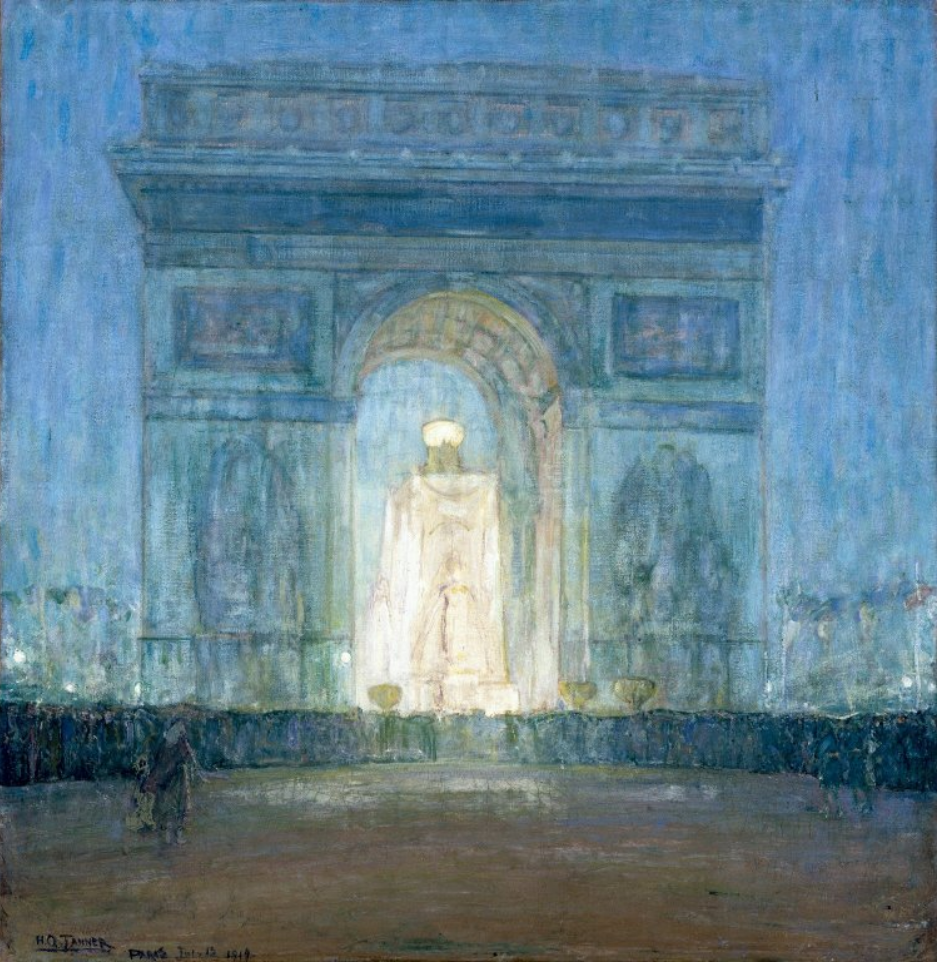
Artist Henry Ossawa Tanner

This article profiles Henry Ossawa Tanner (1859–1937), the pioneering African American artist who achieved international fame in the 19th and early 20th centuries. Born in Pittsburgh to a bishop father and a mother who escaped slavery, Tanner studied under Thomas Eakins at the Pennsylvania Academy of Fine Arts before moving to Paris to escape racial discrimination. He studied at the Académie Julian, became a mentor to Black artists including Aaron Douglas and Hale Woodruff, and gained renown for his biblical paintings such as "Daniel in the Lions' Den" (1896). Tanner traveled widely—to Egypt, Morocco, and Palestine—and was named a chevalier of the French Legion of Honor in 1927. The article lists numerous works by Tanner held in major collections, including the first painting by an African American artist acquired for the White House Collection.