

filter_list Showing 3 results for "Pino Pascali" close Clear
search
dashboard All 3 museum exhibitions 2article news 1
date_range Range Today This Week This Month All
Subscribe

Mario Schifano, the artist who anticipated Arte Povera and beyond. What the exhibition in Rome looks like

The Palazzo delle Esposizioni in Rome has opened a major retrospective of Mario Schifano, curated by Daniela Lancioni and titled simply "Mario Schifano," running until July 12. The exhibition reconstructs the career of the Italian artist (1934–1998), who worked across painting, film, and music, and highlights his role as a precursor to Arte Povera. A centerpiece is the reconstructed dining room Schifano created for the Rome home of Marella and Gianni Agnelli in 1968, featuring 14 canvases and a planned but unrealized sand-filled room with a pyramid, a detail revealed by film producer Ettore Rosboch in a conversation with the curator.
Dahiye, il quartiere di Beirut che non esiste quasi più. Nelle foto di un artista italiano

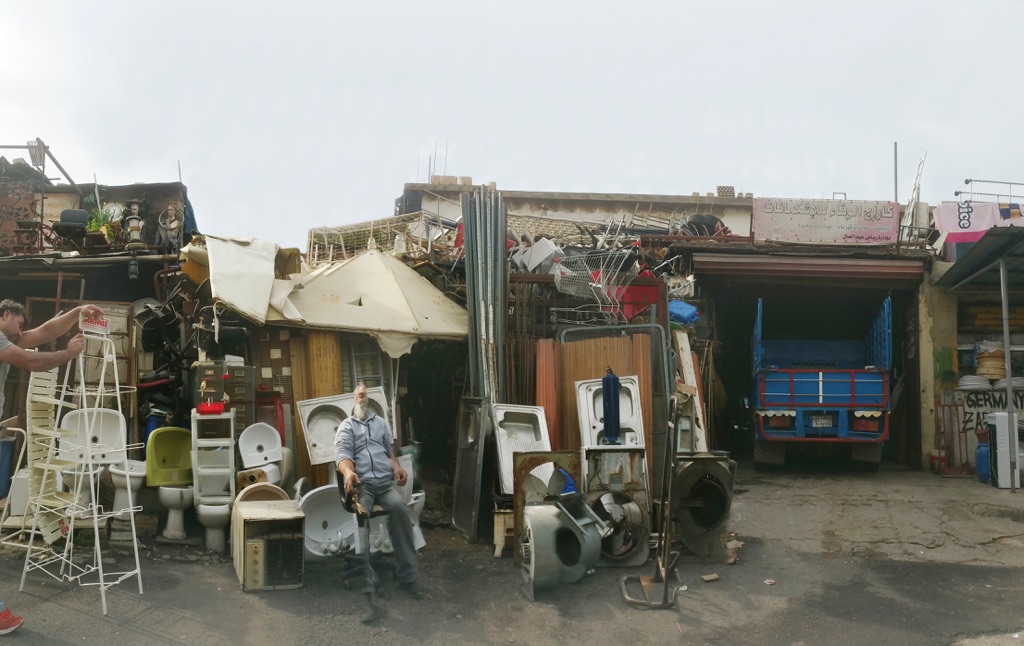
Italian photographer Armando Perna (born 1981 in Reggio Calabria) has documented Dahiye, a southern suburb of Beirut known as Hezbollah's stronghold, using a digital camera hidden inside a car and controlled remotely via Bluetooth. His project, initiated in 2013 and exhibited in 2017 at the Fondazione Pino Pascali in Polignano a Mare (Bari), creates a street-view-style mapping of a neighborhood that has been heavily bombed by Israeli forces, most recently in the past weeks. The work was promoted by Planar gallery, founded by Antonio Ottomanelli, with Perna and Anna Vasta as part of the #showcase project.

Una delle opere più importante esposte alla Galleria Nazionale di Roma sta ammuffendo

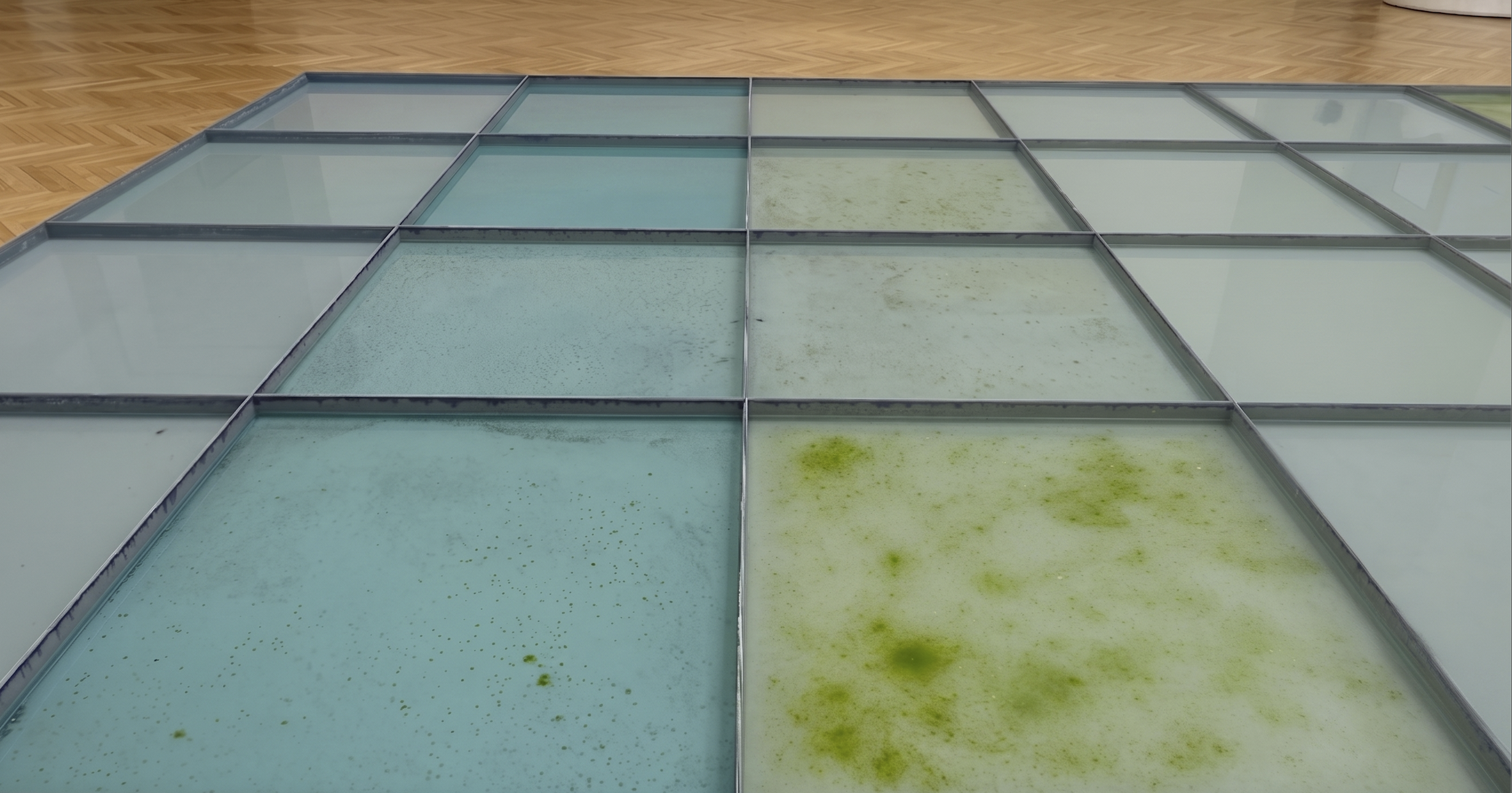
An article by Laura Carlotta Cortoni on Artribune reports that Pino Pascali's iconic 1967 work "32 mq di mare circa" ("32 square meters of sea approximately"), on display at the Galleria Nazionale d'Arte Moderna e Contemporanea (GNAMC) in Rome, is covered in mold, dust, and insects due to a total lack of maintenance. The author describes the installation as resembling a neglected warehouse and notes that visitors unfamiliar with the piece mistake the decay for an intentional environmental statement, creating a critical paradox given Pascali's own series of works titled "Muffe" (Molds).