filter_list Showing 5 results for "Sea World" close Clear
dashboard All 5 museum exhibitions 3article news 1article policy 1
date_range Range Today This Week This Month All
Subscribe

Cash-Strapped Hong Kong Arts Hub Saved—Plus a Rundown of the Latest in Asia’s Art World

Cash-Strapped Hong Kong Arts Hub Saved—Plus a Rundown of the Latest in Asia’s Art World

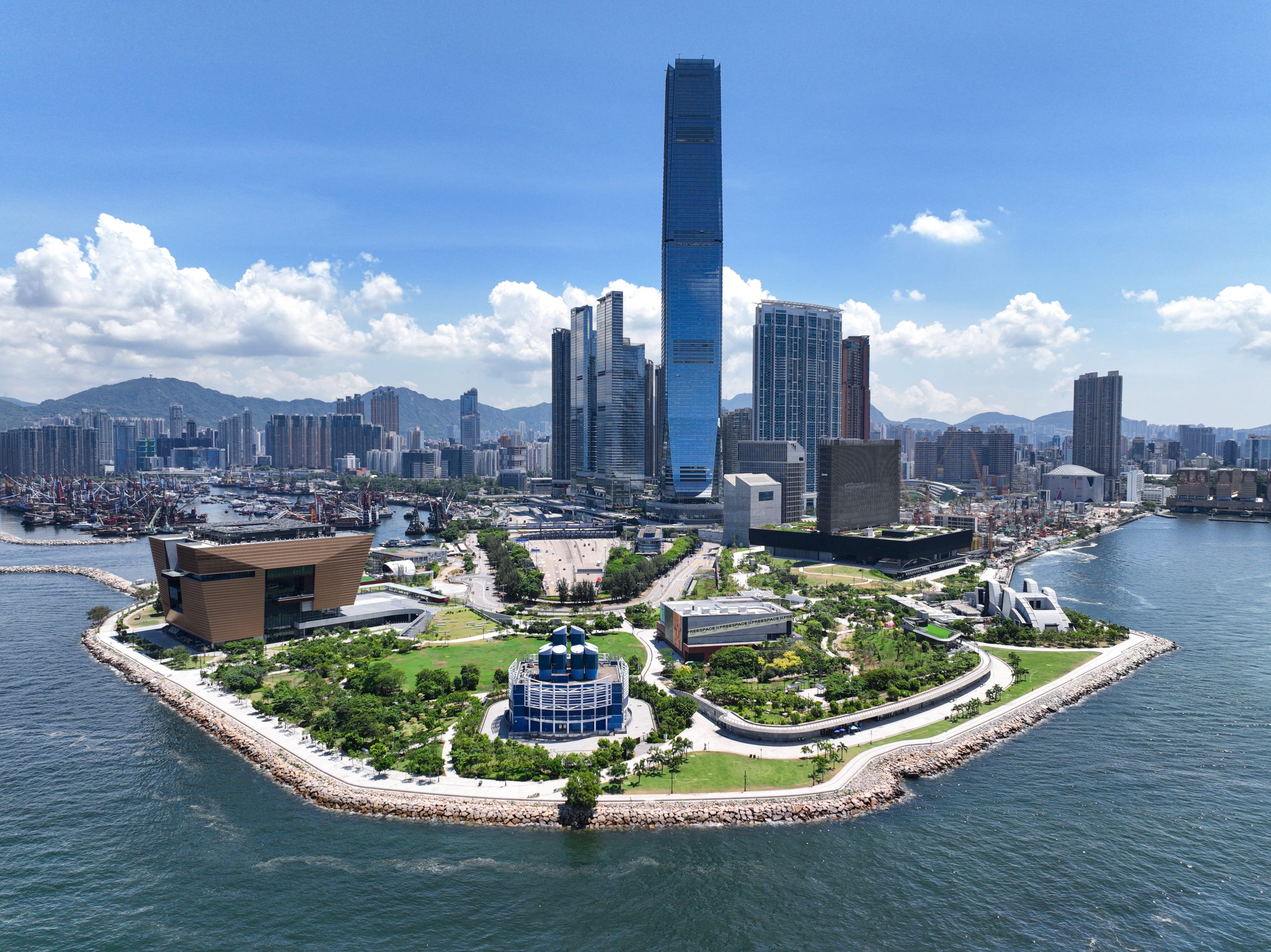
Hong Kong's financially struggling West Kowloon Cultural District, a major arts hub, has been rescued from its cash crisis. This development was part of a broader Asia art world update that also included leadership changes at Japan's Art Collaboration Kyoto and the announcement of a new art fair in Shenzhen.

Drained, Drowning, and Decay: The Best National Pavilions at the Venice Biennale

The 2026 Venice Biennale is defined by themes of ruin and decay, with standout national pavilions exploring bodily, infrastructural, and archaeological collapse. The Slovenian Pavilion features the Nonument Group repurposing materials from past Biennales into a ruin of a mosque for Bosnian Muslim soldiers from World War I. Syria presents its first national pavilion since the Civil War, with Sara Shamma invoking Palmyra, destroyed by ISIS. Germany's pavilion, titled "Ruin," features works by Henrike Naumann (who died in February) and Sung Tieu, questioning the pavilion's fascist architecture and nationalist residue. The Austrian Pavilion, curated by Florentina Holzinger, offers a visceral performance titled "Sea World." The Biennale is also marked by the abrupt resignation of its five-member jury, who refused to consider nations charged with crimes against humanity, leading to awards being chosen by public vote. Additionally, the main exhibition "In Minor Keys" was affected by the death of its curator, Koyo Kouoh.

Venice Diary Day 1: At the Giardini, Artists Refuse to Make Fascism Cozy

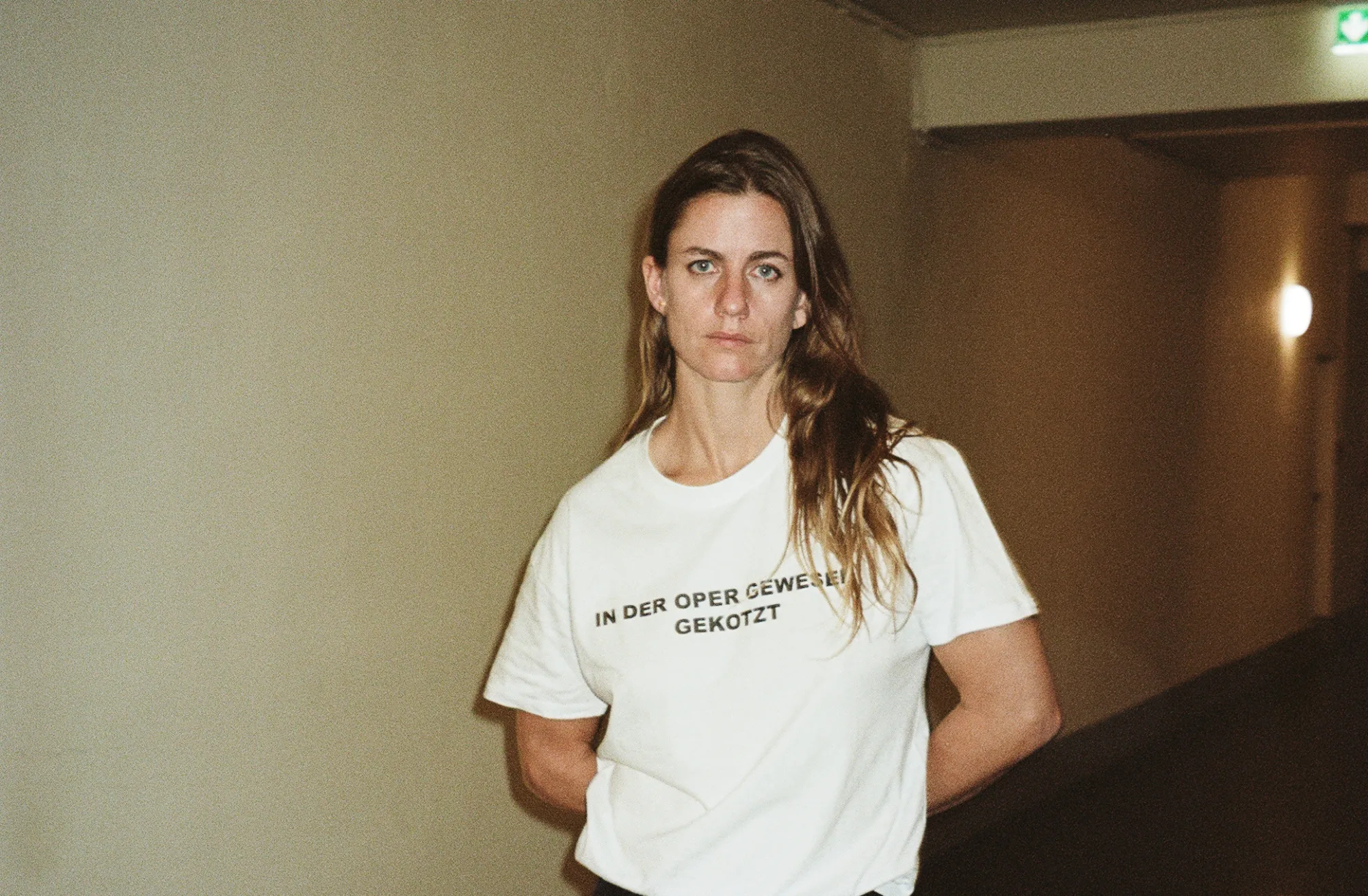
Henrike Naumann's posthumous installation at the German Pavilion, which retains its 1938 Nazi-era fascist architecture, refuses to make the space 'cozy' by adorning windows with violently ripped domestic fabrics. The 2026 Venice Biennale is the first under president Pietrangelo Buttafuoco, associated with neo-fascist politics, and is overshadowed by controversy over his 'neutrality' policy allowing all countries to participate despite human rights concerns. The exhibition jury initially announced it would not consider pavilions from countries whose leaders are charged with crimes against humanity, then abruptly quit, leaving the situation unresolved. The US Pavilion features unimpressive blobs by Alma Allen, while the Russian Pavilion offers cut flowers and free vodka, and Andreas Angelidakis responds to fascist aesthetics at the Greek Pavilion.

China’s Tech Capital Wants to Be an Art Hub, Too

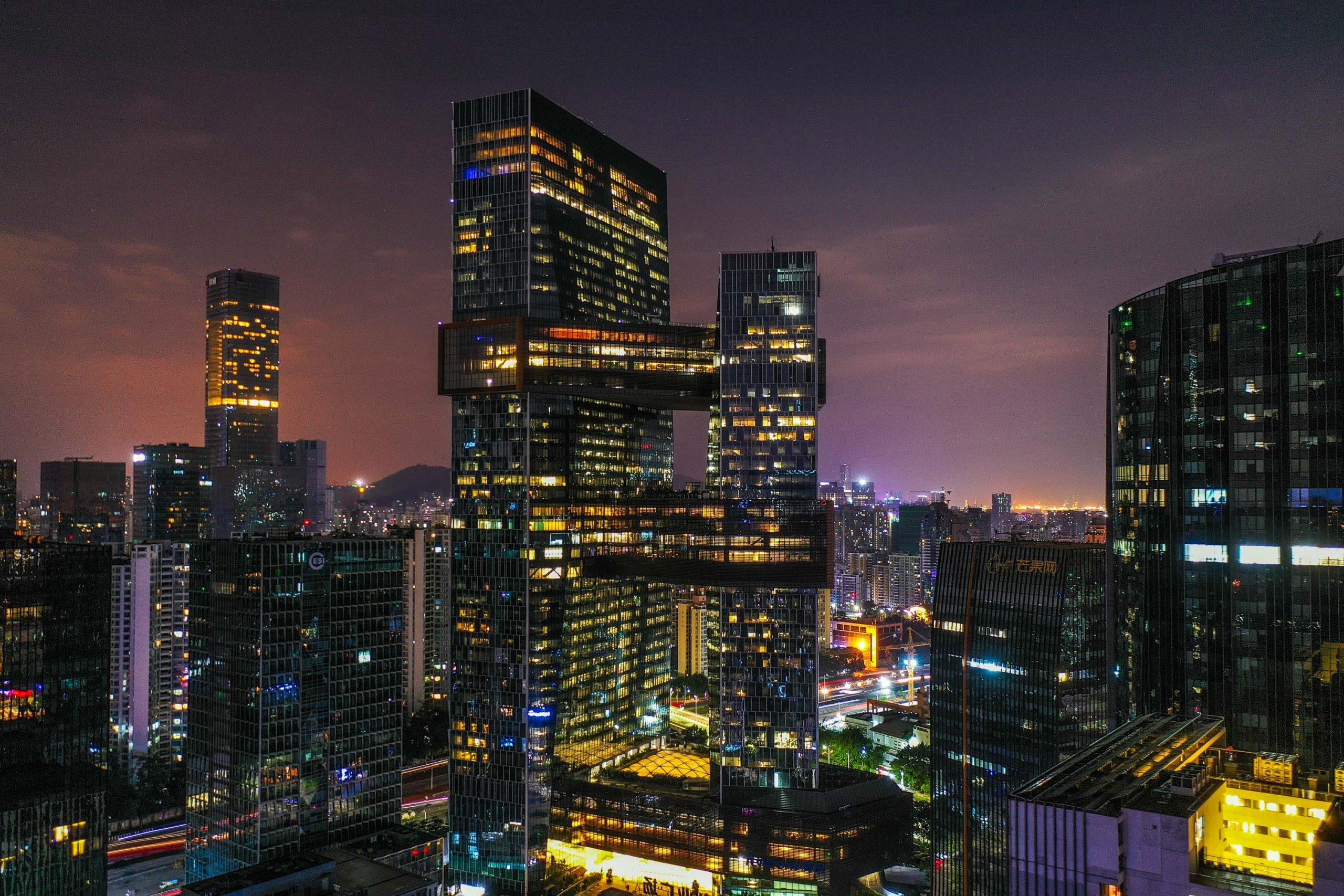
Shenzhen, China's major technology hub, is making a concerted push to become a significant player in the art world. The city began 2025 with major announcements from tech giants JD.com and Tencent, which are establishing new art museums in the city, appointing prominent directors Robin Peckham and Pi Li to lead them. This follows years of building cultural infrastructure, including the OCAT museum, the Sea World Culture and Arts Center, and the growth of local art fairs like Art Shenzhen.

The Austrian Pavilion at the Biennale brings performances and installations around the Venice Lagoon

Il Padiglione Austria in Biennale porta performance e installazioni in giro per la Laguna di Venezia

Austrian artist and choreographer Florentina Holzinger (Vienna, 1986) will represent Austria at the 61st International Art Exhibition of the Venice Biennale with a project titled "SeaWorld Venice." Curated by Nora-Swantje Almes, the interdisciplinary initiative combines a permanent installation at the Austrian Pavilion with a series of site-specific performances and actions spread across Venice and its lagoon. The project explores the body, water, and the tensions between nature and technology, drawing on mythological and classical imagery populated by aquatic creatures. It includes "Études," performative formats developed by Holzinger since 2020, which activate urban spaces through participatory and immersive experiences, engaging both spectators and citizens.