filter_list Showing 9 results for "Seated Man With a Cane" close Clear
dashboard All 9 gavel restitution 7article news 2
date_range Range Today This Week This Month All
Subscribe

The Art World This Week: Nazi-Looted Modigliani Reclaimed, Kengo Kuma to Design National Gallery Wing, Seoul’s Centre Pompidou to Open in June, and More

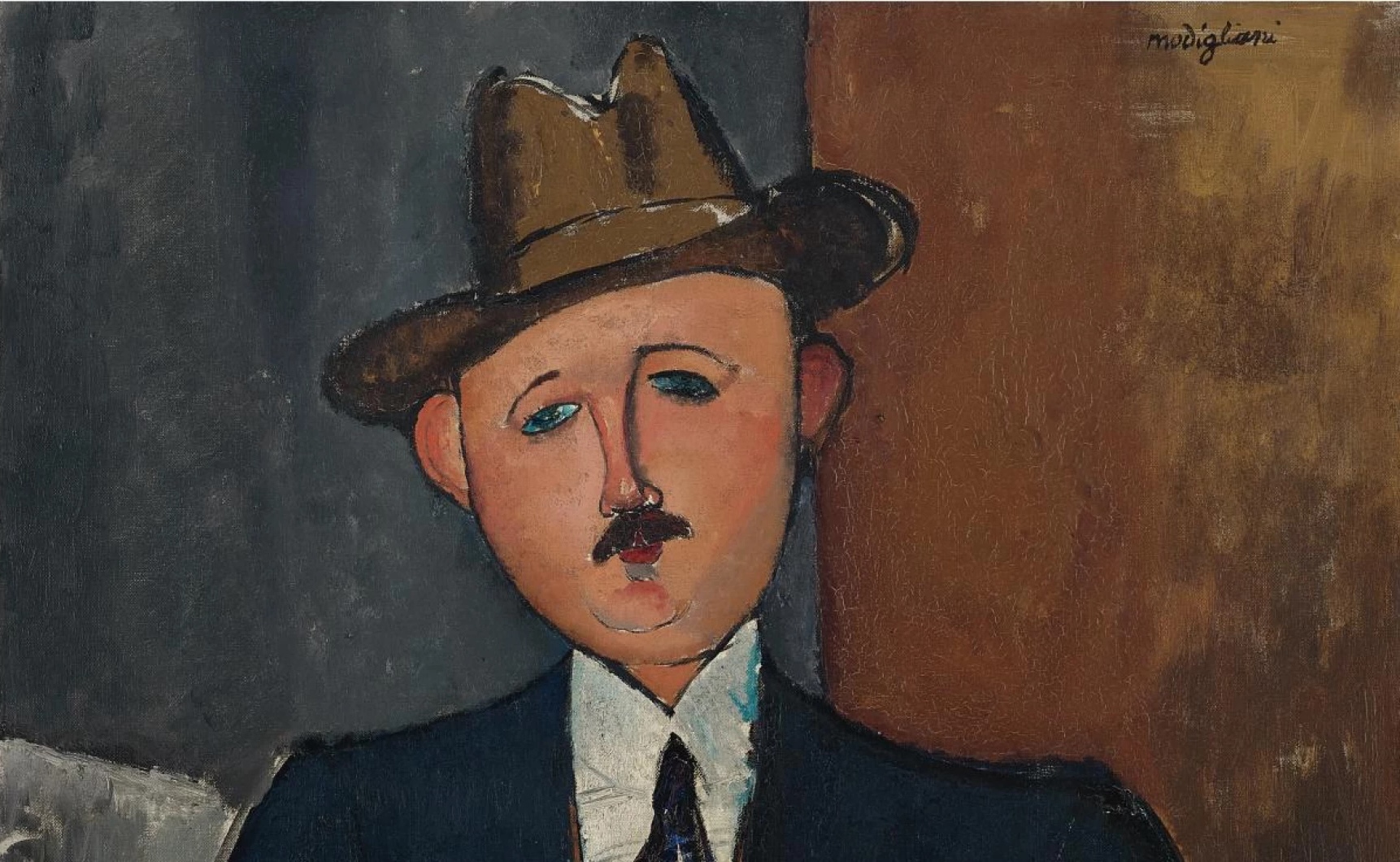
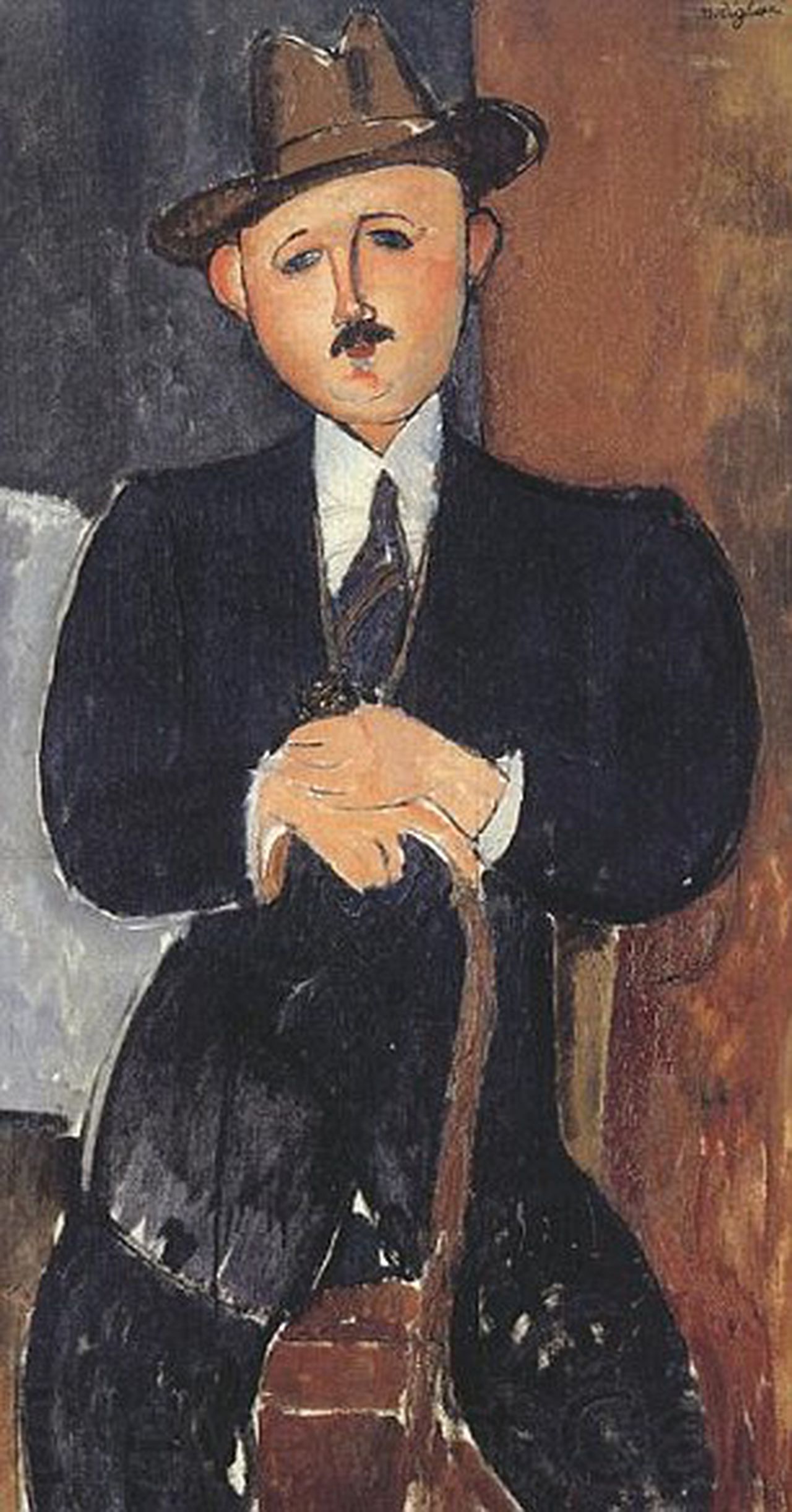
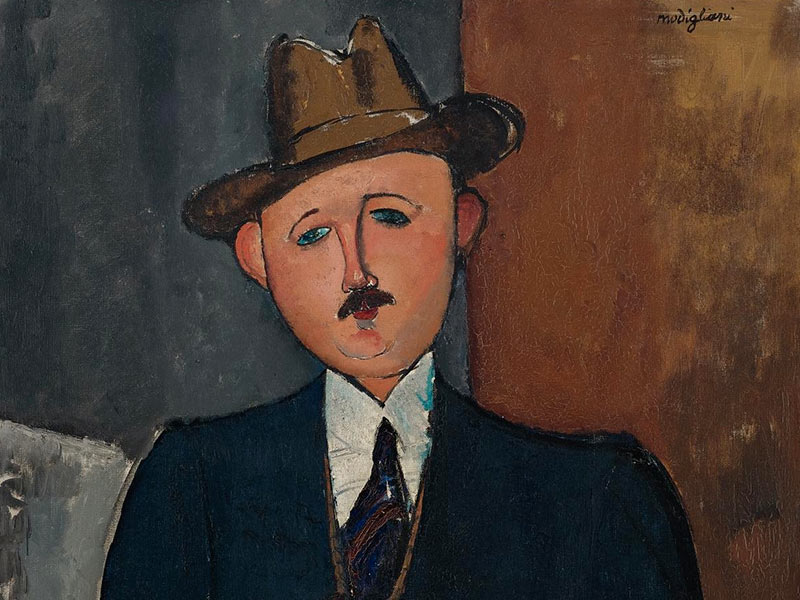
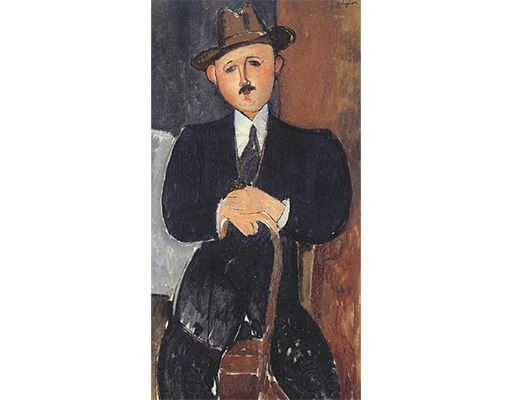
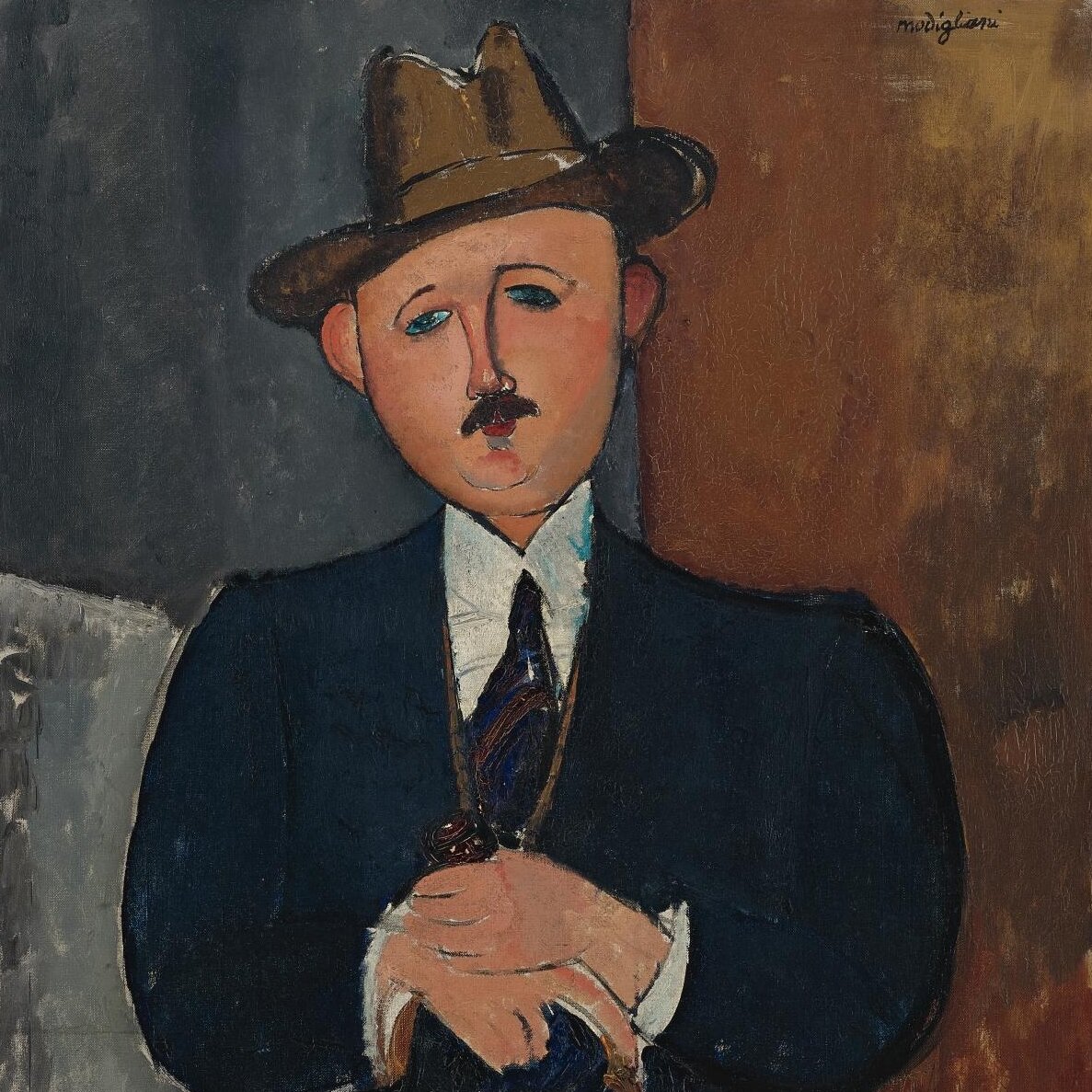
The art world saw several major developments this week, headlined by a significant legal ruling regarding Amedeo Modigliani’s 'Seated Man with a Cane' (1918). A judge ruled against a holding company controlled by billionaire dealer David Nahmad, moving the Nazi-looted masterpiece closer to reclamation. Meanwhile, institutional expansions took center stage with Kengo Kuma being selected to design a new wing for London’s National Gallery, and the Centre Pompidou Hanwha in Seoul confirming a June 4 opening date.

One of the Greatest Photographic Documents of the 20th Century

"Eines der größten fotografischen Dokumente des 20. Jahrhunderts"

A New York court has concluded an eleven-year legal battle by awarding Amedeo Modigliani’s 'Seated Man with a Cane' to the heirs of Jewish art dealer Oscar Stettiner. The ruling rejected the claims of the powerful Nahmad family, with the judge determining that Stettiner never voluntarily relinquished the work during the Nazi era. Additionally, a significant photographic archive belonging to darkroom technician Roland Haupt has surfaced, containing previously unseen World War II images by Lee Miller and Cecil Beaton.

After 11 Years in Court, Heir Reclaims a Modigliani Looted by the Nazis

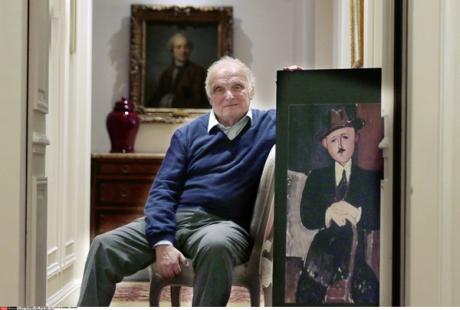
A French court has ordered the restitution of a 1918 Amedeo Modigliani painting, "Seated Man with a Cane," to the heir of its original Jewish owner. The artwork was looted by the Nazis in 1944 and had been held for decades by a holding company controlled by billionaire art dealer David Nahmad, who purchased it at auction in 1996.

Nahmad Seeks to Reopen Modigliani Restitution Case With New Witnesses

David Nahmad's lawyers are asking a New York court to reconsider its April 3 decision in the restitution case over Amedeo Modigliani's *Seated Man with a Cane* (1918), which awarded the painting to the estate of dealer Oscar Stettiner. They cite new eyewitness testimony from Frédéric Allain, who recalls a different Modigliani—smaller, darker, and without a seated man or cane—hidden by the Van der Klip family in Paris during World War II, suggesting the wrong painting may have been the focus of the case. The filing also references a 1946 report describing the missing work as a self-portrait and a new catalogue raisonné by Marc Restellini that finds no link between the painting and Stettiner. Mondex, representing Stettiner's heirs, rejects the claims, asserting that *Seated Man with a Cane* bears Stettiner's name and was in the family's possession from 1944 to 1996.

David Nahmad maintains that his Modigliani was not looted by the Nazis

David Nahmad is continuing his legal battle to prove that his Modigliani painting, *Seated Man with a Cane* (1918), was not looted by the Nazis from the Jewish dealer Oscar Stettiner. Despite a recent New York ruling against him, Nahmad’s lawyers have filed a motion to review the case based on new eyewitness testimony. Two witnesses claim the painting they saw in the Van der Klip family—which bought the Nazi-looted work in 1944—is completely different from Nahmad’s painting, lacking a seated man or a cane. Nahmad’s legal team also cites a 1946 French bailiff report and a recent catalogue raisonné by Marc Restellini to argue that Mondex, the restitution firm working for Stettiner’s heirs, misidentified the work.

$25 Million Modigliani Goes to Jewish Heir in Landmark Restitution Case

A New York Supreme Court judge has ruled that the estate of Jewish art dealer Oscar Stettiner is the rightful owner of Amedeo Modigliani’s 1918 painting "Seated Man With a Cane." The decision concludes an 11-year legal battle led by Stettiner’s grandson, Philippe Maestracci, against billionaire art dealer David Nahmad. The court found that the painting was unlawfully seized by the Nazis after Stettiner fled Paris in 1939 and that subsequent sales, including the 1996 purchase by Nahmad at Christie’s, did not extinguish the original owner's rights.

nahmad lawsuit nazi looted modigliani 372020

The estate of Jewish art dealer Oscar Stettiner has filed a new lawsuit in the New York State Supreme Court against the Nahmad family, seeking the restitution of Amedeo Modigliani’s 1918 painting "Seated Man With a Cane." The suit alleges that the $25 million portrait was looted by the Nazis in Paris and is currently held by the International Art Center, which the plaintiffs claim is a shell company controlled by the Nahmads. This legal action follows a 2012 dismissal of a similar claim by Stettiner’s grandson, Philippe Maestracci, due to a lack of standing.

david nahmad denies modigliani nazi loot 517082

Art collector David Nahmad has publicly denied allegations that Amedeo Modigliani’s "Seated Man with a Cane" (1918) is Nazi-looted property. Following revelations from the Panama Papers that Nahmad is the true owner of the painting via the International Art Center, he defended his provenance, claiming the work sought by the heirs of Jewish art dealer Oscar Stettiner is a different painting entirely. Nahmad asserted that if the work is definitively proven to be looted, he will return it, but he currently maintains that the historical documentation regarding a 1944 sale at Drouot refers to a self-portrait, not the work in his possession.

New York Court Orders Restitution of a Modigliani to the Oscar Stettiner Estate

La justice new-yorkaise ordonne la restitution d’un Modigliani à la succession d’Oscar Stettiner

A New York court has ordered the restitution of Amedeo Modigliani’s 1918 painting 'Seated Man with a Cane' to the heirs of Oscar Stettiner, a Jewish art dealer. The work was seized during the Nazi occupation of Paris and sold at a forced auction in 1944 before eventually being purchased by the billionaire Nahmad family via an offshore company in 1996. Judge Joel M. Cohen ruled that the evidence of Stettiner’s prior ownership was "unusually strong" and dismissed the defense's claims that the painting was a different version or that the claim was filed too late.