filter_list Showing 10 results for "Spanish civil war" close Clear
dashboard All 10 gavel restitution 5article news 2museum exhibitions 2article culture 1
date_range Range Today This Week This Month All
Subscribe

joan miro constellations 3 things to know 2027830

Spanish Surrealist Joan Miró created the "Constellations" series of 23 paintings on paper between January 1940 and September 1941, during the turmoil of the Spanish Civil War and World War II. Fleeing to Normandy and later Palma de Mallorca, Miró used oil and tempera on small sheets, producing joyful, abstract works filled with floating forms reminiscent of music and the cosmos. The series was shipped to New York in 1944 and exhibited in 1945 at Pierre Matisse's gallery, where it captivated exiled European artists and may have influenced Jackson Pollock's all-over drip painting style.
Spain’s Culture Minister Rejects Guernica Transfer, but Basque Leaders Refuse to Take No for an Answer

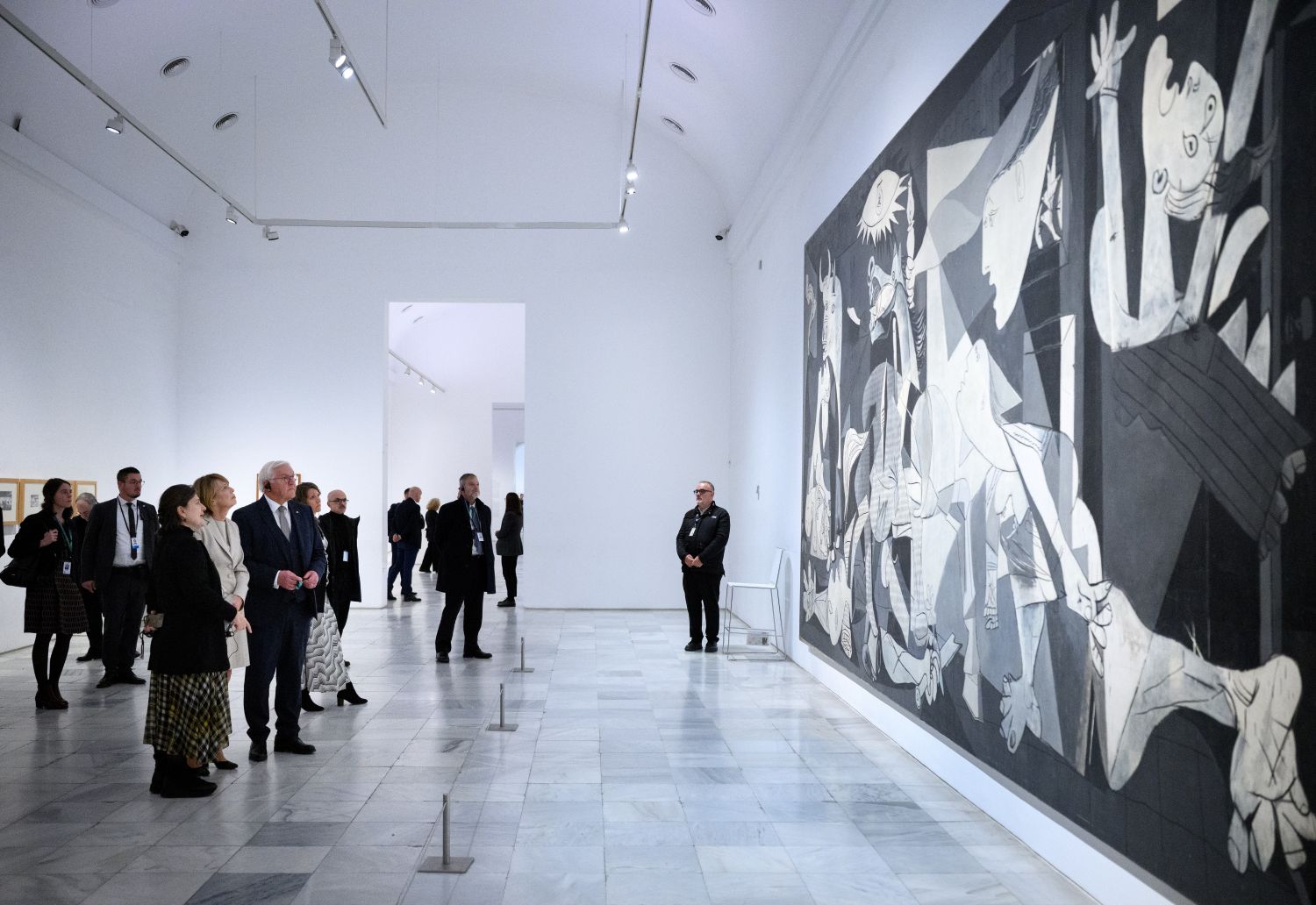
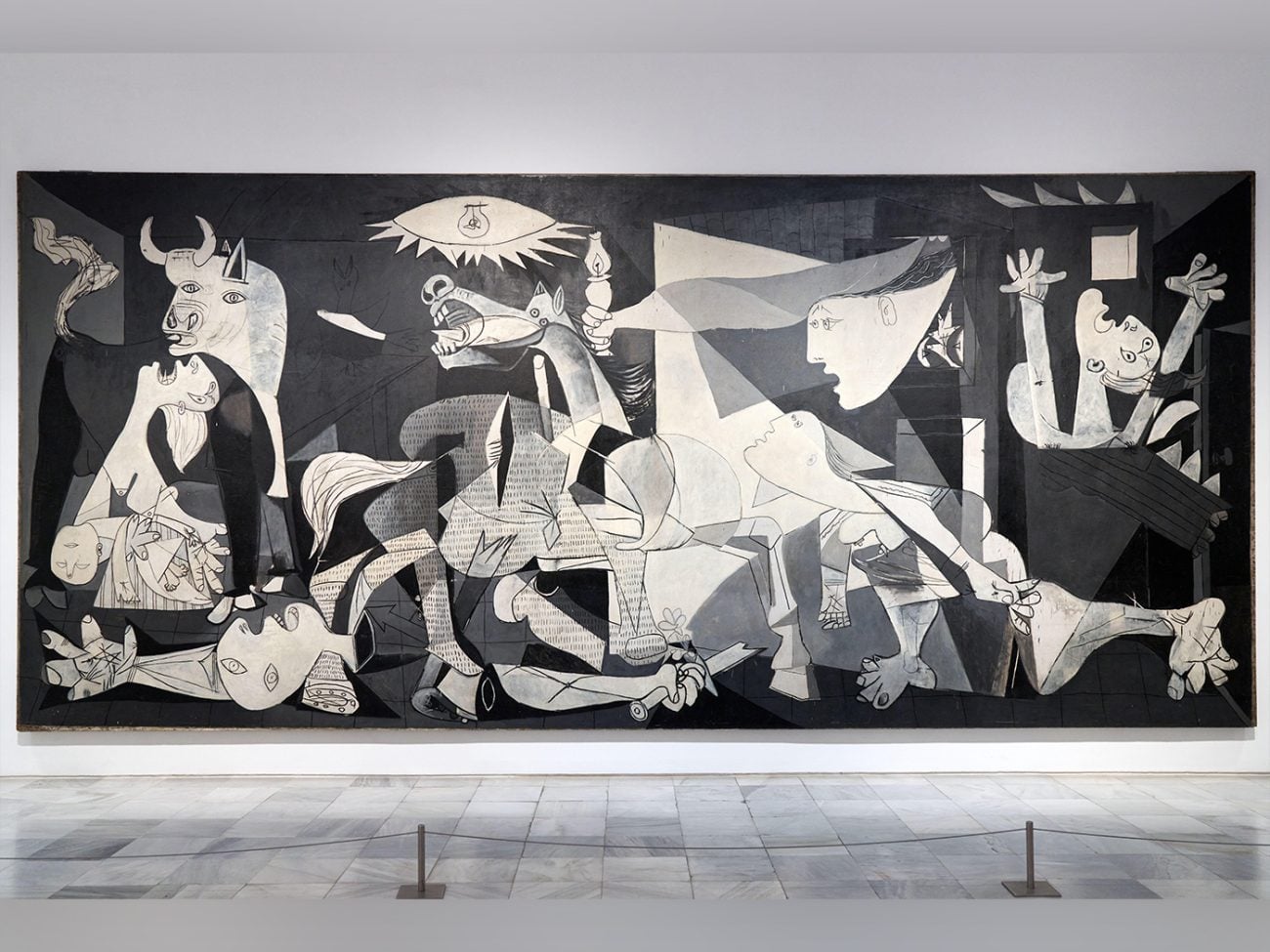
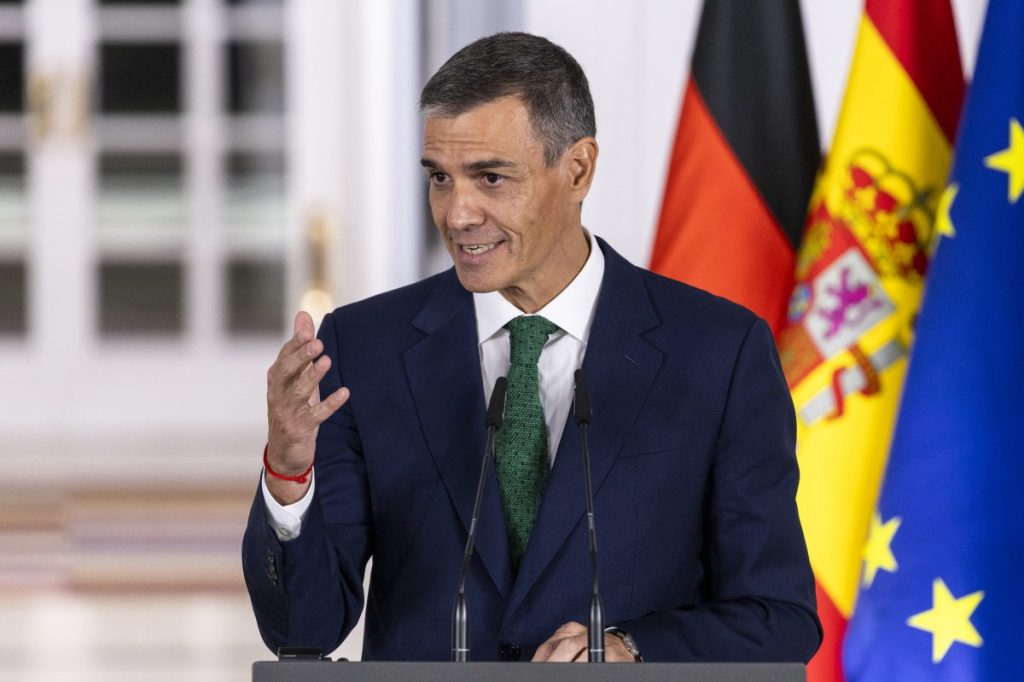
Spain’s Culture Minister, Ernest Urtasun, has officially rejected a request from the Basque regional government to temporarily transfer Pablo Picasso’s iconic painting, Guernica, to the Guggenheim Museum Bilbao. Citing conservation reports from the Museo Reina Sofía, Urtasun argued that the 1937 masterpiece is too fragile to travel and that his primary duty is to preserve the work for future generations. Basque leaders, led by Lehendakari Imanol Pradales and Senator Igotz López, have challenged this decision, calling for an independent feasibility study and appealing directly to Prime Minister Pedro Sánchez.

franco regime censored robert motherwell painting moma show 1234768998

Newly uncovered documents from the Museum of Modern Art’s archives confirm that the Franco regime in Spain attempted to censor Robert Motherwell’s painting *Elegy to the Spanish Republic No. 35* (1954–58) before its scheduled 1958 exhibition in Madrid. The painting was part of MoMA’s traveling show “The New American Painting,” which introduced Abstract Expressionism to Europe. Spanish authorities demanded Motherwell remove the phrase “Spanish Republic” from the title, but the artist refused, leading to the work’s exclusion from the exhibition. The documents, reviewed by *El País*, also reveal that Catalan artist Antoni Tàpies boycotted state-sanctioned shows, calling the regime’s cultural propaganda “scandalous.”

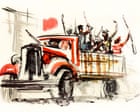
Sketches of Spain at arms: Sim, the anarchist illustrator who drew the civil war from the frontline

The Guardian reports on José Luis Rey Vila, known as Sim, an anarchist illustrator who documented the Spanish Civil War from the frontlines in Catalonia. His bold, colorful sketches captured street battles, militias, nurses, and milicianas, and were widely reproduced in booklets and exhibitions, raising international awareness before Picasso's Guernica. After the war, Sim fell into obscurity and died in near-anonymity in 1983. Now, on the 90th anniversary of the conflict, Barcelona's Museu Nacional d'Art de Catalunya (MNAC) is exhibiting 40 recently acquired Sim illustrations, highlighting his role as a key visual chronicler of the conflict.

Where Does "Guernica" Belong?

Wohin gehört "Guernica"?

Basque Prime Minister Imanol Pradales has formally requested the temporary transfer of Pablo Picasso’s masterpiece "Guernica" from Madrid to the Basque Country. The proposal seeks to exhibit the monumental 1937 anti-war painting at the Guggenheim Museum Bilbao for nine months starting in late 2026 to coincide with the 90th anniversary of the town's bombing. While the work depicts the destruction of the Basque town of Gernika by Nazi and Italian fascist forces, it has resided at the Museo Reina Sofía in Madrid since 1992.

“Guernica” Tears Spain Apart: Madrid Refuses to Loan Picasso’s Painting to the Basque Country

« Guernica » déchire l’Espagne : Madrid refuse le prêt du tableau de Picasso au Pays basque

The Spanish government and the Reina Sofía Museum have rejected a request from the Basque regional government to loan Pablo Picasso’s masterpiece, "Guernica," to the Guggenheim Bilbao. The proposed loan was intended to mark the 90th anniversary of the 1937 bombing of the town of Guernica during the Spanish Civil War. While Madrid cites the painting's extreme physical fragility as the reason for the refusal, the decision has sparked a heated political row, exacerbated by derogatory comments from Madrid’s regional president, Isabel Díaz Ayuso.

is spains sistine chapel of romanesque art at risk 2656768

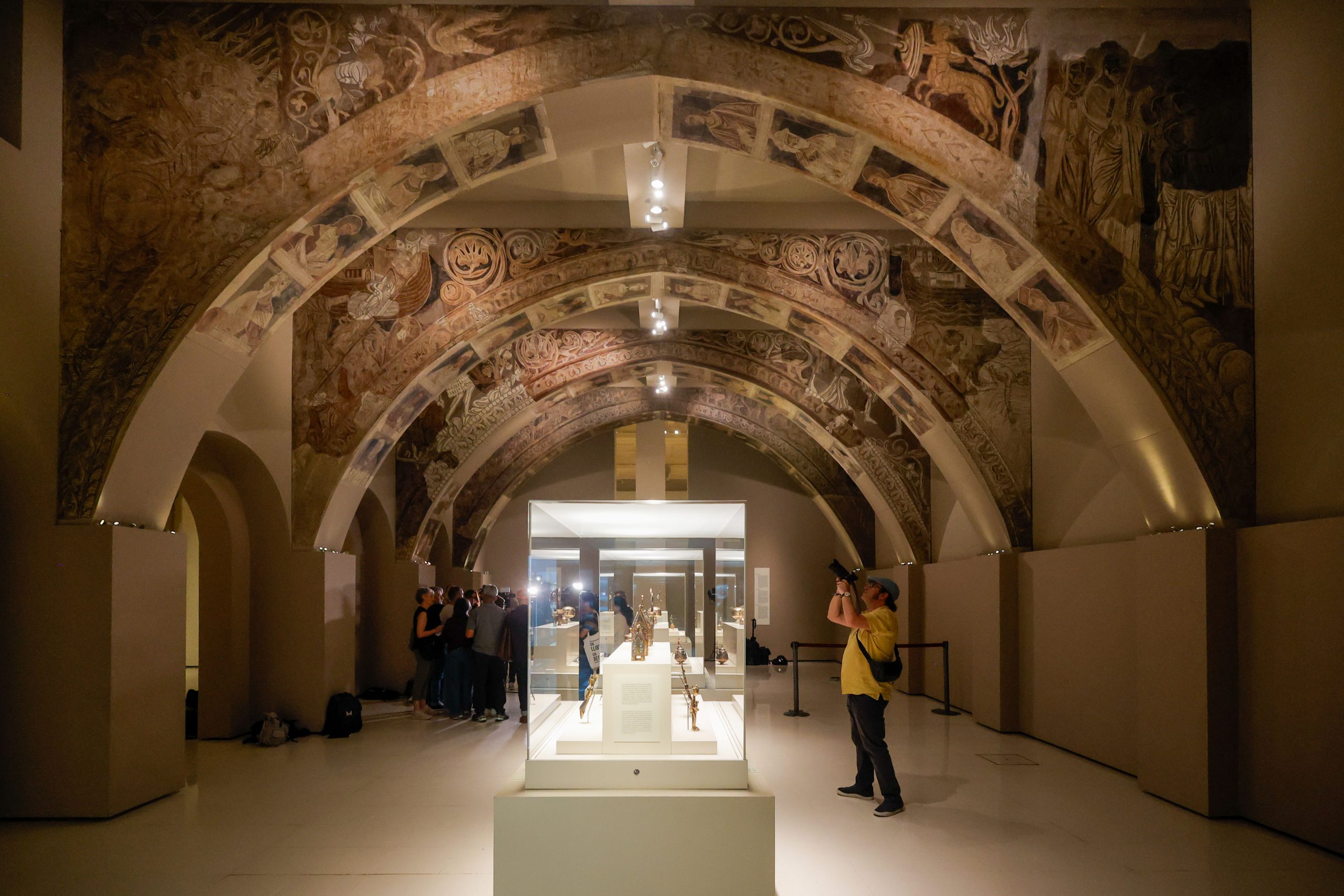
The Spanish Supreme Court has ordered the return of the Sijena Murals, 12th-century Romanesque frescoes known as the "Sistine Chapel of Romanesque Art," from the National Art Museum of Catalonia (MNAC) in Barcelona to their original monastery in Huesca, Aragon, by June 25. However, the MNAC is resisting the move, arguing that transporting the fragile, fire-damaged murals poses a "real risk of irreparable damage." The museum has requested more information about the destination and conditions at the Sijena monastery, and has suggested a longer timeline for the return of particularly delicate sections, while the Sijena City Council has proposed installing the works elsewhere if necessary.

protest sparks over sijena murals 1234748359

A small protest of fewer than 50 demonstrators, organized by the Catalan National Assembly and joined by former Catalan president Laura Borràs and ANC president Lluís Llach, gathered outside the National Art Museum of Catalonia (MNAC) on Monday morning as Aragonese technicians arrived to inspect a set of contested 13th-century Romanesque murals. The murals, originally from the Sijena Monastery, were ordered returned by Spain’s Supreme Court after more than a decade of litigation, concluding that the original religious order never lawfully transferred ownership after the works were removed in 1936 following a fire during the Spanish Civil War. The inspection team, led by restorer Natalia Martínez de Pisón, began with less fragile sections using photogrammetry to assess transport viability, while MNAC officials warn that moving the more delicate frescoes could cause irreversible damage and plan to formally contest the execution order on conservation grounds.

Comrades in art: meet the artists who fought against fascism

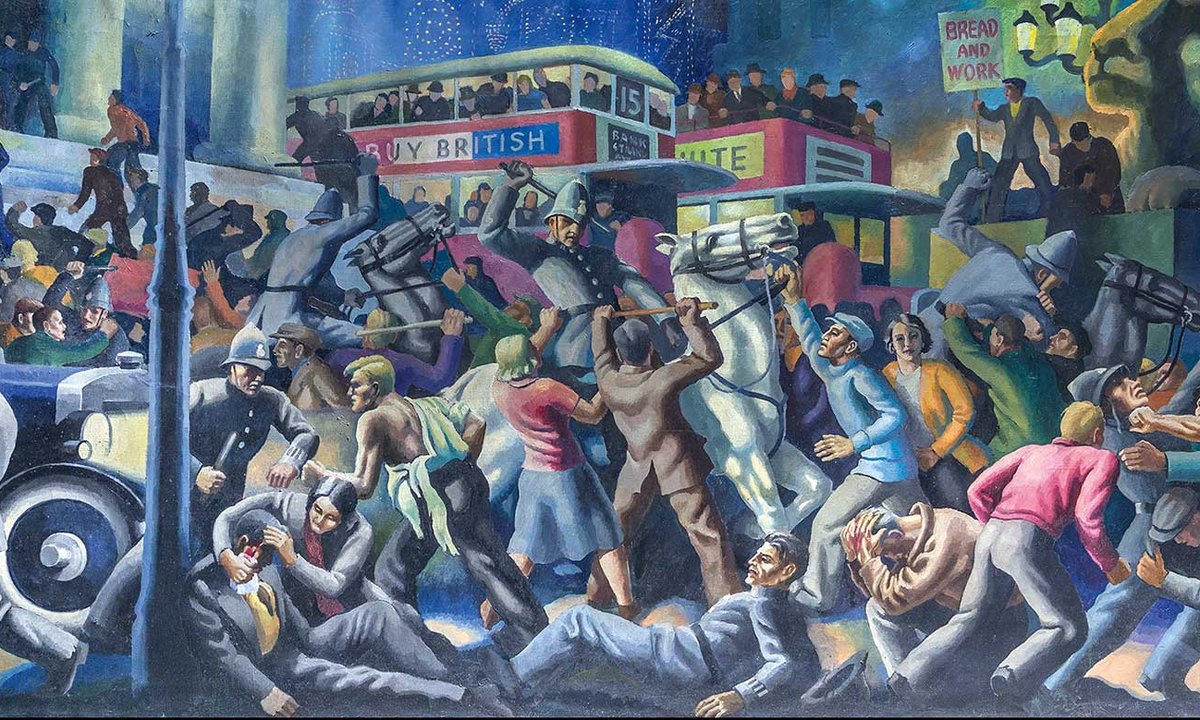
Andy Friend's book "Comrades in Art" chronicles the founding and first decade of the Artists International Association (AIA), a radical union of artists established in London in the 1930s. The AIA, born from a belief in art's power to revolutionize society, grew from a small group of mostly underemployed communist-affiliated commercial artists into a popular front against fascism and war, eventually including over 1,000 members such as Henry Moore and Paul Nash. The book focuses on lesser-known figures like Felicia Browne, the first British female combatant killed in the Spanish Civil War.

romanesque murals return sijena monastery court ruling 1234747979

Spain's Supreme Court has ruled that 13th-century Romanesque murals removed from the Sijena Monastery during the Spanish Civil War must be returned to their original home in Aragon. The artworks have been housed at the National Art Museum of Catalonia (MNAC) since 1936, after a fire gutted the monastery's chapter house. The ruling dismisses previous agreements that Catalan authorities claimed legitimized their custody, finding that the Sijena religious order never ceded ownership. The decision caps over a decade of legal battles and jurisdictional disputes between Aragon and Catalonia.