filter_list Showing 8 results for "Spanish civil war" close Clear
search
dashboard All 8 museum exhibitions 4gavel restitution 3article culture 1
date_range Range Today This Week This Month All
Subscribe

Still in 'war mode': Tehran Museum of Contemporary Art reopens with exhibitions about conflict

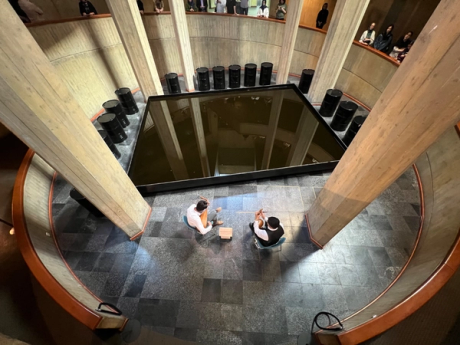
The Tehran Museum of Contemporary Art (TMoCA) has reopened with a weekly rotating post-ceasefire program called 'Art and War,' following weeks of bombardment that forced its closure and prompted emergency efforts to protect its collection. The program began with works by American Pop artists James Rosenquist, Roy Lichtenstein, and Robert Indiana, and this week features three works from Pablo Picasso's Weeping Woman series, focusing on Spain. Museum director Reza Dabirinezhad described the challenges of safeguarding the collection during US-Israeli strikes, including removing 80% of the oil from Noriyuki Haraguchi's installation 'Matter and Mind' (1977) to prevent fire risk, and protecting outdoor sculptures by Henry Moore, René Magritte, and Max Bill.
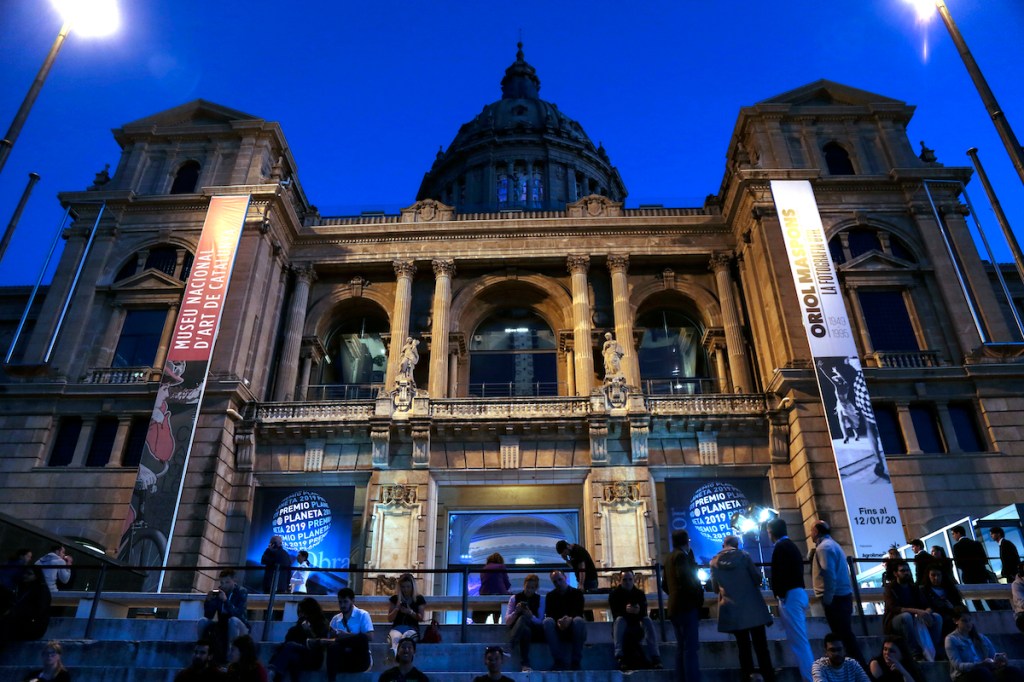
Sketches of Spain at arms: Sim, the anarchist illustrator who drew the civil war from the frontline

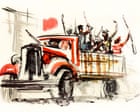
The Guardian reports on José Luis Rey Vila, known as Sim, an anarchist illustrator who documented the Spanish Civil War from the frontlines in Catalonia. His bold, colorful sketches captured street battles, militias, nurses, and milicianas, and were widely reproduced in booklets and exhibitions, raising international awareness before Picasso's Guernica. After the war, Sim fell into obscurity and died in near-anonymity in 1983. Now, on the 90th anniversary of the conflict, Barcelona's Museu Nacional d'Art de Catalunya (MNAC) is exhibiting 40 recently acquired Sim illustrations, highlighting his role as a key visual chronicler of the conflict.

The fate of 'Guernica', a political icon born under bombs, traced in virtual reality at the Musée Picasso

Le destin de « Guernica », icône politique née sous les bombes, retracé en réalité virtuelle au musée Picasso

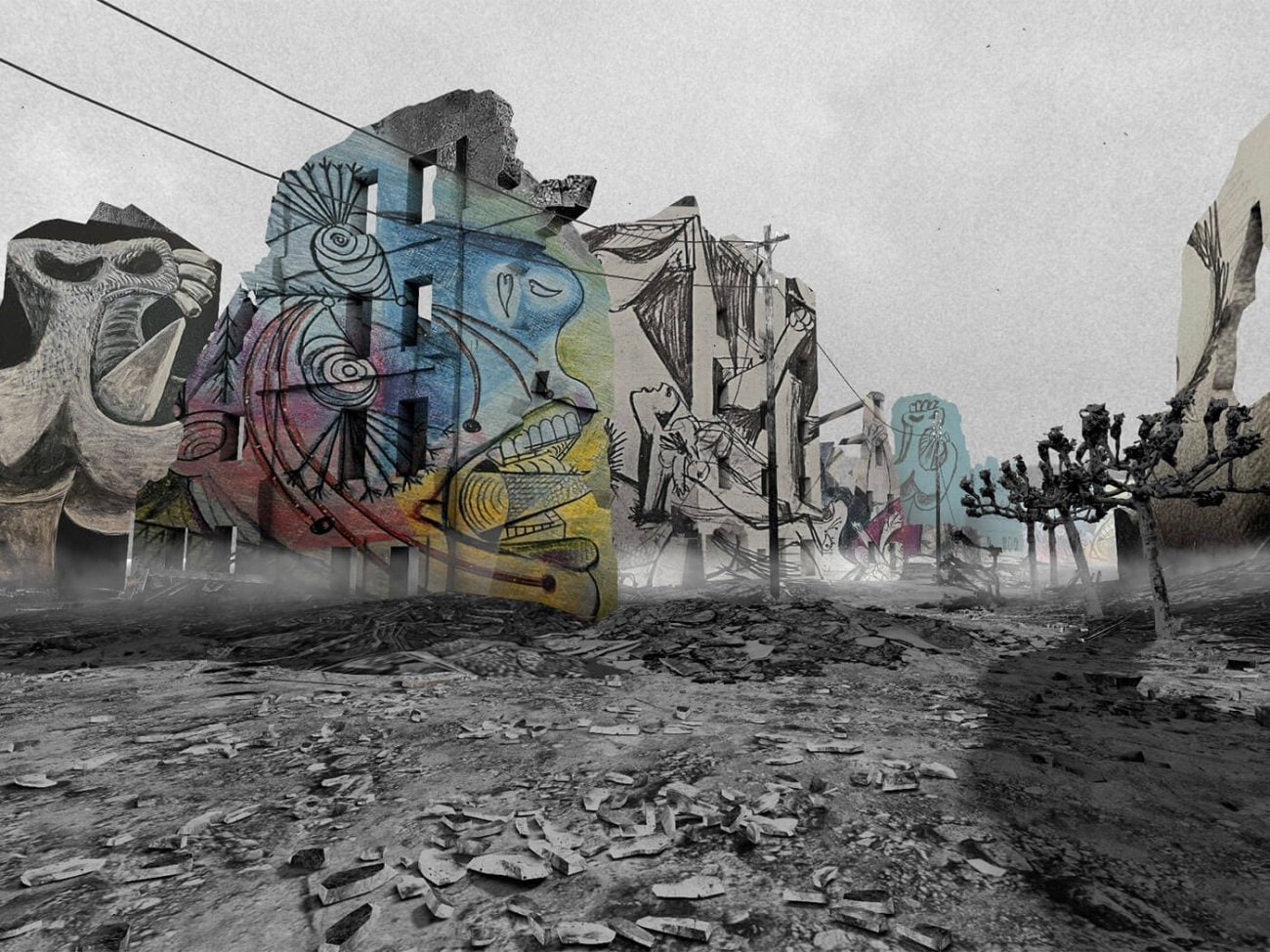
The Musée Picasso-Paris is launching a virtual reality experience that traces the epic journey of Pablo Picasso's "Guernica," one of the most iconic political paintings of the 20th century. Guided by the voices of writer Juan Larrea and photographer Dora Maar, visitors are transported to Picasso's Paris studio and the bombed ruins of Gernika, reliving the creation of the masterpiece commissioned for the Spanish Republic's pavilion at the 1937 International Exposition in Paris. The VR experience covers the painting's genesis, its global tour, and its eventual exile at MoMA in New York until 1981.

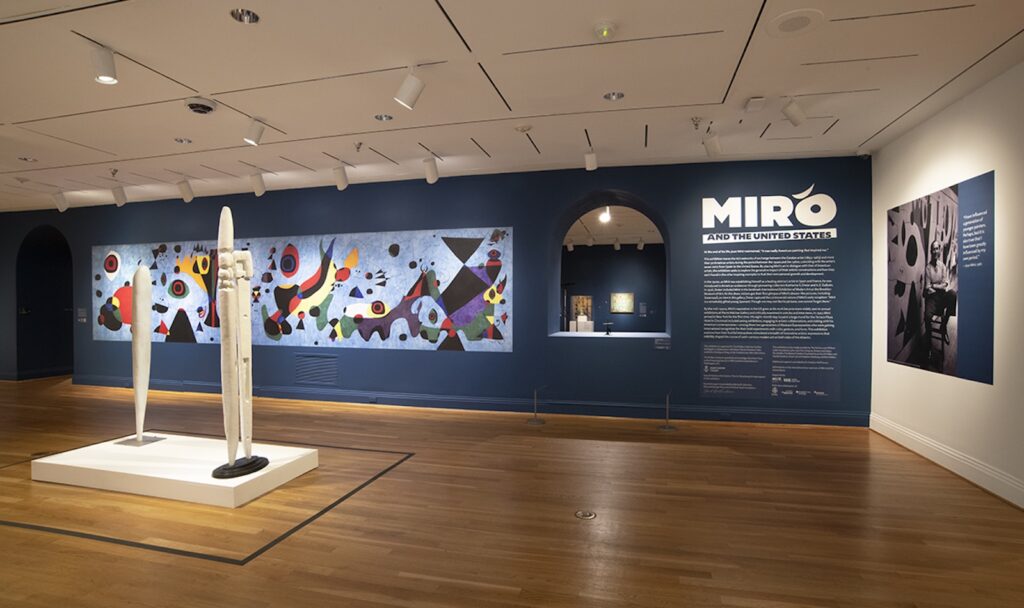
Phillips Collection’s new ‘Miró and the United States’ exhibit focuses on transatlantic cultural exchange rather than conflict

The Phillips Collection in Washington, D.C., has opened a new exhibition titled 'Miró and the United States,' curated by Elsa Smithgall. The show features 75 works by Joan Miró alongside pieces by more than 30 other artists, including Alexander Calder, Rufino Tamayo, and Arshile Gorky. Rather than framing the relationship as a cultural clash between European modernism and American art, the exhibition emphasizes transatlantic artistic exchange during the mid-20th century, particularly in the shadow of World War II and the Spanish Civil War. Key works include Miró's 'Constellations' series and 'Still Life with Old Shoe' (1937), which are presented in dialogue with American contemporaries who responded to his visual language.

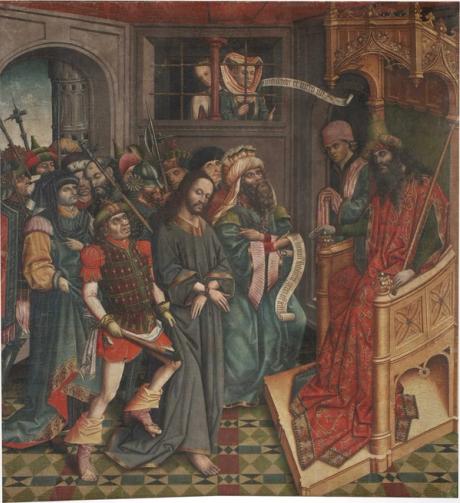
Fifty years after Franco, Spain begins to give back art seized during the Civil War

A 2022 Spanish law has quietly triggered a wave of restitutions of art looted during the Spanish Civil War, more than 50 years after dictator Francisco Franco's death. The Museo del Prado has identified 166 confiscated artworks in its collection, including works by Joaquín Sorolla and Pedro Atanasio Bocanegra, and has begun returning pieces such as a panel painting by Maestro de Lupiana to the parish of Yebes. Scholar Arturo Colorado Castellary has uncovered over 26,000 confiscated objects, with around a third never returned to their owners, many deposited in museums, churches, and public administrations.

‘It’s a world heritage site, but it’s my home’: the last resident of Casa Milà on life in Gaudí’s masterwork

Ana Viladomiu, a 70-year-old writer, is the last remaining tenant of Antoni Gaudí’s Casa Milà (La Pedrera) in Barcelona, a UNESCO World Heritage site that receives about a million visitors annually. She has lived in the luminous apartment since 1988, originally moving in with her then-husband Fernando Amat, owner of the iconic design store Vinçon. Viladomiu holds a rare renta antigua (fixed-rent contract) that allows her to stay until she or Amat dies, after which the not-for-profit foundation managing the building will take ownership. The rest of the building now houses offices and cultural event spaces.

Catalonia Sues Aragón for €791,000 for Repayment Over Restitution of 56 Artworks

The Catalan government has formally demanded €791,000 (approximately $920,000) from the Aragonese government to recoup costs related to the value and upkeep of 56 artworks from the Royal Monastery of Santa María de Sigena. The works were removed from the monastery in 1936 for safekeeping during the Spanish Civil War, and Spain's Supreme Court ruled in 2021 that they must be returned to Aragón. Of the 56 pieces, 12 were held at the National Art Museum of Catalonia and 44 at the Diocesan Museum of Lleida. The Catalan government has given Aragón 30 days to negotiate a settlement before returning to court.

Condemned by Francoism, a writer rehabilitated by the Spanish Congress

Condamné par le franquisme, un écrivain réhabilité par le Congrès espagnol

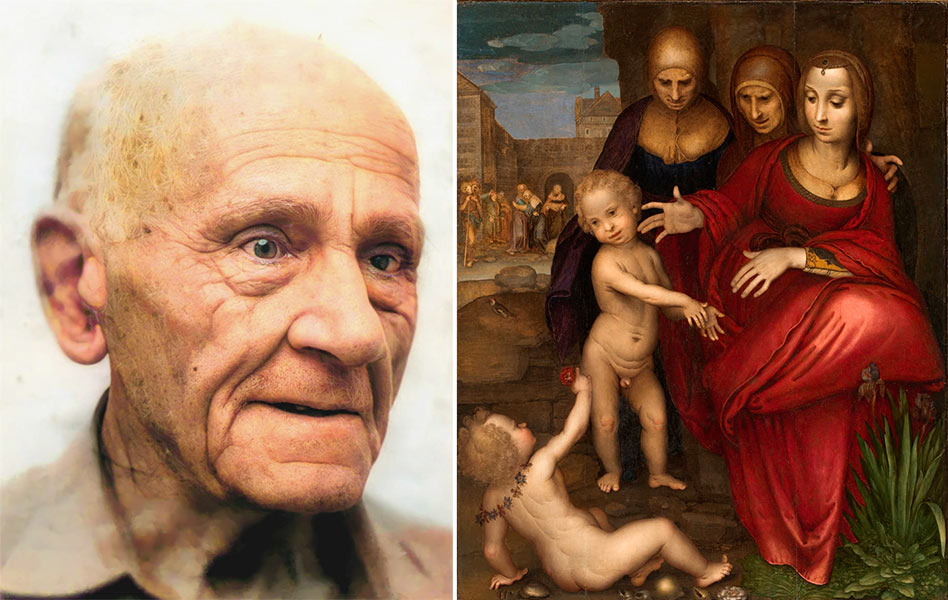
The Spanish Congress has officially rehabilitated Cipriano Salvador (1894-1975), a Republican intellectual wrongly accused by the Franco regime of stealing a Renaissance painting he actually saved. During the Spanish Civil War, Salvador hid Fernando Yáñez's "La Santa Generación" (c. 1525-1532) from destruction. After Franco's victory, a priest sold the work to the Prado Museum for 15,000 pesetas, while Salvador was arrested, sentenced to death (later commuted to 30 years), and spent seven years in prison. He died in 1975 without exoneration. The rehabilitation motion passed with 32 votes in favor, 3 against, and 1 abstention, with only far-right party Vox opposing.