
filter_list Showing 3 results for "Stanford University Libraries" close Clear
dashboard All 3 museum exhibitions 2article news 1
date_range Range Today This Week This Month All
Subscribe

Exhibition spotlights civic engagement of artists

The Cantor Arts Center at Stanford University has opened a new iteration of its Archive Rooms series, featuring two concurrent exhibitions: "Archive Room: Ester Hernandez" and "Archive Room: Ruth Asawa." The Hernandez exhibition showcases seldom-exhibited artwork, ephemera, writing, and family photographs from the artist's archive, including her iconic print "Sun Mad" (1982) addressing pesticide contamination, alongside materials documenting her community-based practice and activism. The Asawa exhibition highlights her arts advocacy through teaching materials, photographs, and projects from the Alvarado School Arts Workshop, an artist-in-residence program she co-founded in 1968 that operated in 50 San Francisco public schools.
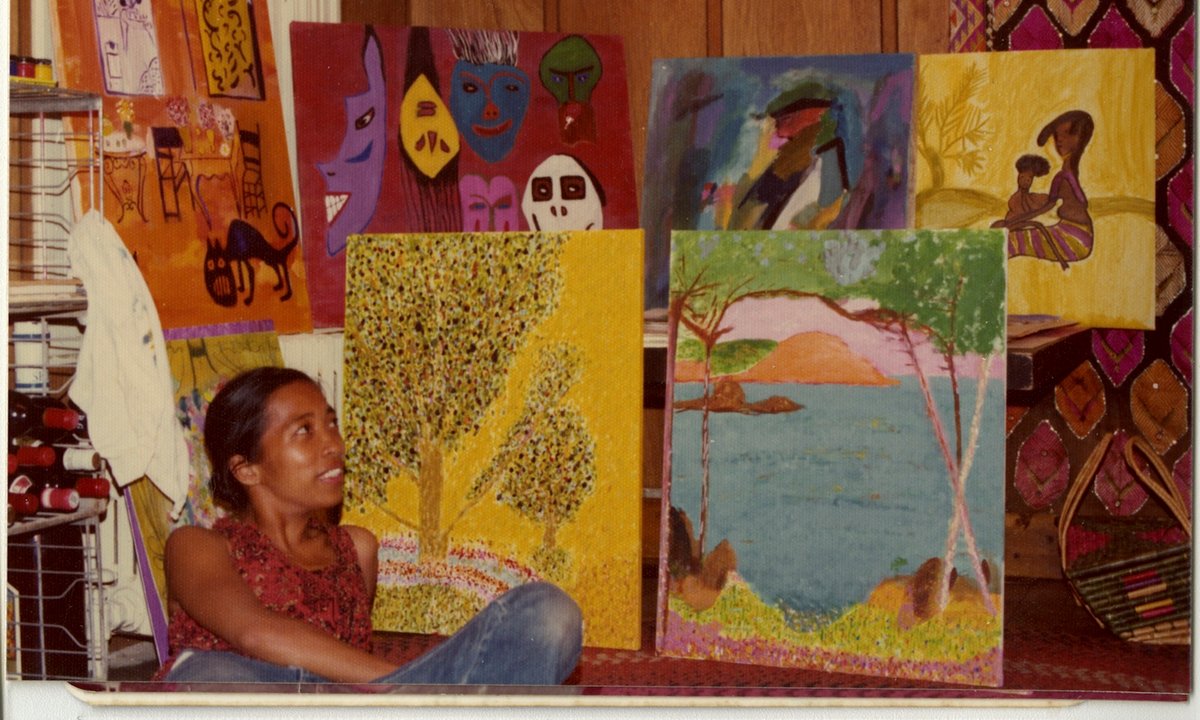

Stanford University acquires Filipina American artist Pacita Abad’s archive

Stanford University has acquired the archives of Filipina American artist Pacita Abad, a gift from the Pacita Abad Art Estate that also includes funding to catalog 120 linear feet of archival materials—photographs, correspondence, exhibition records, and personal artifacts. The archive will be stewarded by Stanford University Libraries' Bowes Art and Architecture Library in collaboration with the Cantor Arts Center, and is expected to be available to students and scholars within a year. The acquisition follows Abad's posthumous traveling retrospective that opened at the Walker Art Center in 2023, which brought her prolific 32-year practice to the attention of U.S. institutions.

With "Video Games & Music," the Philharmonie de Paris Gets Into the Game

Avec « Video Games & Music », la Philharmonie de Paris se prend au jeu

The Philharmonie de Paris has launched "Video Games & Music," an immersive exhibition exploring the history and evolution of video game music (VGM). Curated by Fanny Rebillard and Jean Zeid, the show features a non-linear scenography inspired by open-world games, incorporating 29 playable consoles, archival photography by Ira Nowinski, and contemporary art by Mounir Ayache and Invader. The exhibition traces the medium's journey from 8-bit bleeps to complex orchestral scores and its influence on club culture and mainstream pop.