filter_list Showing 13 results for "Stiftung Preußischer Kulturbesitz" close Clear
search
dashboard All 13 article news 5museum exhibitions 2candle obituary 2article policy 2article culture 1gavel restitution 1
date_range Range Today This Week This Month All
Subscribe

10 must-see exhibitions in Berlin this spring 2026

10 mostre da vedere a Berlino in questa primavera 2026

Artribune's article highlights ten must-see exhibitions in Berlin for spring 2026, curated by Nicola Violano. Key shows include Marina Abramović's "Balkan Erotic Epic" at Gropius Bau, exploring Balkan ritual, body, and sexuality; Giulia Andreani's "Sabotage" at the Nationalgalerie der Gegenwart, which uses near-monochrome painting to critique historical narratives; and Shilpa Gupta's "What Still Holds" at the same venue, reflecting on borders and fragility in dialogue with Joseph Beuys. The selection spans major museums and galleries, emphasizing conceptual depth over pure aesthetics.


museums of tomorrow roundtable 2025

The Fine Arts Museums of San Francisco (FAMSF) will host the 2025 Museums of Tomorrow Roundtable (MTR) from May 11-17, bringing together 14 global museum leaders and technology firms including Adobe, Anthropic, Bloomberg, and Salesforce. Participants include directors such as Marion Ackermann (Stiftung Preußischer Kulturbesitz), Stephanie Rosenthal (Guggenheim Abu Dhabi), Eike Schmidt (Museo di Capodimonte), Mami Kataoka (Mori Art Museum), and others, alongside Bay Area museum heads and AI artist Refik Anadol, who will speak in a free public program at the de Young Museum. The forum aims to bridge the museum and technology communities, exploring how advanced technologies can enrich operations and visitor experiences while supporting artists working with technology.

Contemporary US Art is Sick with Problems

"Die zeitgenössische US-Kunst ist von Problemen krank"

Artist Josh Kline has sparked a heated debate with a scathing critique of the American art scene, particularly targeting New York City as an unsustainable hub driven by market logic and inequality. Kline argues that contemporary art is "sick with problems" and urges young artists to abandon the city, calling for a shift from institutional critique to a broader industry-wide analysis of class and power. Meanwhile, the German art world sees significant movement with the upcoming auction of Georg Kolbe’s "Tänzerinnen-Brunnen" following a Nazi-looted art settlement, and the Berlin State Museums announcing a phased reopening of the Pergamon Altar starting in 2027.

An Old Man Whose Egoscentrism Knows No Bounds

"Ein alter Mann, dessen Ich-Sucht keine Grenzen kennt"

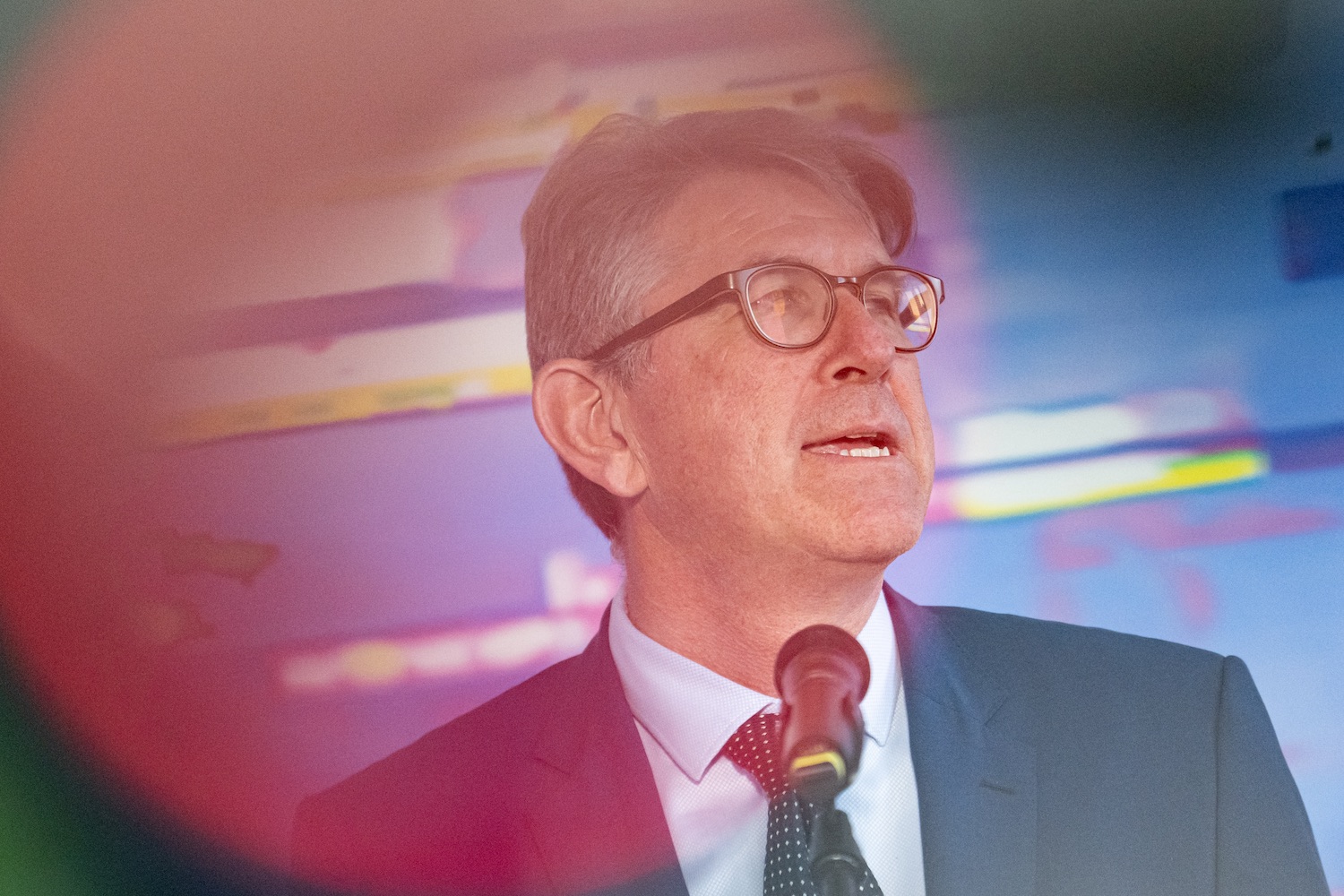
More than 30 current and former jury members of the Stiftung Kunstfonds have issued a formal protest against German Culture Minister Wolfram Weimer, accusing his office of political interference and intimidation. The controversy stems from reports that the ministry requested lists of all jury members across various art institutions and bypassed jury decisions to exclude specific recipients from awards based on intelligence service reports.

egidio marzona dead avant garde collector archive

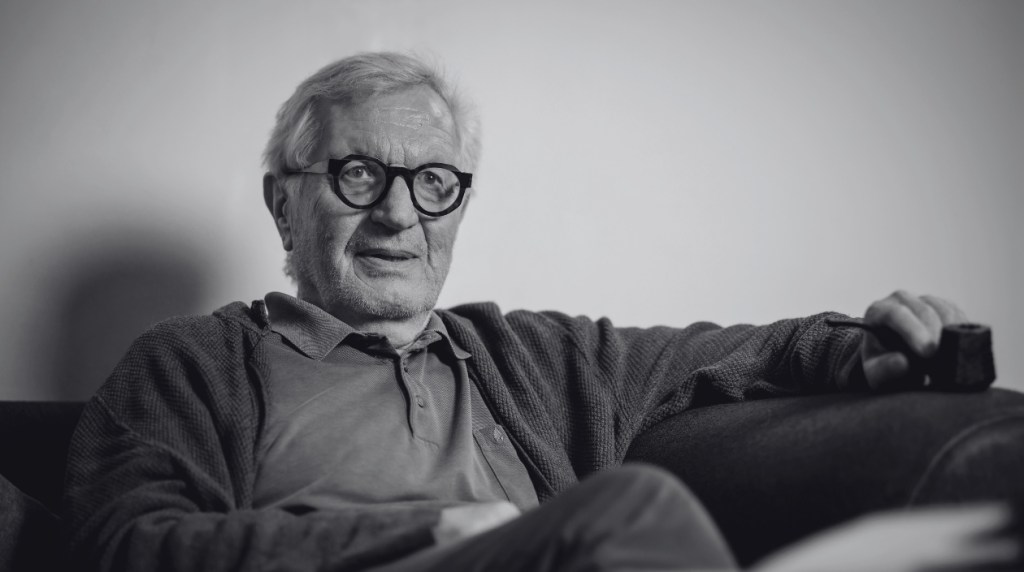
Egidio Marzona, the influential German-Italian collector, publisher, and patron, has died at the age of 81 in Berlin. Renowned for his intellectual approach to collecting, Marzona focused on the 20th-century avant-garde, including movements such as Bauhaus, Dada, Fluxus, and Arte Povera. Unlike traditional collectors, he prioritized the preservation of archives, letters, and ephemera alongside physical artworks, viewing the "paper trail of ideas" as essential to understanding artistic history.

Egidio Marzona, Collector Who Built a Monument to the Avant-Garde, Dies at 81

Egidio Marzona, the influential German-Italian collector, publisher, and patron, has died at age 81 in Berlin. His vast collection focused on 20th-century avant-garde movements, from Dada and Bauhaus to Fluxus and Arte Povera, and was distinguished by its deep archival holdings of letters, diagrams, and ephemera that documented the intellectual processes behind the art.

Modern Art and Politics in Germany 1910–1945

The article examines the complex and often fraught relationship between modern art and political power in Germany from 1910 to 1945. It details how avant-garde movements like Expressionism, Dada, and the Bauhaus initially flourished, only to be systematically suppressed and labeled "degenerate" by the Nazi regime after 1933.

Activist glues herself to museum display case

Aktivistin klebt sich an Museumsvitrine

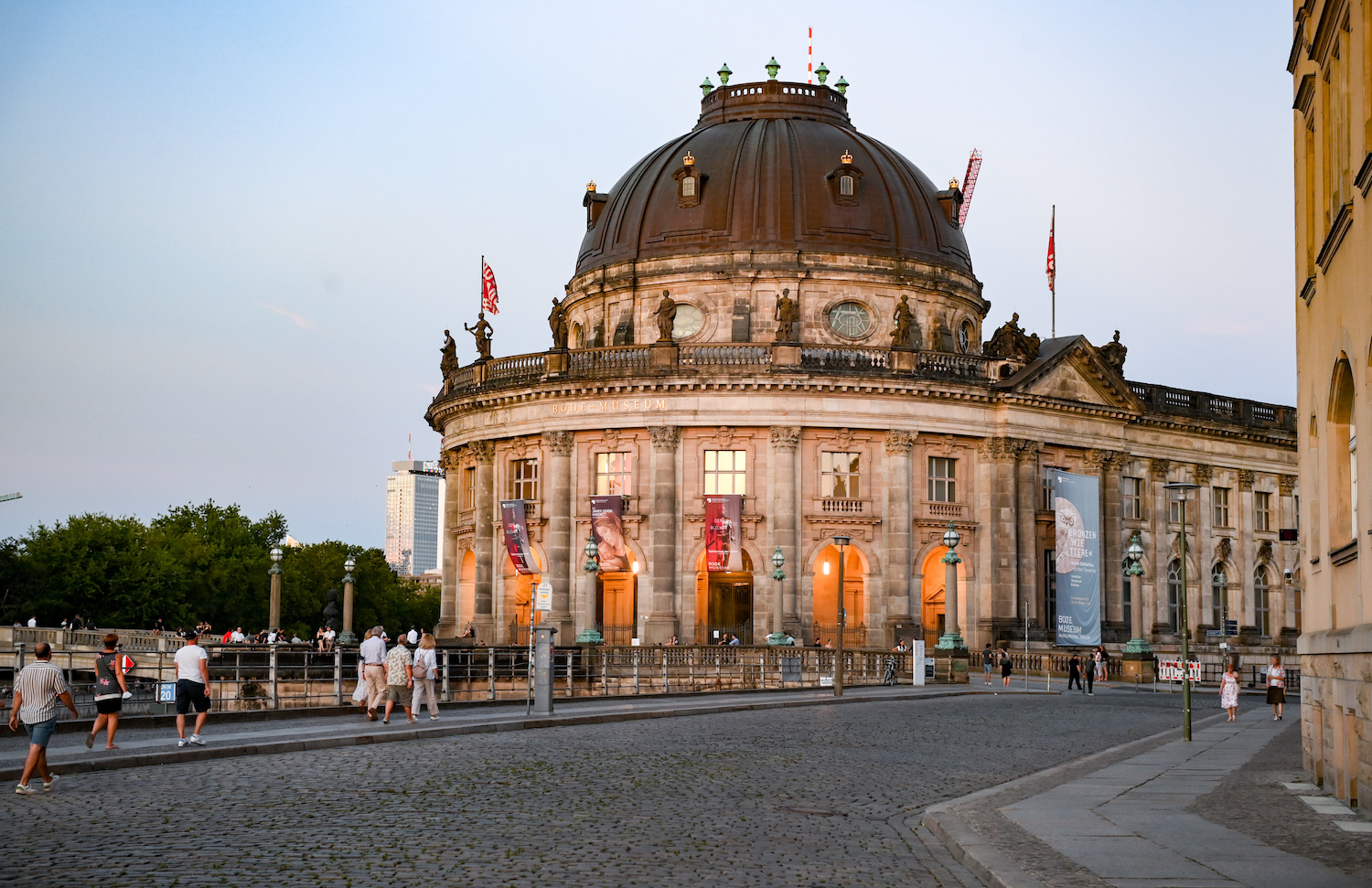
A protester from the activist group Neue Generation glued herself to a display case in the Coin Cabinet of the Bode-Museum on Berlin's Museum Island. Dressed as Federal Minister for Economic Affairs Katherina Reiche, the activist targeted the museum to protest the minister's perceived lack of independence from corporate interests. Police were called to the scene to remove the woman, and the Prussian Cultural Heritage Foundation confirmed that while the glass case was targeted, no historical artifacts were damaged.

What is Art Allowed to Do?

Was darf die Kunst?

German Minister of State for Culture Wolfram Weimer has sparked a heated debate over artistic freedom after excluding three bookstores from the German Bookstore Prize due to undisclosed intelligence reports. The controversy has escalated into a broader confrontation with cultural institutions, highlighted by the Berlin Volksbühne's public criticism and Weimer's subsequent refusal to participate in a scheduled panel discussion. This incident follows a string of high-profile disputes regarding political expression in the arts, particularly concerning the Berlinale and documenta fifteen.

Erster Teil des Pergamonmuseum öffnet im Juni 2027

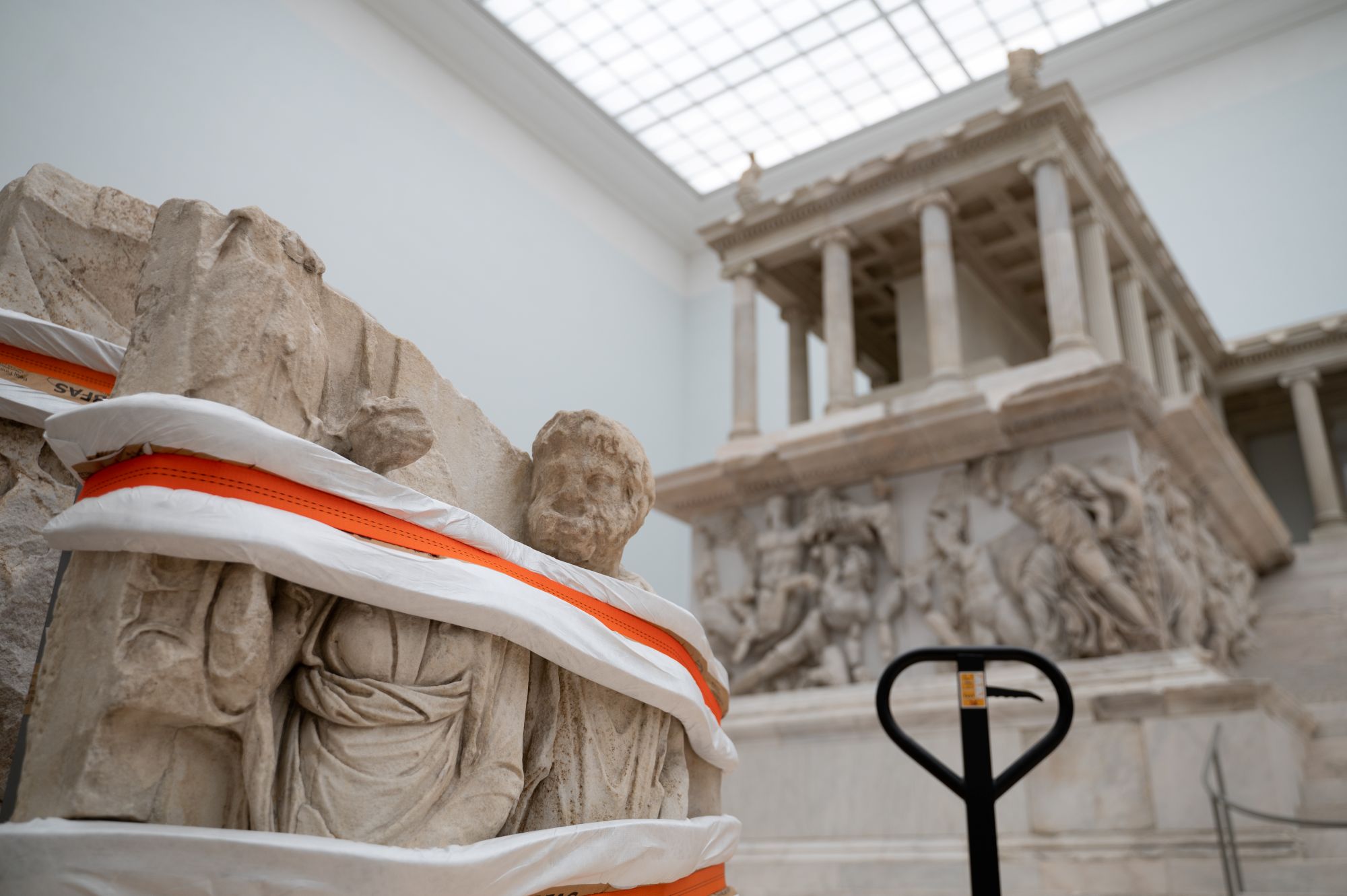
The first section of Berlin's Pergamon Museum will reopen to the public on June 4, 2027, after years of renovation. The Prussian Cultural Heritage Foundation (SPK) announced the date, ending months of uncertainty. The museum has been completely closed since autumn 2023 for comprehensive refurbishment, and the reopening will finally make the famous Pergamon Altar accessible again. However, the south wing, housing the Ishtar Gate and Babylonian Processional Way, will remain closed until 2037, with full museum access expected that year.

Berlin Modern Museum Construction Delayed Until 2030

Museumsbau Berlin Modern verzögert sich bis 2030

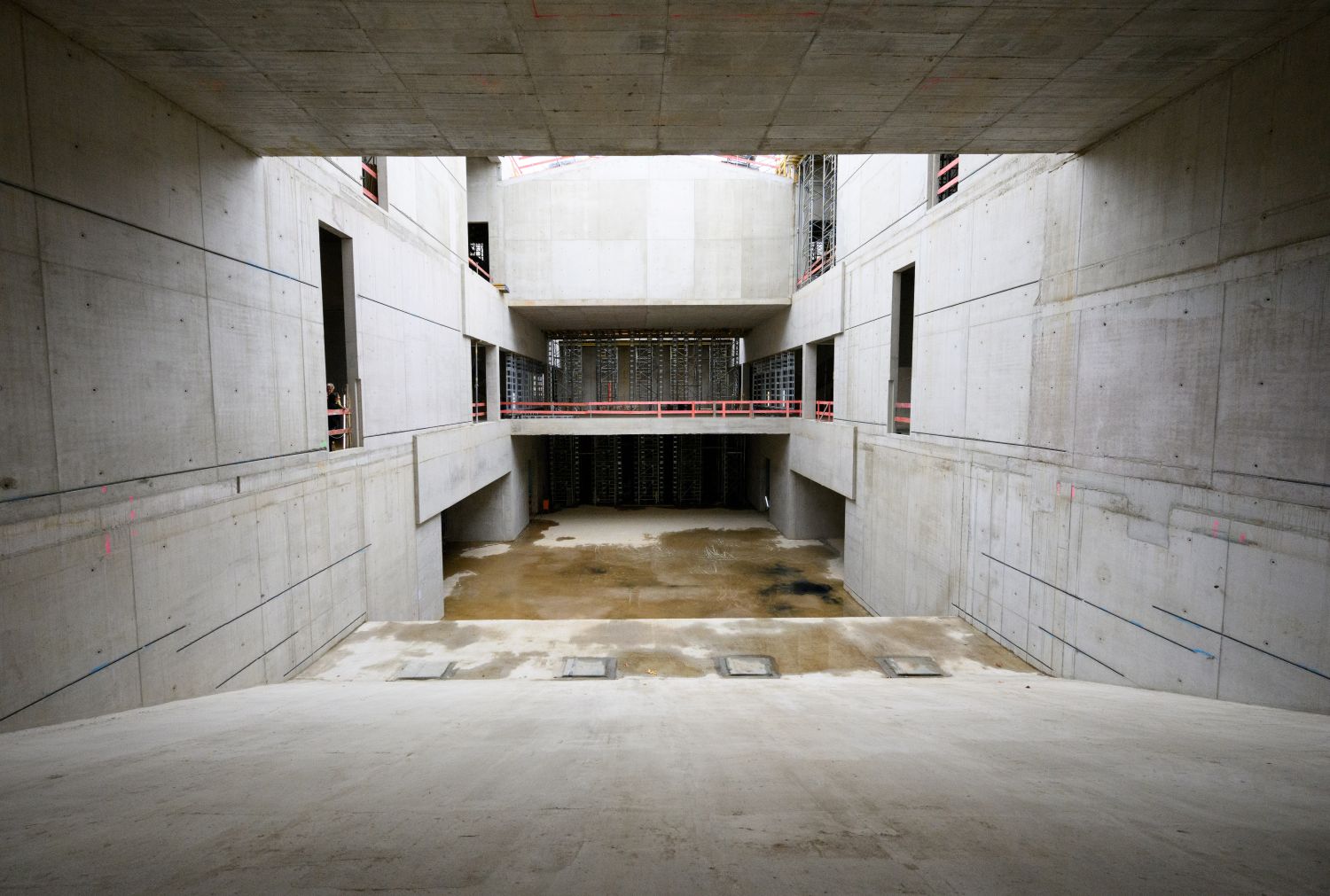
The completion of Berlin Modern, a major new museum in Berlin, has been delayed again until 2030 due to moisture damage and microbial infestation found in parts of the raw structure. The Stiftung Preußischer Kulturbesitz (SPK) announced an estimated eight-month postponement, though no construction stop was required. The museum, designed by Herzog & de Meuron, is being built near Potsdamer Platz to expand the Neue Nationalgalerie's exhibition space. Costs have risen from an initial €200 million to a projected €507 million.

When the Pergamon Altar can be seen again

Wann man den Pergamonaltar wieder sehen kann

The Pergamon Museum in Berlin is set to partially reopen in the spring of 2027 following extensive renovations, allowing public access to the hall containing the world-famous Pergamon Altar. However, the reopening will be staggered and subject to further interruptions; the altar hall is scheduled to close again for five months in 2034 to facilitate connections to the museum island's archaeological promenade. Full completion of the museum's renovation, including the South Wing housing the Ishtar Gate, is not expected until 2037.

Berlin Museum to Return Almost 600 Skulls

Berliner Museum will fast 600 Schädel zurückgeben

The Prussian Cultural Heritage Foundation in Berlin has announced plans to repatriate hundreds of human skulls to West African nations following a multi-year provenance investigation. The research identified the origins of 574 skulls, with 336 linked to present-day Cameroon, 151 to Togo, 23 to Ghana, and one to Nigeria, while 63 could not be precisely located. The skulls were part of a historical anthropological collection transferred from Berlin's Charité university hospital in 2011.