
filter_list Showing 2 results for "Still Life amid Ruin (2026)" close Clear
dashboard All 2 museum exhibitions 2
date_range Range Today This Week This Month All
Subscribe

Our pick of the best pavilions at the 61st Venice Biennale

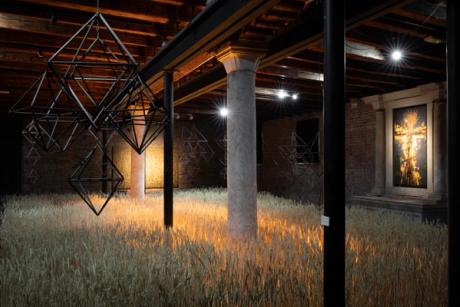
The article highlights standout national pavilions at the 61st Venice Biennale. The Belarus Pavilion features a powerful installation by the Belarus Free Theatre, including a wheat field built by former political prisoners, straw spiders made from prison bars, and a confession booth that runs facial recognition. The Brazil Pavilion presents a joint exhibition by Rosana Paulino and Adriana Varejão, focusing on colonial wounds and trauma through works like Paulino's 'Aracnes' and Varejão's 'Still Life amid Ruin'. The Bosnian Pavilion by Mladen Bundalo invites tactile engagement with themes of diaspora and migration, while the Austrian Pavilion by Florentina Holzinger draws attention with nude performers in water-filled pools.

Drained, Drowning, and Decay: The Best National Pavilions at the Venice Biennale

The 2026 Venice Biennale is defined by themes of ruin and decay, with standout national pavilions exploring bodily, infrastructural, and archaeological collapse. The Slovenian Pavilion features the Nonument Group repurposing materials from past Biennales into a ruin of a mosque for Bosnian Muslim soldiers from World War I. Syria presents its first national pavilion since the Civil War, with Sara Shamma invoking Palmyra, destroyed by ISIS. Germany's pavilion, titled "Ruin," features works by Henrike Naumann (who died in February) and Sung Tieu, questioning the pavilion's fascist architecture and nationalist residue. The Austrian Pavilion, curated by Florentina Holzinger, offers a visceral performance titled "Sea World." The Biennale is also marked by the abrupt resignation of its five-member jury, who refused to consider nations charged with crimes against humanity, leading to awards being chosen by public vote. Additionally, the main exhibition "In Minor Keys" was affected by the death of its curator, Koyo Kouoh.