
filter_list Showing 3 results for "The Annunciation" close Clear
search
dashboard All 3 article culture 2article news 1
date_range Range Today This Week This Month All
Subscribe

Harnessing the winds of societal change: how art dealers have been able to shape taste for centuries

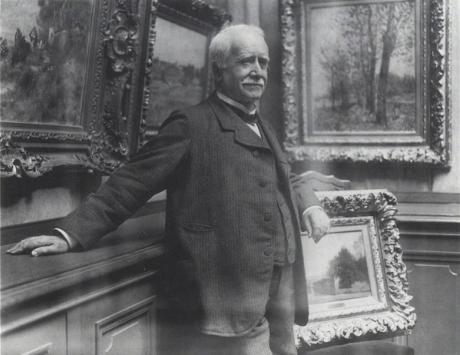
Valentina Castellani, a former Gagosian director, has authored a new book titled *Trading Beauty: Art Market Histories from the Altar to the Gallery* (out 1 May). The book traces how art dealers have historically leveraged societal changes—political, economic, and social—to reshape taste and market structures. Castellani begins in the Middle Ages, when art was made only on commission for patrons like the Catholic church and monarchies, and moves through key shifts such as the Dutch Republic's first open art market in the 17th century, which gave rise to the professional art dealer. She highlights dealers like Paul Durand-Ruel, Joseph Duveen, and Leo Castelli who capitalized on anti-establishment energy, new wealth, and post-war consumer culture to bring avant-garde art to the forefront.
Artist Henry Ossawa Tanner

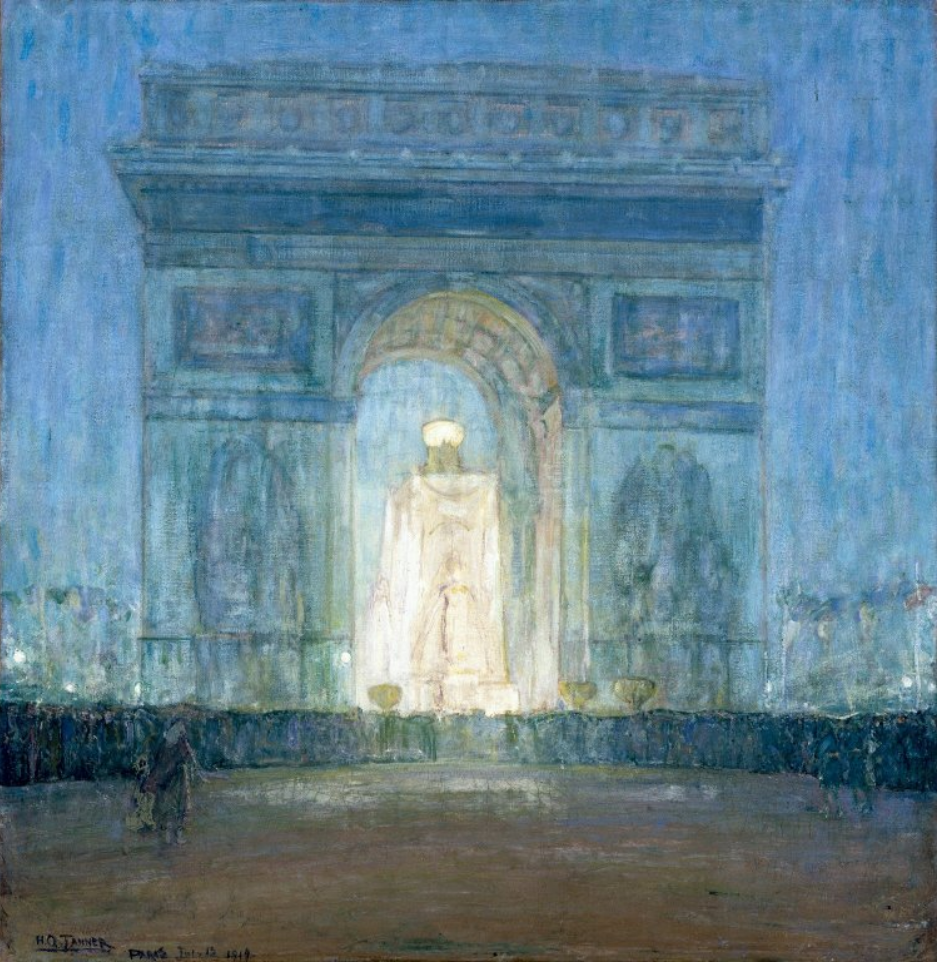
This article profiles Henry Ossawa Tanner (1859–1937), the pioneering African American artist who achieved international fame in the 19th and early 20th centuries. Born in Pittsburgh to a bishop father and a mother who escaped slavery, Tanner studied under Thomas Eakins at the Pennsylvania Academy of Fine Arts before moving to Paris to escape racial discrimination. He studied at the Académie Julian, became a mentor to Black artists including Aaron Douglas and Hale Woodruff, and gained renown for his biblical paintings such as "Daniel in the Lions' Den" (1896). Tanner traveled widely—to Egypt, Morocco, and Palestine—and was named a chevalier of the French Legion of Honor in 1927. The article lists numerous works by Tanner held in major collections, including the first painting by an African American artist acquired for the White House Collection.

Controversial art show canceled at NY archdiocese venue finds home at Jesuit parish

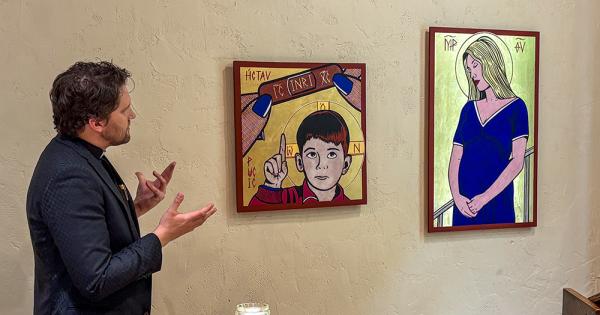
Jesuit artist Nicholas Leeper's solo exhibition "Twilight of the Idols," which blends Byzantine iconography with pop art and advertising imagery, was abruptly canceled by the Sheen Center for Thought and Culture in New York about two weeks before its scheduled opening in May 2026. The center, founded by the New York Archdiocese, cited phone calls and emails expressing concern about the work, which includes pieces like "Madonna and Child (Tomatokos)" depicting Mary as a Campbell's soup housewife and "The Visitation" reimagining Mary and Elizabeth in a cigarette ad. Within a day, the exhibition found a new venue at the Mary Chapel of St. Francis Xavier Church, organized in partnership with Xavier High School, where Leeper teaches.