
filter_list Showing 3 results for "The Eye is the First Circle" close Clear
search
dashboard All 3 trending_up market 2museum exhibitions 1
date_range Range Today This Week This Month All
Subscribe

The Met is Finally Treating Lee Krasner as Pollock’s Equal—Will the Market Follow?

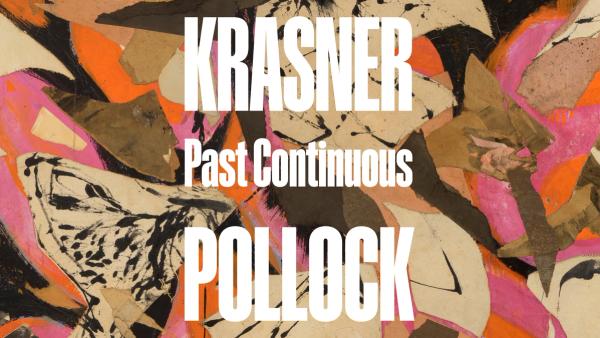
The Metropolitan Museum of Art has announced a major upcoming exhibition titled "Krasner and Pollock: Past Continuous," which aims to present Lee Krasner and Jackson Pollock as artistic equals. While the museum's narrative seeks to reframe Krasner as a formidable figure of the New York School on her own terms, the art market continues to reflect a significant valuation gap. Pollock’s auction record stands at over $61 million, while Krasner’s peak public sale remains just under $12 million, highlighting the persistent commercial struggle for female Abstract Expressionists.

10 most expensive women artists

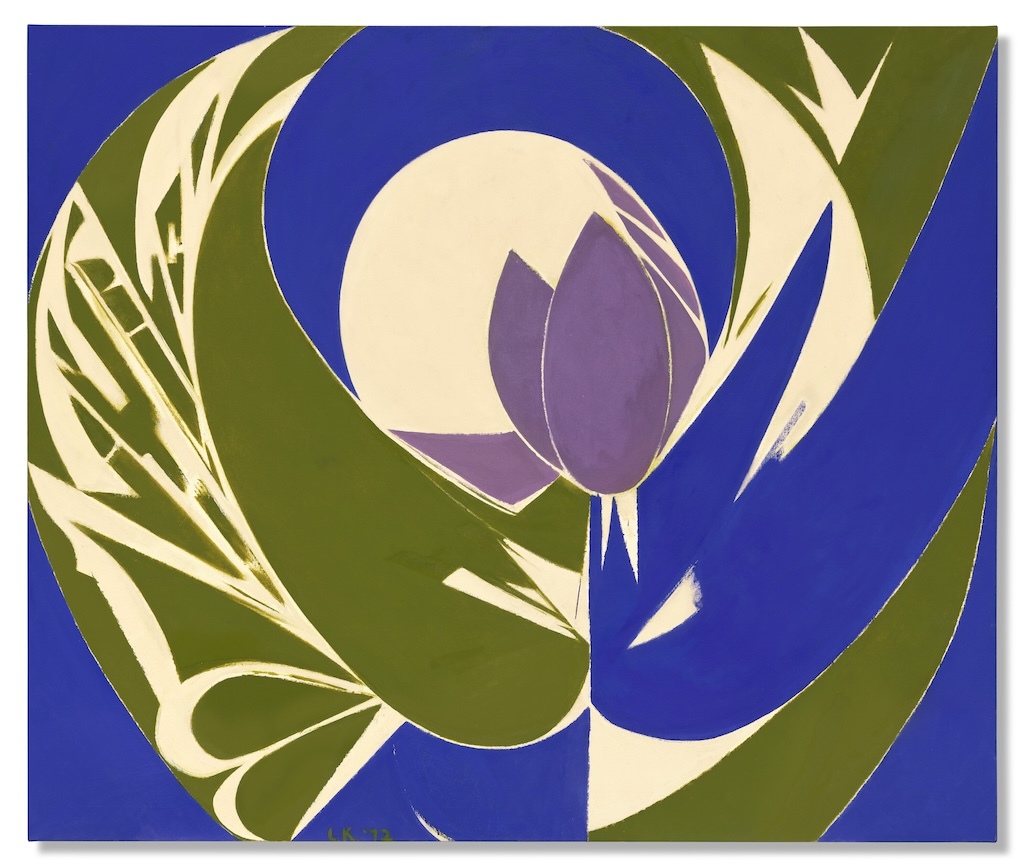
A Frida Kahlo painting, *El Sueño (La Cama)* (1954), sold at Sotheby’s New York for $54.7 million, setting a new auction record for the most expensive artwork by a female artist. The article, using data from the Artnet Price Database, lists the ten most expensive women artists at auction, including Lee Krasner ($11.6 million for *The Eye is the First Circle*), Jenny Saville ($12.4 million for *Propped*), Marlene Dumas ($13.6 million for *Miss January*), and Agnes Martin ($18.7 million for *Grey Stone II*).

The Met to Present a Major Exhibition Dedicated to the Careers of Lee Krasner and Jackson Pollock

The Metropolitan Museum of Art has announced a major exhibition titled "Krasner and Pollock: Past Continuous," scheduled to run from October 2026 to January 2027. This landmark show will trace the parallel careers of Lee Krasner and Jackson Pollock, marking the first significant New York presentation for either artist in over two decades. The exhibition aims to examine their distinct yet interconnected practices as artistic peers and life partners, featuring galleries that both juxtapose their works and present them independently to highlight their individual evolutions in abstraction.