filter_list Showing 53 results for "The Shift" close Clear
dashboard All 53 museum exhibitions 21trending_up market 7article culture 7article news 7person people 5article policy 3article local 2rate_review review 1
date_range Range Today This Week This Month All
Subscribe

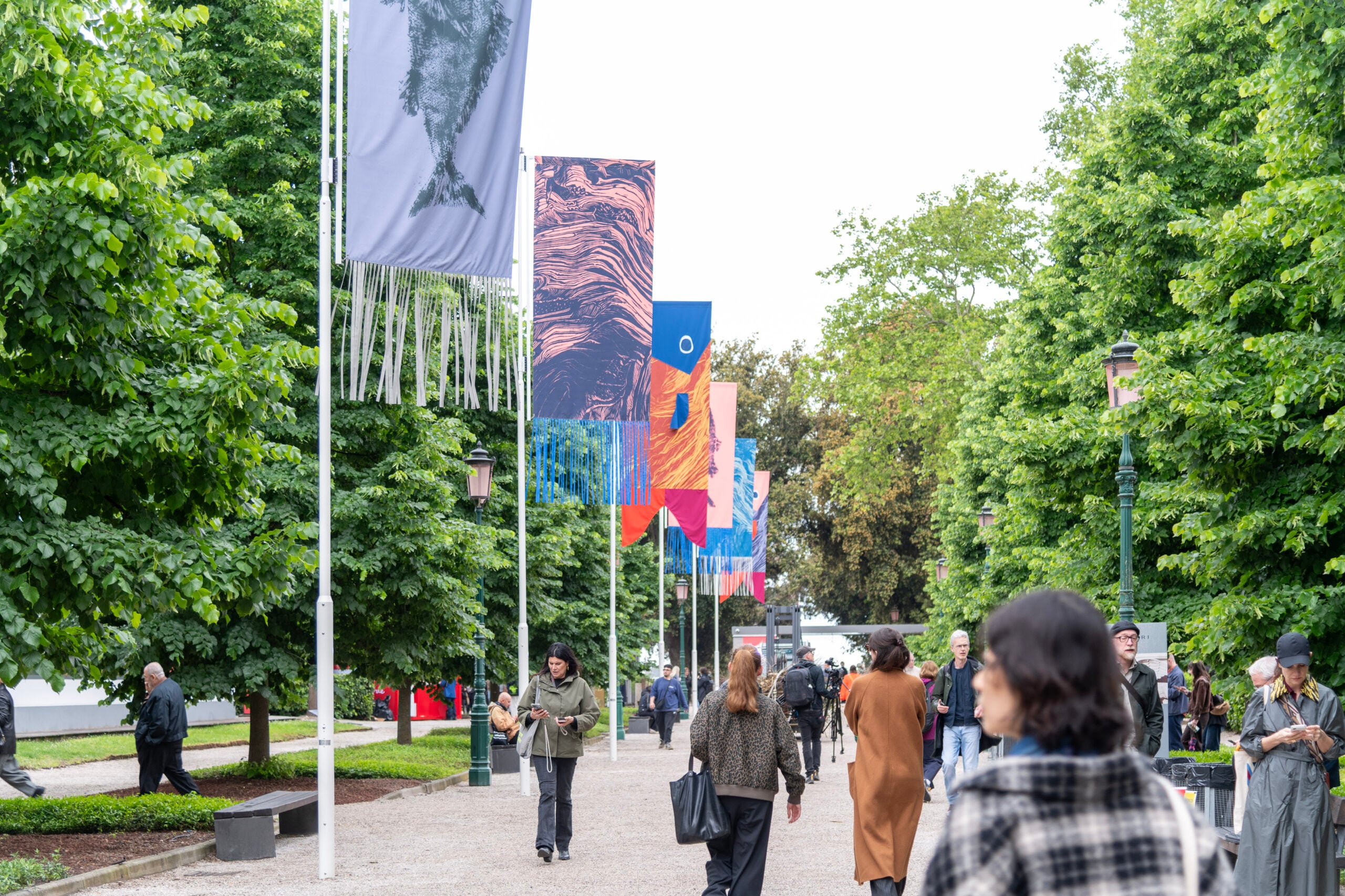
The Venice Biennale’s Polite Fiction of Being ‘Above the Market’ Is Wearing Thin

The 61st Venice Biennale is underway, with art world figures flocking to Venice for the opening. While the Biennale is officially a non-selling curatorial platform, commercial interests are increasingly visible: galleries are funding artists' projects to recoup investments, auction houses like Christie's are hosting private selling exhibitions (including a 'Ghost Pavilion' at the Ca' Dario Palazzo), and fashion houses such as Bottega Veneta and Chanel are sponsoring events. Sotheby's has pulled support for the U.S. Pavilion, which is now crowdfunding, while Frieze is bankrolling the British Pavilion for a second time.

The Box Shutters in Los Angeles After Nearly Two Decades

The Box, a pioneering Los Angeles gallery known for its nonprofit-style support of experimental and performance art, has announced its closure after nearly two decades. Founded in 2007 by Mara McCarthy, the gallery’s final exhibition featured late California painter Wally Hedrick, and a closing event will include a fashion show by Johanna Went. Mara McCarthy cited the shifting market for her father Paul McCarthy’s work and the loss of family homes in the Eaton Fire as factors behind the decision.

A Smaller Art Brussels Represents a Shift in the Fair Ecosystem Toward a ‘Quality-First’ Approach

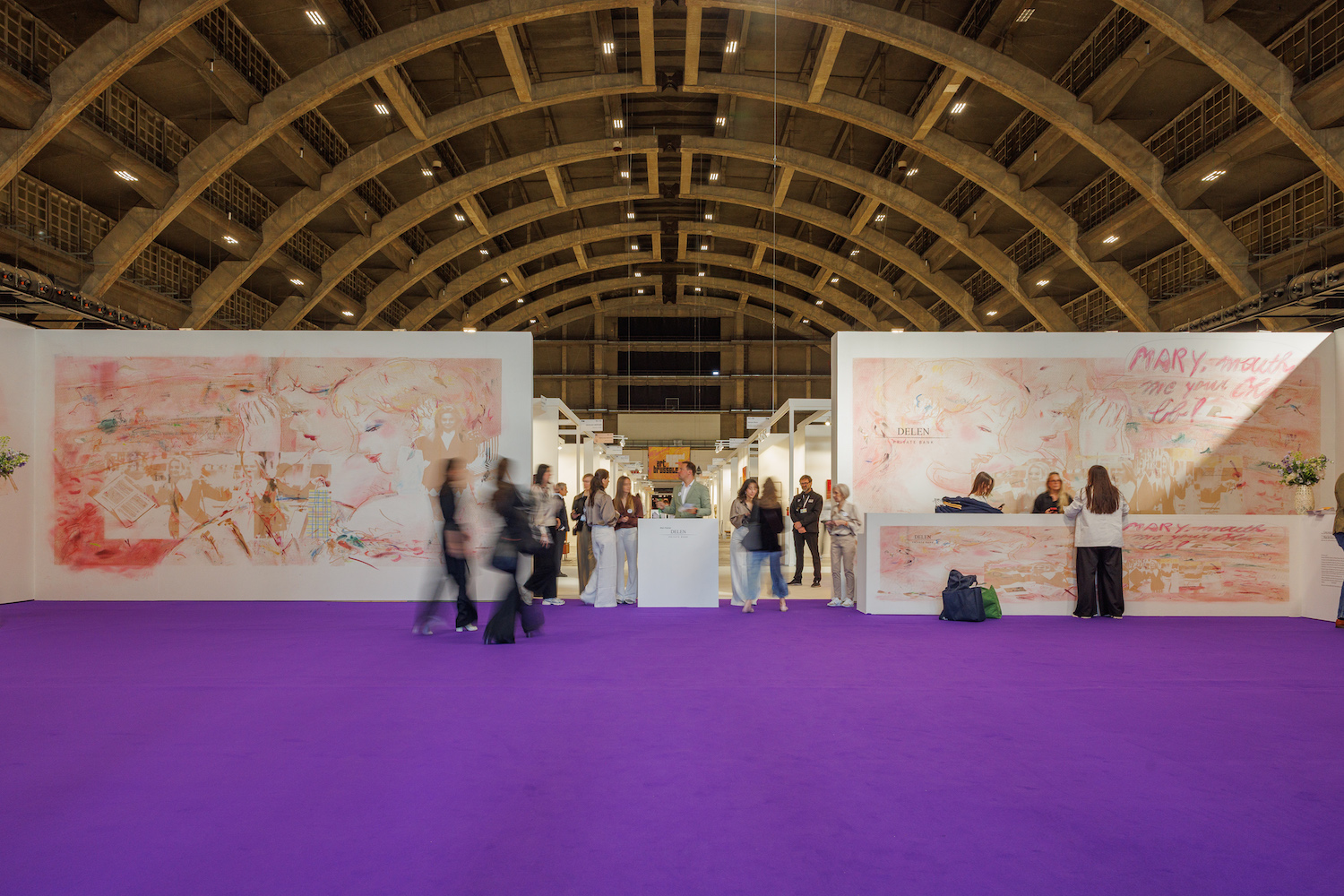
Art Brussels, now in its 42nd edition (April 23–26), has downsized from 164 to 138 participating galleries, a 15% reduction that allows the fair to fit entirely within one hall of Brussels Expo. Director Nele Verhaeren openly acknowledged the shift, framing it as a deliberate move toward a 'quality-first' approach that prioritizes visitor experience over sheer scale. The fair introduces a new section called Horizons, curated by Devrim Bayar of the upcoming Kanal-Pompidou museum, featuring seven large-scale works in the freed-up space. Dealers like Xavier Hufkens and Nadja Vilenne support the strategy, noting that galleries must now carefully choose which fairs to attend amid rising costs and geopolitical tensions.

Eyecatchers and Discoveries

Eyecatcher und Entdeckungen

The 42nd edition of Art Brussels has scaled down to 138 exhibitors from 165 in 2025, responding to a sluggish contemporary art market and economic uncertainty. The fair introduces a new section called 'Horizonte,' curated by Devrim Bayar of Kanal Centre Pompidou, featuring six large-scale installations including Pao Hui Kao's delicate paper-and-lacquer refuge and Oswald Oberhuber's €380,000 panoramic painting 'Paradiesgarten.' Galleries are now consolidated into one hall, with fewer blue-chip participants but a continued focus on living artists (95% of the 500 shown). Notable presentations include Xavier Hufkens' solo show of Cassi Namoda, Krinziger's works by Marina Abramović and Monica Bonvicini, and Richard Saltoun's historical mix of Fernand Khnopff, Everlyn Nicodemus, and Suzanne Van Damme.

art new york gallery guide spring

Cultured's spring gallery guide for New York highlights a curated selection of exhibitions across the city, with standout shows including Carol Bove's sculptural installation at the Solomon R. Guggenheim Museum, Joan Semmel's retrospective at the Jewish Museum, Jessi Reaves's furniture-based works at the American Academy of Arts and Letters, and the group show "Afterlives: Contemporary Art in the Byzantine Crypt" at the Metropolitan Museum. The guide also notes exhibitions by Paul Chan, Nicola Tyson, Doron Langberg, and Yuval Pudik that are closing soon, and extends coverage to shows in Philadelphia and Warsaw.

I’ve Got the Post-Duchamp Blues

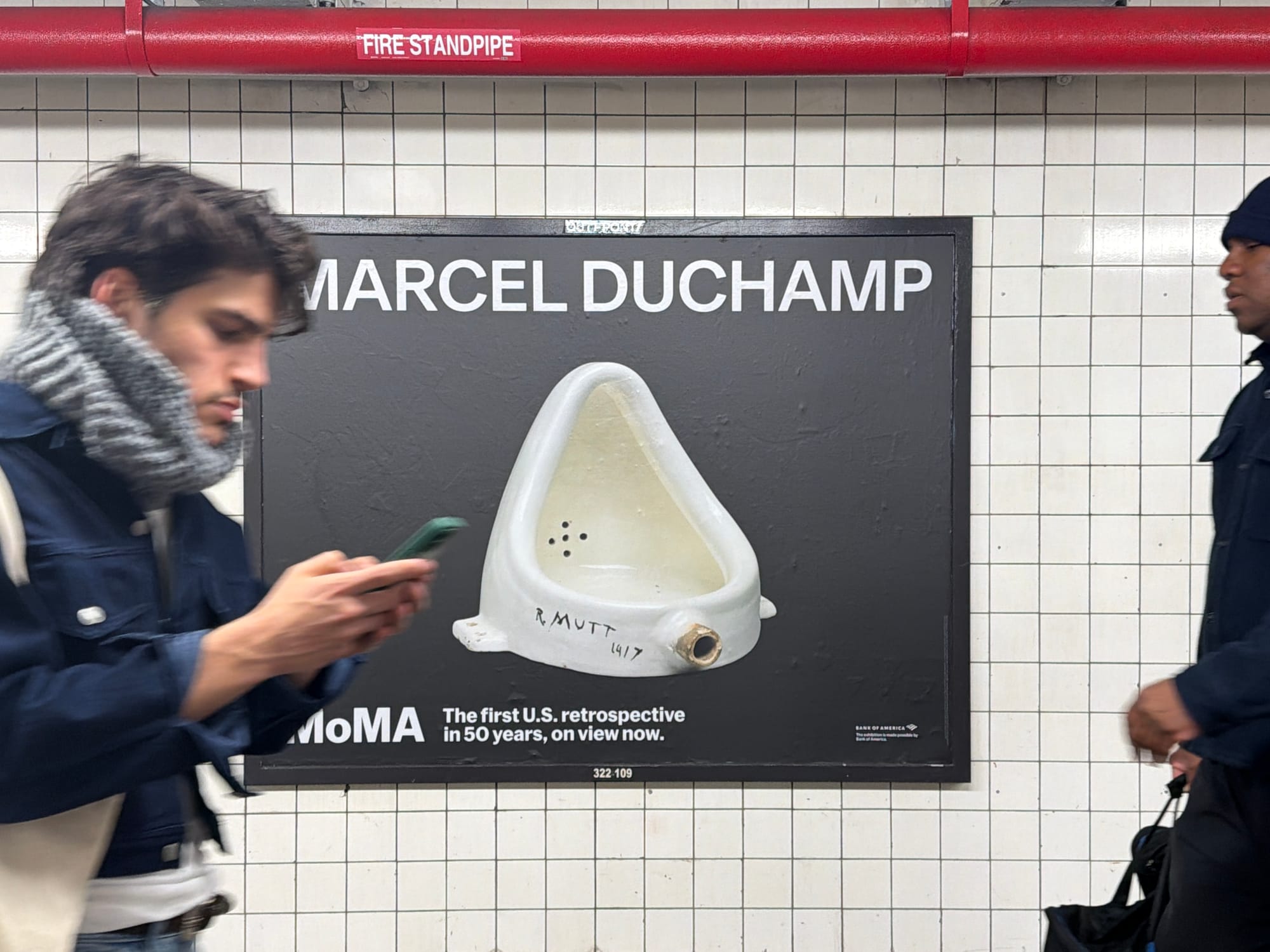
The article is a review of the Marcel Duchamp retrospective at the Museum of Modern Art (MoMA) in New York, the first such show since 1973. Featuring around 300 works from Duchamp's six-decade career, the exhibition includes his iconic readymades like "Fountain" (1917) and early paintings such as "Nude Descending a Staircase, No. 2" (1912). Co-curated by MoMA's Ann Temkin and Michelle Kuo along with Matthew Affron of the Philadelphia Museum of Art, the show runs through August 22, 2026, before traveling to Philadelphia.

Art Problems: Do I Need to Go to Art Fairs?

Art critic Paddy Johnson addresses the common dilemma faced by unrepresented artists regarding the necessity of attending major art fairs. While acknowledging that fairs can be physically exhausting and prohibitively expensive, Johnson argues that their true value lies in strategic information gathering and long-term career planning rather than immediate sales or representation.

These Are the 7 Best Destinations for Pop Culture Exhibits

Chicago's diverse landscape of pop culture and contemporary art is highlighted through a curated list of seven key destinations in the metropolitan area. The selection ranges from the Volo Museum’s collection of Hollywood vehicles and Titanic artifacts to the Museum of Contemporary Art Chicago’s extensive permanent collection of over 2,000 modern works and high-tech media displays.

The best and worst we saw at the Venice Art Biennale 2026. Artribune's hits and flops

Il meglio e il peggio che abbiamo visto alla Biennale d’Arte di Venezia 2026. Top e flop di Artribune

The 61st Venice Biennale, titled "In Minor Keys" and directed by Koyo Kouoh, opened amid significant turmoil: the death of a newly appointed curator, diplomatic tensions over the presence of Russia and Israel, political protests, and the unprecedented collective resignation of the jury, which led to the Golden Lions being awarded by public vote for the first time. Despite this chaotic backdrop, the exhibition—featuring a record 100 national pavilions—has been widely praised for avoiding moralistic pedagogy and instead embracing visual seduction, formal quality, and sensory joy while addressing themes of identity, memory, colonialism, ecological crisis, and violence. The article highlights top and flop moments from the opening week, including strong showings by Biennale president Pietrangelo Buttafuoco and a standout exhibition at Fondazione Prada.

Roma accoglie all’Ara Pacis 52 importanti opere dell’Impressionismo provenienti da Detroit

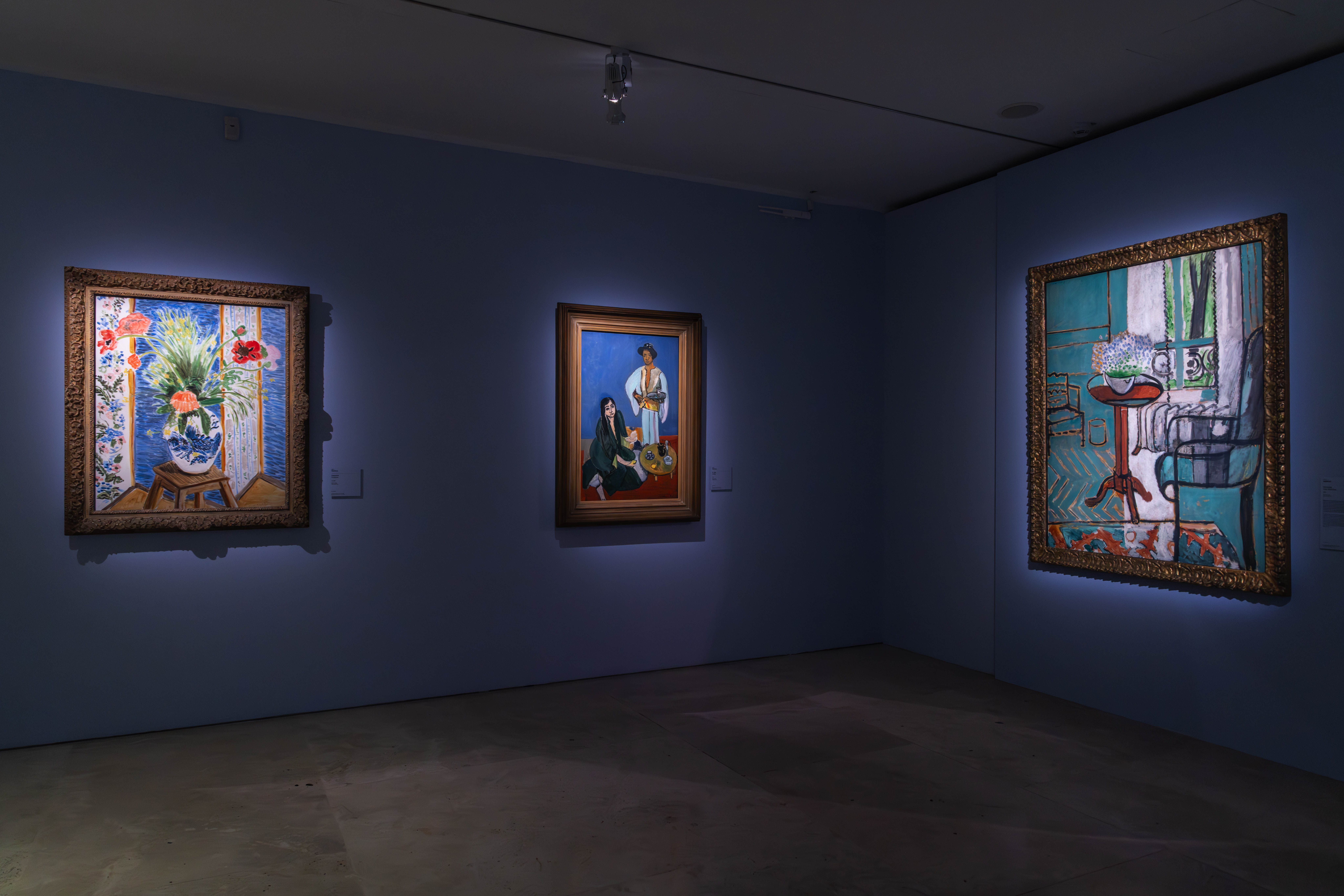
The Museo dell'Ara Pacis in Rome is hosting an exhibition titled 'Impressionismo e oltre' (Impressionism and Beyond), featuring 52 masterpieces on loan from the Detroit Institute of Arts. Curated by Ilaria Miarelli Mariani and Claudio Zambianchi, the show spans from the 1840s to the early 20th century, tracing the evolution of European painting through Impressionism, Post-Impressionism, and the avant-garde. Works by Degas, Renoir, Cézanne, Van Gogh, Picasso, Matisse, Modigliani, and others are displayed across thematic sections that explore the shift from academic tradition to modern visual language.

What the tenth edition of Art Monte-Carlo fair in the Principality of Monaco will be like

Come sarà la decima edizione fiera Art Monte-Carlo nel Principato di Monaco

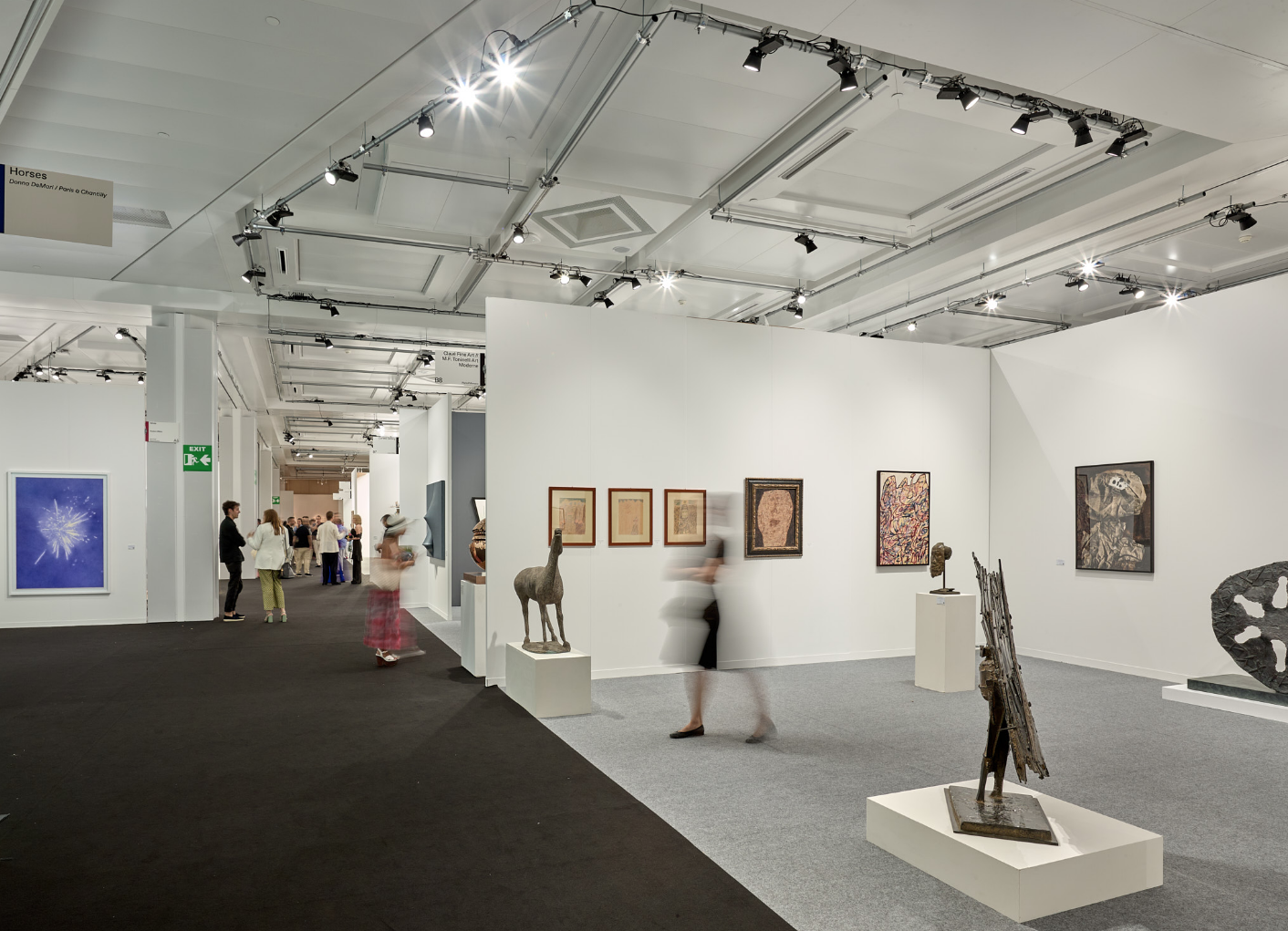
Art Monte-Carlo, the boutique art fair in the Principality of Monaco, celebrates its tenth edition from April 29 to May 1, 2026 (preview April 28), under the High Patronage of H.S.H. Prince Albert II. The fair will host 26 international galleries of modern and contemporary art at the Grimaldi Forum, moving to new spring dates and coinciding with the Monaco Art Week (April 27–May 1). Newcomers include Italian gallery Secci, Mitterrand from Paris, A&R Fleury, Cecilia Hillström Gallery, Fabienne Levy, Giovanni Martino Projects, Lee & Bae, Ritsch-Fisch Galerie, and Monegasque galleries Hartford Fine Art – Lampronti Gallery and M.F. Toninelli Art Moderne. Returning exhibitors include Almine Rech, Cortesi, Galleria Continua, Suzanne Tarasieve, Semiose, Van de Weghe, Voena, and Wilde. A curated section features a collective exhibition titled "Earthly Delights," curated by Stefano Rabolli Pansera and inspired by Luis Buñuel, centered on a functioning bar as a conceptual and physical space. The fair also includes a public program and talks with figures such as photographer Juergen Teller, auctioneer Simon de Pury, and collector Batia Ofer, and has moved under the influence of Informa Prestige, the luxury division of events company Informa.

Emmanuel Perrotin, the Parisian gallery owner who conquered the world

Emmanuel Perrotin, the founder of the global Perrotin gallery network, reflects on a career defined by disruption and the democratization of contemporary art. From his early days as an outsider without industry connections to managing 160 employees across four continents, Perrotin has utilized high-profile stunts—such as Maurizio Cattelan’s $120,000 taped banana—and celebrity collaborations with figures like Pharrell Williams to build a powerhouse brand. His current focus involves institutionalizing his internal operations through digital tools and employee tutorials to maintain the gallery's momentum.

Israeli Pavilion artist issued legal warnings before Biennale jury resignation

Belu-Simion Fainaru, the artist representing Israel at the 2026 Venice Biennale, issued legal warnings to the Biennale, the Italian Ministry of Culture, and the Italian Prime Minister’s office after the Golden Lion jury announced it would not consider pavilions from countries whose leaders are charged with crimes against humanity by the International Criminal Court, including Israel and Russia. Fainaru’s legal threats cited alleged antisemitism and nationality-based discrimination. Shortly after, the Biennale jury resigned, prompting organizers to postpone the awards ceremony to the closing day and replace the Golden and Silver Lions with two 'Visitors’ Lions' voted on by attendees, with all national participations eligible.

Art Dubai announces details for revised 2026 edition

Art Dubai has unveiled the details for its 2026 "special edition," which features a significantly reduced scale in response to ongoing regional conflict. The fair will host 50 galleries—a sharp decline from the 120 participants in 2025—with a strategic focus on regional representation, as nearly two-thirds of the exhibitors hail from the Middle East. To compensate for the smaller commercial footprint, the event will deepen its ties with local institutions like the Sharjah Art Foundation and Alserkal Avenue through expanded collaborative programming.

Drained, Drowning, and Decay: The Best National Pavilions at the Venice Biennale

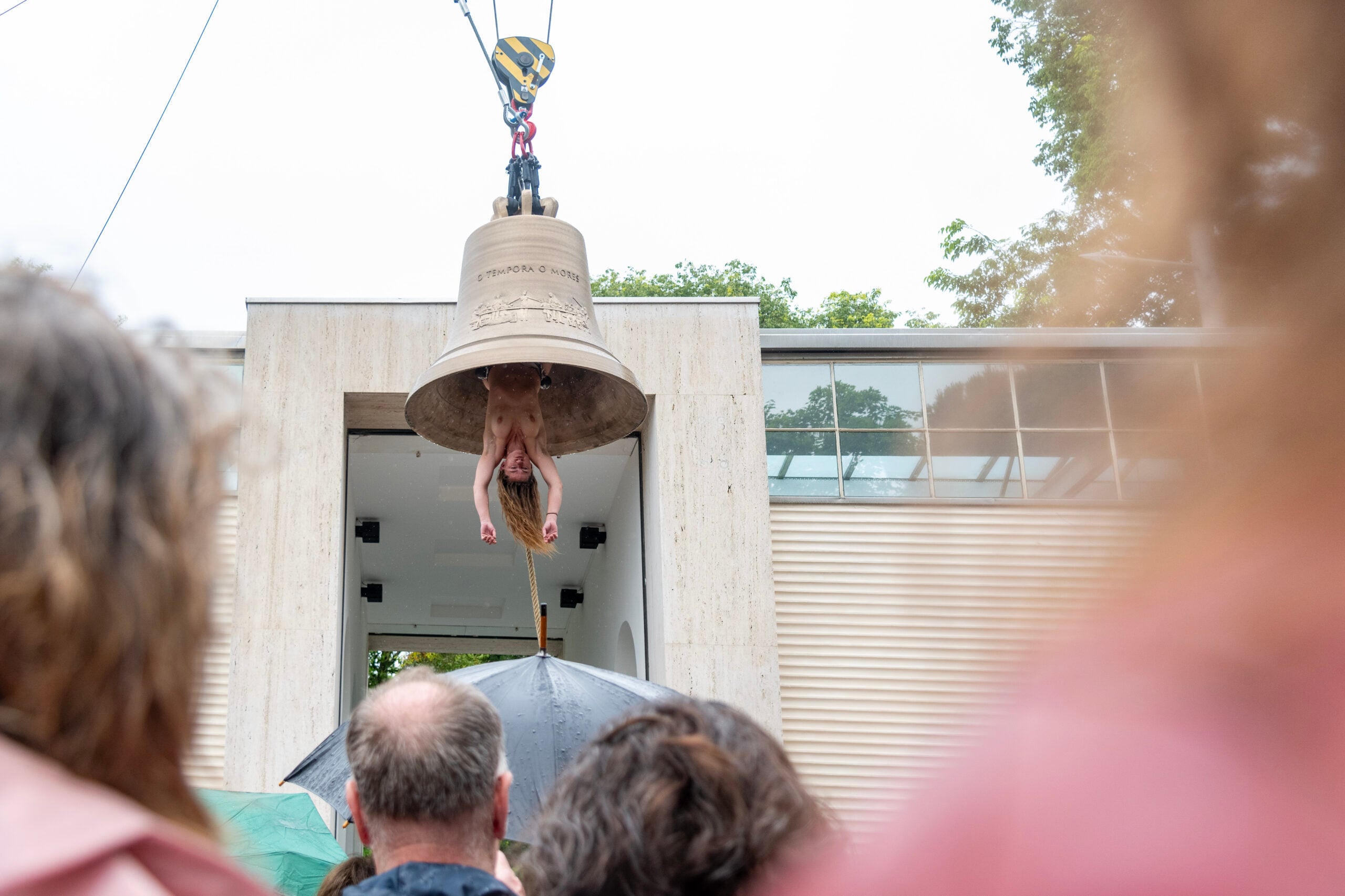
The 2026 Venice Biennale is defined by themes of ruin and decay, with standout national pavilions exploring bodily, infrastructural, and archaeological collapse. The Slovenian Pavilion features the Nonument Group repurposing materials from past Biennales into a ruin of a mosque for Bosnian Muslim soldiers from World War I. Syria presents its first national pavilion since the Civil War, with Sara Shamma invoking Palmyra, destroyed by ISIS. Germany's pavilion, titled "Ruin," features works by Henrike Naumann (who died in February) and Sung Tieu, questioning the pavilion's fascist architecture and nationalist residue. The Austrian Pavilion, curated by Florentina Holzinger, offers a visceral performance titled "Sea World." The Biennale is also marked by the abrupt resignation of its five-member jury, who refused to consider nations charged with crimes against humanity, leading to awards being chosen by public vote. Additionally, the main exhibition "In Minor Keys" was affected by the death of its curator, Koyo Kouoh.

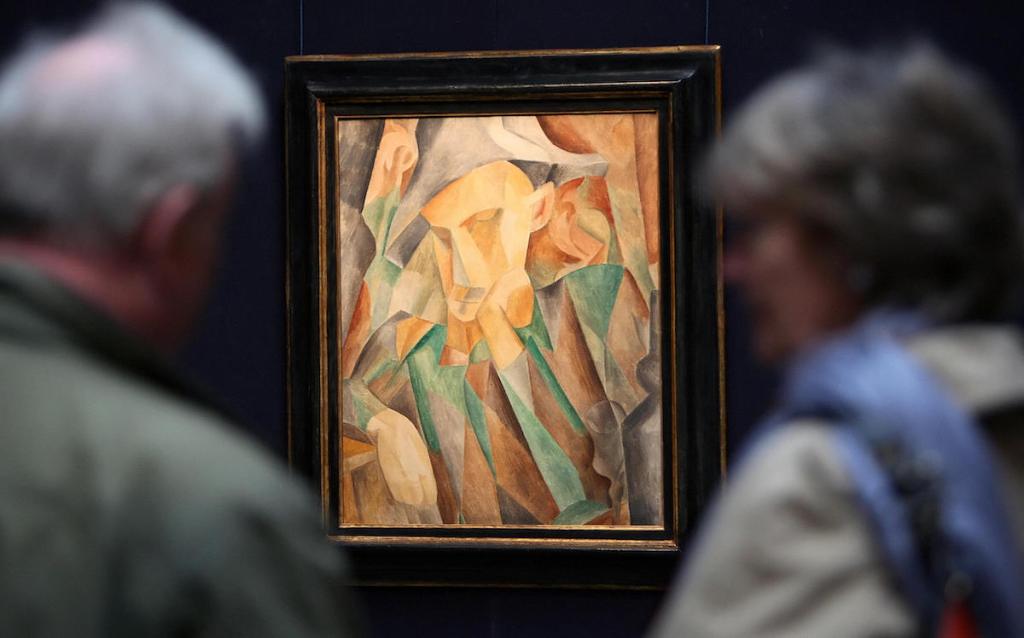
Sotheby’s Tries Again to Sell $40 M. Picasso Painting That Didn’t Make It to Auction in 2008

Sotheby’s has announced the sale of Pablo Picasso’s 1909 Cubist masterpiece, Arlequin (Buste), which is expected to fetch approximately $40 million during the New York marquee auctions this May. The painting is the crown jewel of a collection belonging to the late Surrealist artist Enrico Donati and his wife Adele. This marks the second time Sotheby’s has attempted to sell the work; it was famously withdrawn from a 2008 auction just a week before the sale due to undisclosed private reasons.

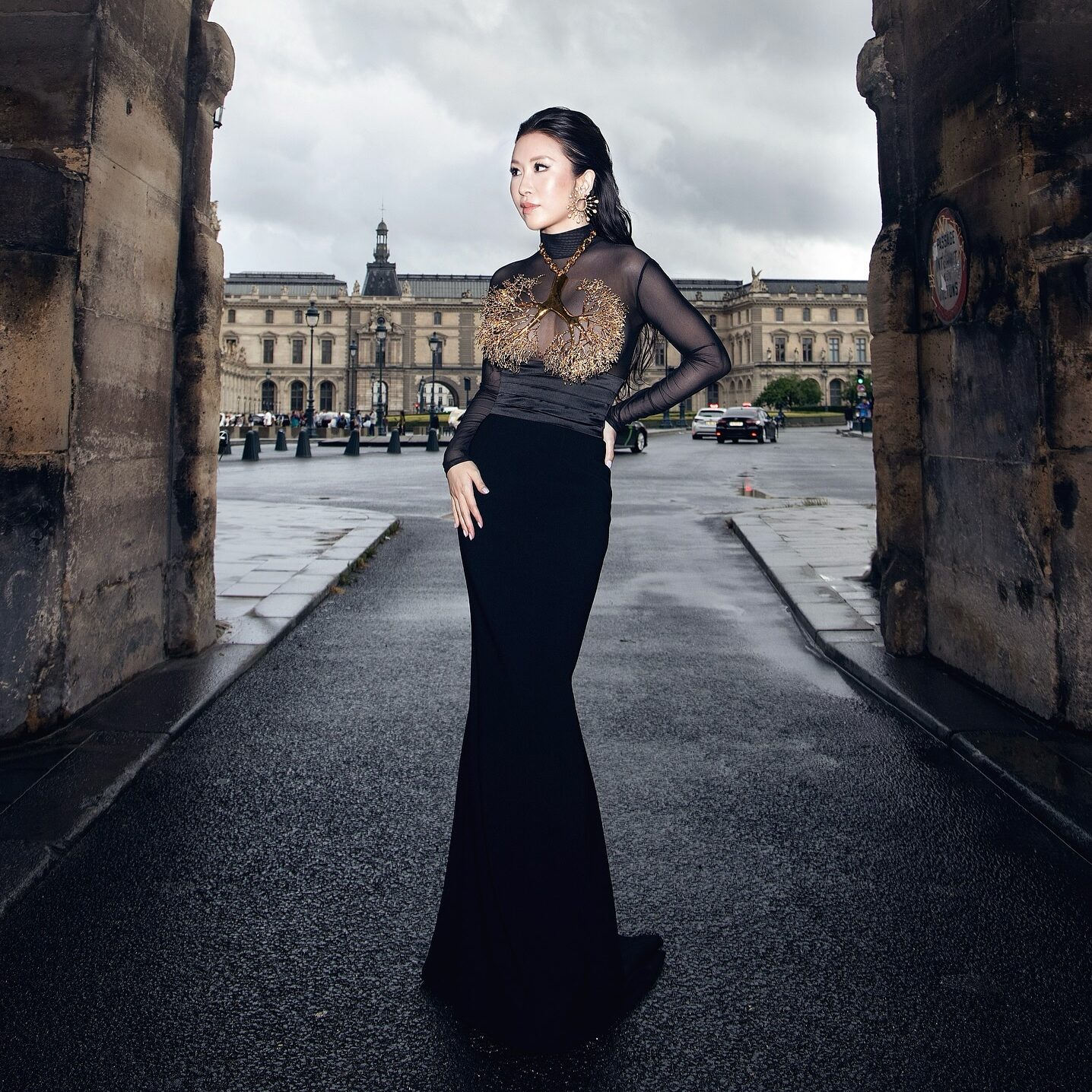
collector questionnaire yu chi lyra kuo technology art

Yu-Chi Lyra Kuo, an entrepreneur, investor, and Harvard-educated lawyer, is profiled for her pioneering work at the intersection of frontier technology and art. A former Princeton academic and one of the youngest board members of the Shed in New York, Kuo began collecting art as a child with a jade gourd from her grandfather's museum of Asian carvings. She was an early entrant into blockchain in 2011, co-founded OpenSea 2.0, and now advises frontier tech companies like Orchid Health. Kuo believes technologies such as AI and robotics can enhance human creativity, enabling individualized artworks, autonomous creations, and robot performances, rather than replacing human cultural meaning.

Online Auctions Continue to Draw in First-Time Art Buyers as Sales Grow

Online-only sales of fine art at Christie’s, Sotheby’s, Phillips, Bonhams, and Artnet Auctions reached $423.9 million in 2025, an 8 percent increase from 2024. The number of lots sold remained steady at 29,623, but the average price per work rose 8.6 percent to $14,309. Sales were 270 percent higher than in 2019, before the pandemic accelerated the shift to digital auctions. Christie’s reported that 63 percent of new buyers in 2025 made their first purchase online.

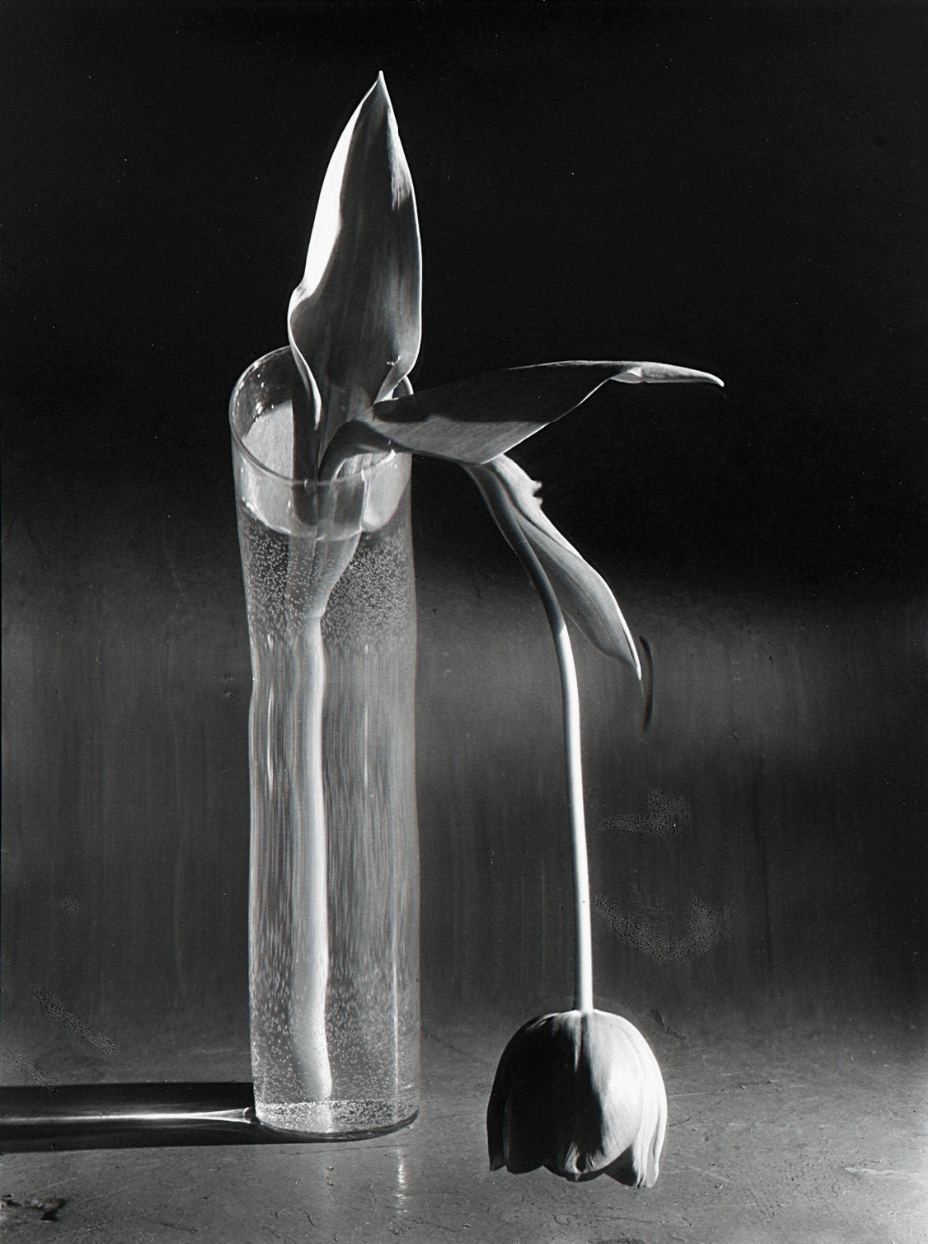
Dealer Scott Nichols on His Lasting Love for Iconic California Photographers

Veteran art dealer Scott Nichols reflects on his long-standing career and the evolution of his eponymous gallery, which specialized in 20th-century California photography for nearly three decades in San Francisco before relocating to Sonoma in 2019. The gallery is renowned for its deep expertise in Group f.64, maintaining one of the largest private collections of Brett Weston’s work alongside masterpieces by Ansel Adams, Dorothea Lange, and Imogen Cunningham.

Playing it safe: this year’s Turner prize nominees lack the anger – and joy – of previous years

The 2026 Turner Prize nominees have been announced, featuring artists Marguerite Humeau, Tanoa Sasraku, Kira Freije, and Simeon Barclay. The shortlist is notably lacking in painting, video art, and overtly political work, instead offering sci-fi utopianism, jazz performance poetry, ephemeral sculpture, and anti-corporate satire. Critics describe the selection as timid and safe compared to previous years, missing the anger, radicalism, and transformative joy of past editions.

Whispering Gallery: The Cratable Hedge and the Colonial Hangover

The article questions the appointment of James Taylor-Foster as the incoming director of Para Site in Hong Kong, noting his background as a curator of architecture and design rather than contemporary art, and his lack of prior engagement with Asia's curatorial scene. It also reports that Philip Tinari, former director of UCCA in Beijing, has been appointed to lead Tai Kwun, replacing Pi Li, who has become founding director of the Tencent-funded Róng Museum of Art in Shenzhen.

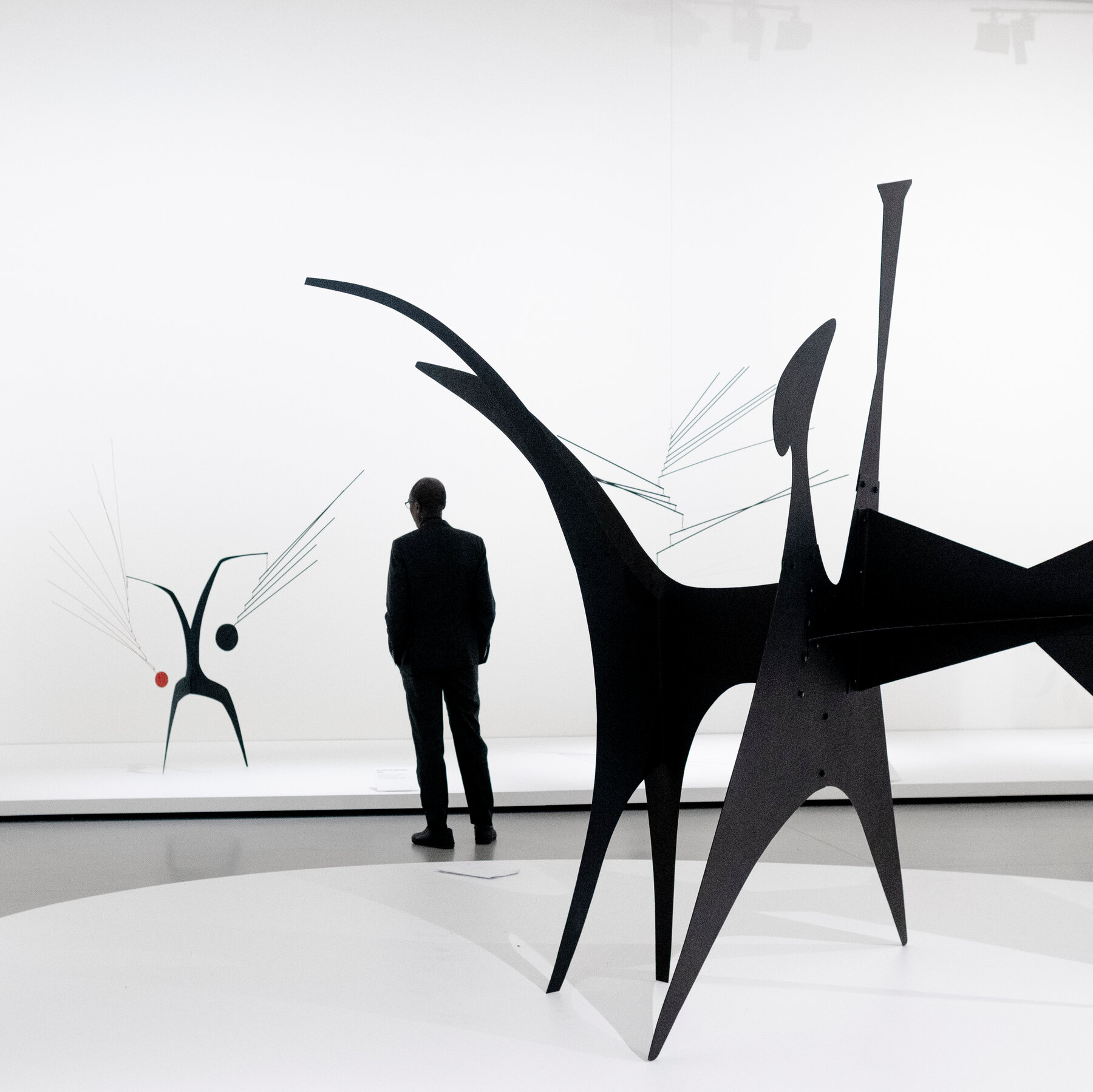
A Sculptor’s Life, in Constant Motion

A major retrospective of Alexander Calder’s work has opened in Paris, offering a comprehensive look at the sculptor’s career-long obsession with movement and balance. The exhibition invites visitors to engage directly with his iconic mobiles and wire sculptures, emphasizing the physical and temporal experience of art that shifts with the surrounding air and light.

Primitivism to Reinvent Art

Le primitivisme pour réinventer l’art

Philippe Dagen has published the third and final volume of his series on primitivism, covering the period from World War II to the late 1970s. The book traces how Western artists, from Barnett Newman and Jackson Pollock to members of the CoBrA movement and figures like Jean Dubuffet, Lucio Fontana, and Yayoi Kusama, engaged with so-called "primitive" art from Africa, Oceania, and the Americas, often as a means of rejecting or redefining modern civilization. Dagen also examines the intellectual debates surrounding primitivism, including the critiques of colonized peoples who refused the label "primitive," and the shifting attitudes of thinkers like Claude Lévi-Strauss, Michel Leiris, and Aimé Césaire.

Melik Ohanian at Galerie Chantal Crousel

Melik Ohanian’s solo exhibition, titled "ALTERATION, For a long time in Time," is currently on view at Galerie Chantal Crousel in Paris. The show features a series of new works that continue the artist's career-long investigation into the dimensions of time, space, and the shifting nature of perception. Through a minimalist and conceptual lens, Ohanian utilizes the gallery space to document temporal transitions and the physical manifestation of duration.

Valerie Mercer and the Long Work of Putting African American Art Where It Belongs

Valerie Mercer, the lead curator of African American art at the Detroit Institute of Arts (DIA), has spent over two decades building a collection that now includes more than 700 works. Last fall, the museum unveiled a major reinstallation titled "Reimagine African American Art," moving African American art from scattered locations to the heart of the institution, near Diego Rivera's Detroit Industry Murals. The rehang traces a lineage from 19th-century painters like Robert S. Duncanson to modern innovators like Sam Gilliam, covering key cultural movements such as the Harlem Renaissance and the Black Arts Movement.

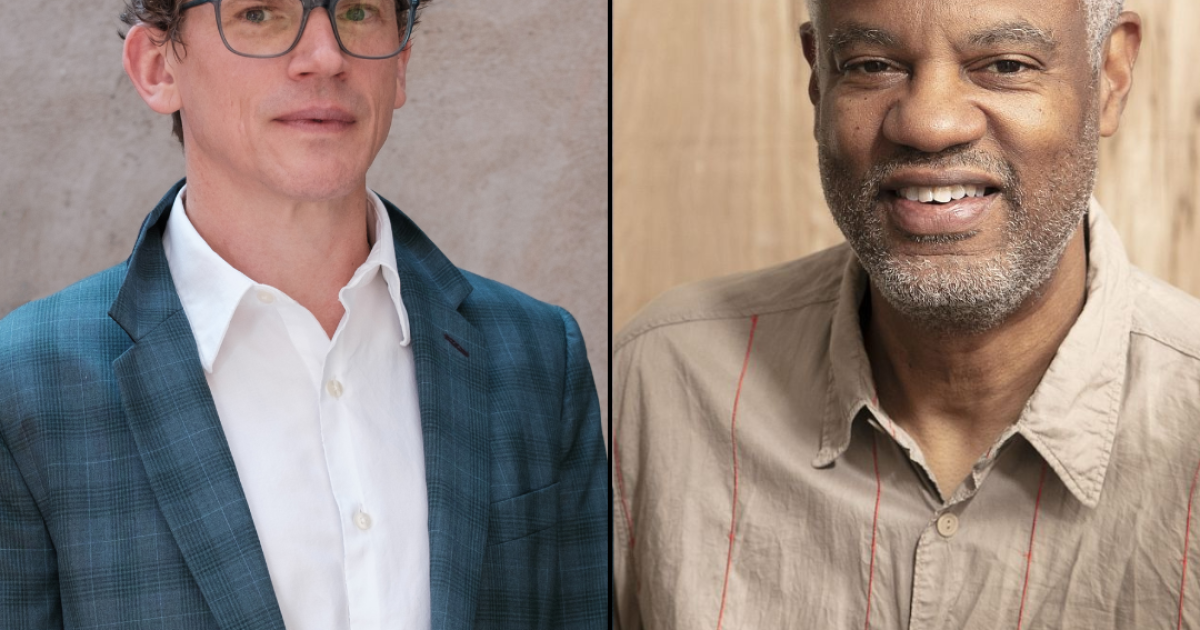
Anthony Elms and Hamza Walker in Conversation

The Mattress Factory in Pittsburgh has announced a public conversation between its new Artistic Director, Anthony Elms, and renowned curator Hamza Walker to mark the institution's 50th anniversary. The event focuses on the evolution of artist-centered institutions and Elms's vision for the museum following his tenure as Chief Curator at the Institute of Contemporary Art at the University of Pennsylvania.

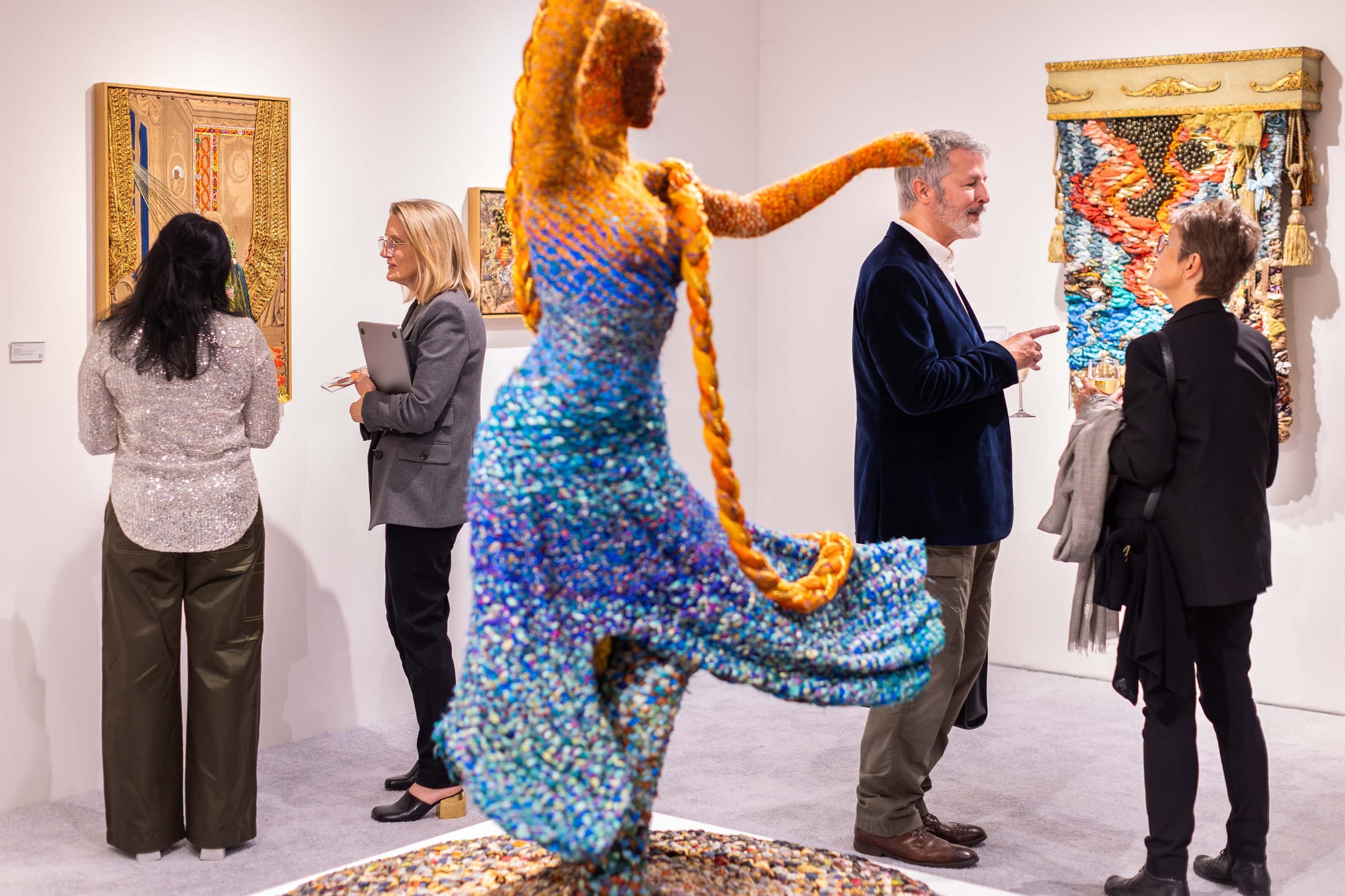
In Surprising Twist, ADAA Art Fair Will Now Benefit the Whitney Museum

The Art Dealers Association of America (ADAA) has named the Whitney Museum of American Art as the new philanthropic beneficiary of its annual fair at the Park Avenue Armory. This decision follows the ADAA's abrupt termination of a 30-year partnership with the Henry Street Settlement, a social services nonprofit that relied on the fair's preview gala for approximately $1 million in annual unrestricted funding. The new event, rebranded simply as the ADAA Fair, will direct its gala proceeds toward the Whitney’s educational and artistic programming.

Meloni takes control of Italian museums

Meloni reprend en main les musées italiens

Italy’s culture ministry under Prime Minister Giorgia Meloni has appointed 14 new directors for so-called “second-tier” museums, reinforcing a shift away from the international “super-director” model introduced by the 2014 Franceschini reform. All appointees are Italian except for French director Axel Hémery, who was reappointed at the Pinacoteca di Siena due to his strong performance. The move follows the earlier ousting of foreign directors at top-tier museums, with only two foreign-born directors—Eike Schmidt and Gabriel Zuchtriegel—remaining, both of whom hold Italian citizenship.

The 10 best pavilions to see at the 2026 Venice Art Biennale. Artribune's top ten

I 10 migliori padiglioni da vedere alla Biennale d’Arte di Venezia 2026. La top ten di Artribune

Artribune presents its top ten must-see national pavilions at the 2026 Venice Biennale, which features a record 100 participating countries. The article highlights standout projects including Greece's escape room by Andreas Angelidakis critiquing nationalist populism, Belgium's participatory dance installation by Miet Warloop, and Canada's greenhouse-like pavilion by Abbas Akhavan exploring colonial botany. The Biennale, curated by Koyo Kouoh under the theme "In Minor Keys," is marked by last-minute jury resignations leading to public voting for the Golden Lions, as well as protests over the participation of Russia and Israel.

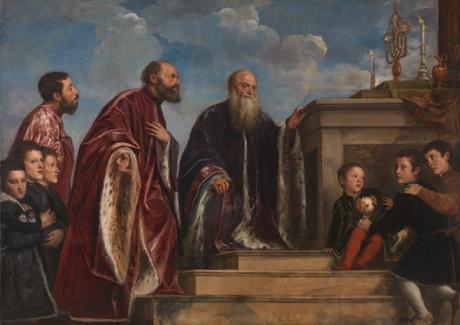
How the adoption of canvas in Venice changed the way artists painted

Art historian Cleo Nisse has published a new book, *Venetian Canvas and the Transformation of Painting*, examining how 16th-century Venetian painters such as Titian, Veronese, and Tintoretto pioneered the use of canvas as a painting support. Nisse reveals that canvas was not a uniform material—artists experimented with different weaves, including tabby and herringbone patterns, and even repurposed sailcloth and tablecloth-quality fabrics to achieve specific visual effects. The book argues that canvas was already familiar in the late Middle Ages for banners and alternatives to tapestry, and that Vittore Carpaccio was the first master of the medium, varying canvas types for expressive purposes in his *Legend of St Ursula* series.