

filter_list Showing 3 results for "The Thomas Crown Affair" close Clear
search
dashboard All 3 article culture 3
date_range Range Today This Week This Month All
Subscribe

A truckload of F1 KitKats, a painting of fish: what is it that makes heists so delicious? | Imogen West-Knights

The article explores the curious public fascination with high-profile heists, using two recent examples as a springboard: the theft of 12 tons of Formula 1-themed KitKats from a truck in Italy and the robbery of paintings by Renoir, Cézanne, and Matisse from a museum in northern Italy. The author notes that such stories reliably go viral, not due to outrage but because people find them thrilling and even amusing, especially when the victims are large corporations or when the crime feels audacious and tangible.

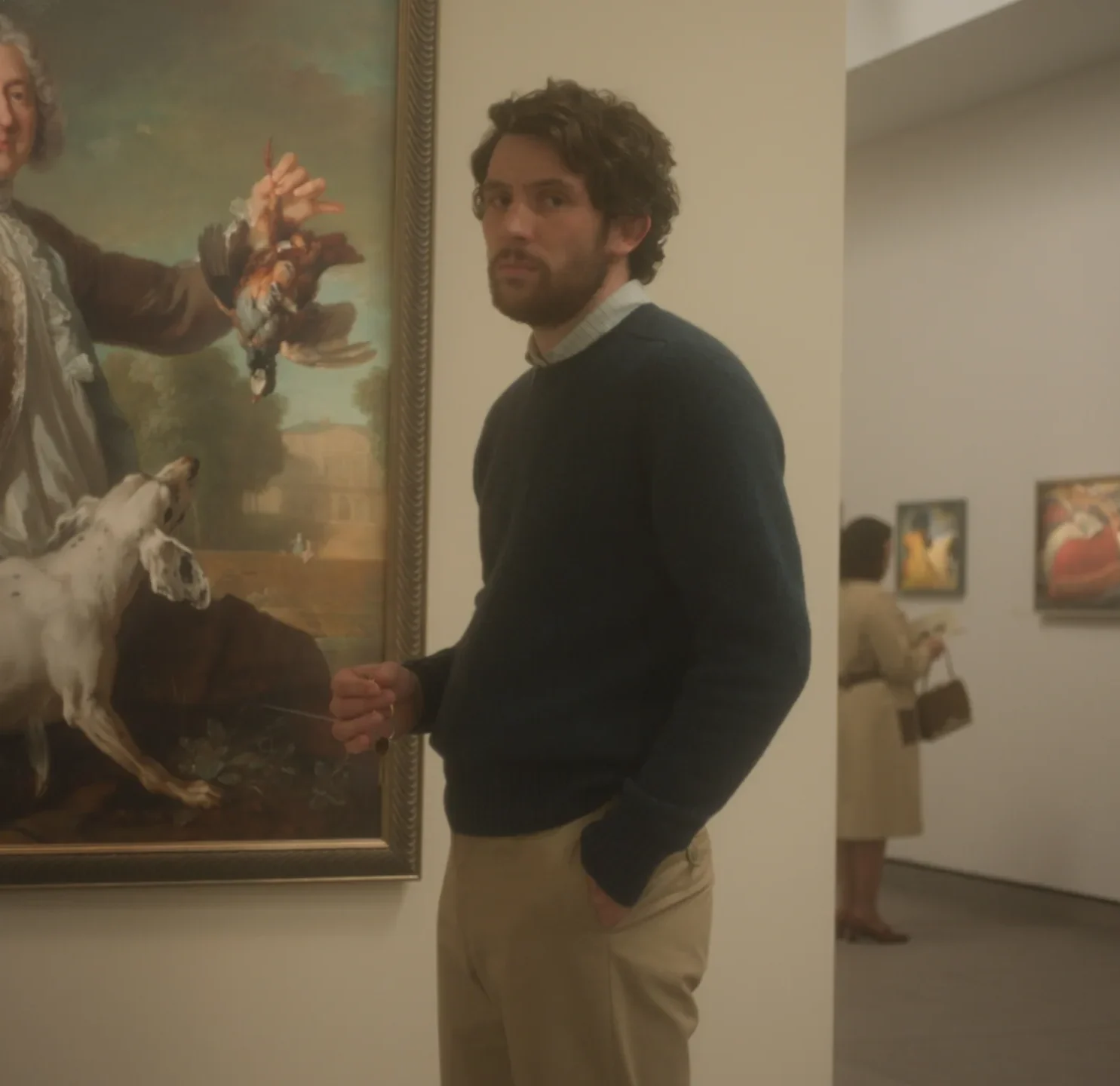
secrets of the metropolitan museum

The article reveals little-known secrets about the Metropolitan Museum of Art, including that its first home was not on Fifth Avenue but at 681 Fifth Avenue, and later the Douglas Mansion, before moving to its current location in 1879. It also notes that the museum's original red-brick facade is barely visible today, hidden within the Robert Lehman Wing, and that its first director, Luigi Palma di Cesnola, controversially mixed and matched parts of ancient sculptures to create composite works, while also misrepresenting their provenance.

art heist genre film tv books guide

This article from Cultured explores the history and evolution of the art heist genre across film, television, and books. It traces the genre's origins from the 1911 theft of the Mona Lisa by Vincenzo Peruggia to its appearance in 19th-century detective serials by Agatha Christie and Arthur Conan Doyle, and later in French New Wave noirs and slick 1990s heist films. The piece highlights recent entries like Kelly Reichardt's film *The Mastermind* starring Josh O'Connor, and compiles a list of key works including *Animal Crackers* (1930), *How to Steal a Million* (1966), *The Thomas Crown Affair* (1968/1999), and *Hudson Hawk* (1991), noting how the genre reflects changing attitudes toward wealth, crime, and the sublime power of art.