
filter_list Showing 3 results for "The Wonderful Wizard of Oz" close Clear
search
dashboard All 3 museum exhibitions 2article culture 1
date_range Range Today This Week This Month All
Subscribe

art bites illustrator marginel wright enright frank lloyd wright sister

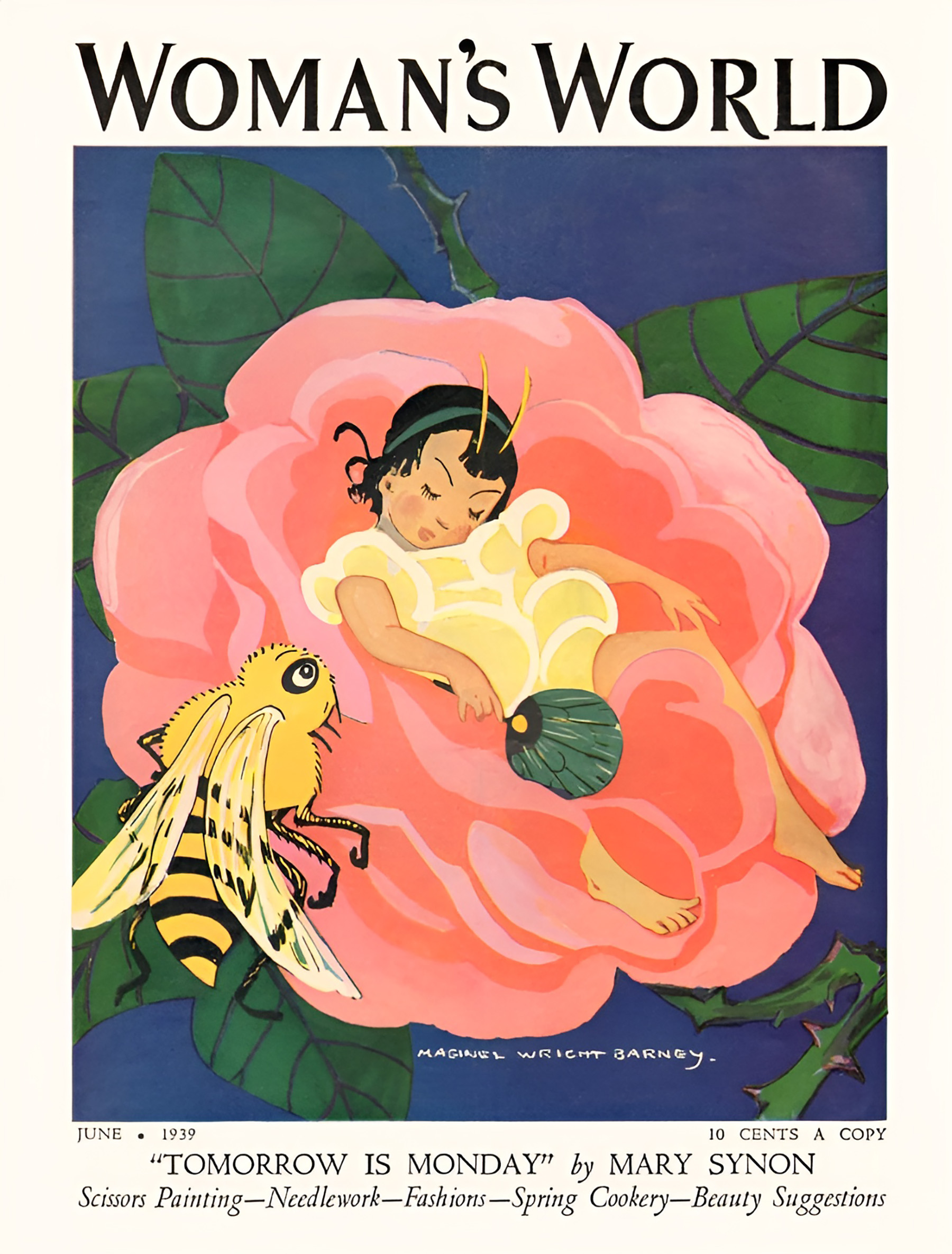
Maginel Wright Enright, the youngest sister of famed architect Frank Lloyd Wright, is the subject of this article highlighting her career as a prolific children's book illustrator and commercial artist. Born in 1877, she studied at the Chicago Art Institute and worked for the engraving firm Barnes, Crosby Co. before illustrating 63 children's books, including works by L. Frank Baum (author of *The Wonderful Wizard of Oz*), Johanna Spyri's *Heidi*, and Clara Ingram Judson's *Flower Fairies* series. She also contributed to magazines such as *Woman's World* and *McClure's*, and created a World War I poster.
Stories That Shape Us: Building Stories Reflections

Staff at the National Building Museum share their favorite children's books in celebration of World Book Day, as part of the exhibition 'Building Stories.' Each staff member selects a book that has influenced their imagination or professional work, ranging from century-old illustrated alphabets like C.B. Falls' 'ABC Book' to contemporary picture books such as Christian Robinson's 'Another' and Tony Hillery's 'Harlem Grown.' The selections highlight how storytelling and the built environment intersect, with books like 'Goodnight Moon,' 'Eloise,' and 'The Snowy Day' offering personal and professional insights.

A world of magic and monsters arrives at the CU Art Museum

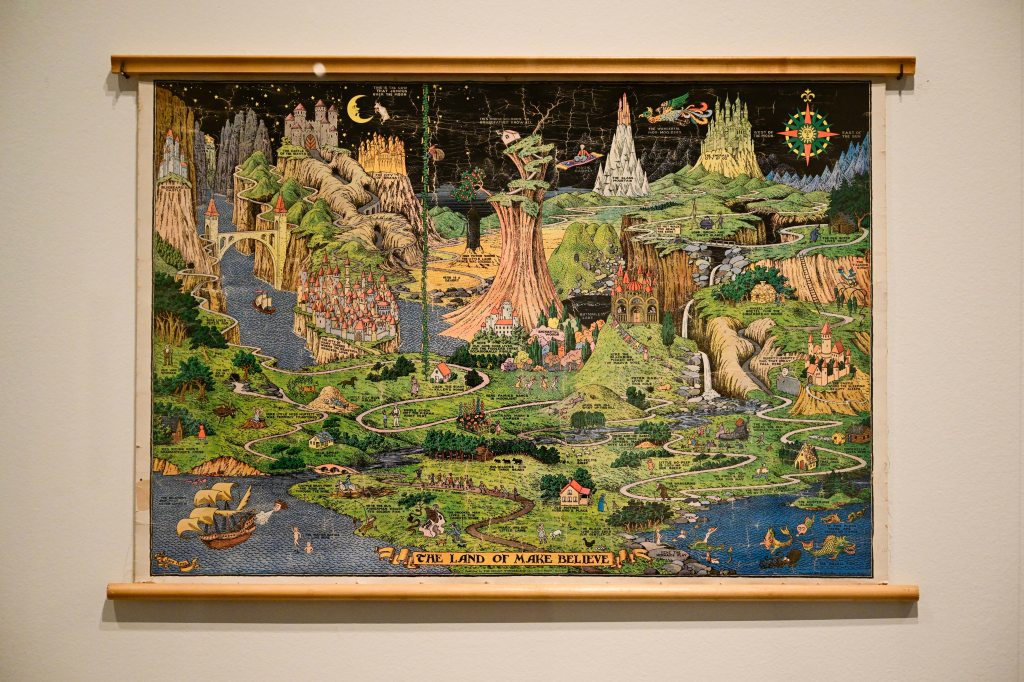
The CU Art Museum at the University of Colorado Boulder has launched "Fairy Tales and the Power of Wonder," an exhibition that explores the dark and complex origins of folklore. Moving away from sanitized modern interpretations, the show features a diverse array of works including Jaro Hess’s "The Land of Make Believe," Don Ed Hardy’s "Sea Dragon," and rare illustrated books like William Wallace Denslow’s "Wonderful Wizard of Oz." The display utilizes early fantasy maps and historical artifacts to ground visitors in the "geography of the impossible."