
filter_list Showing 3 results for "Tomie Ohtake" close Clear
dashboard All 3 museum exhibitions 3
date_range Range Today This Week This Month All
Subscribe

Frieze New York Is an Assembly-Line Salad

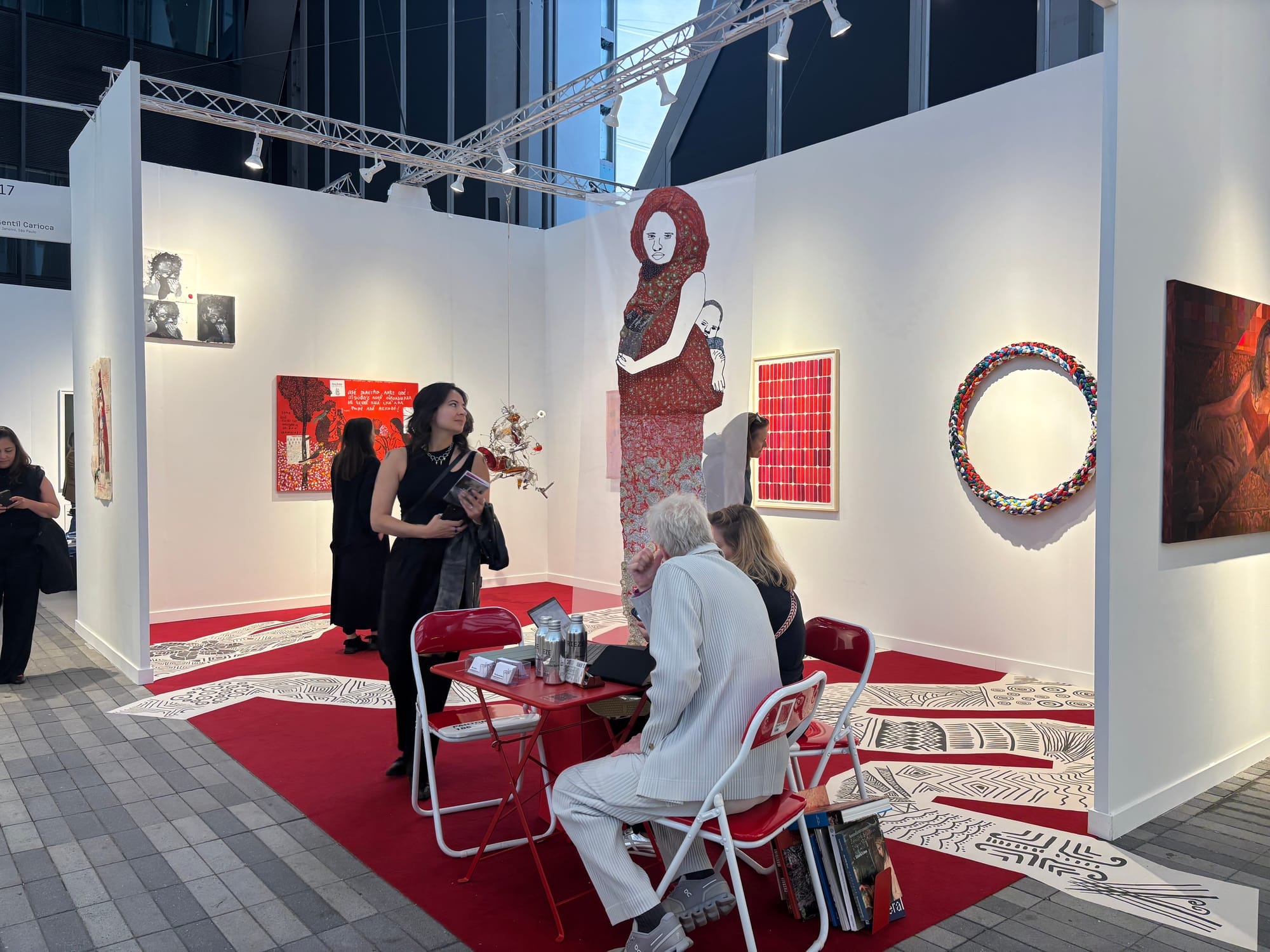
At Frieze New York, curator Lucien Zayan searches for artworks exploring the relationship between food and art, finding a piece by Aki Goto at Europa gallery that reflects on sugar, colonization, and cavities. The fair features works like David Lamelas's "To Pour Milk into a Glass" (1972) from Dia Art Foundation and Mungo Thomson's "Snowman" (2023) at Karma, while a performance by Kite (Oglála Lakȟóta) at the Counterpublic triennial booth offers a reprieve from the monotonous fair experience.

FROM SÃO PAULO TO NEW YORK: THE MUSEUM OF ERRANCY OF ÉDOUARD GLISSANT

DE SÃO PAULO A NUEVA YORK: EL MUSEO DE LA ERRANCIA DE ÉDOUARD GLISSANT

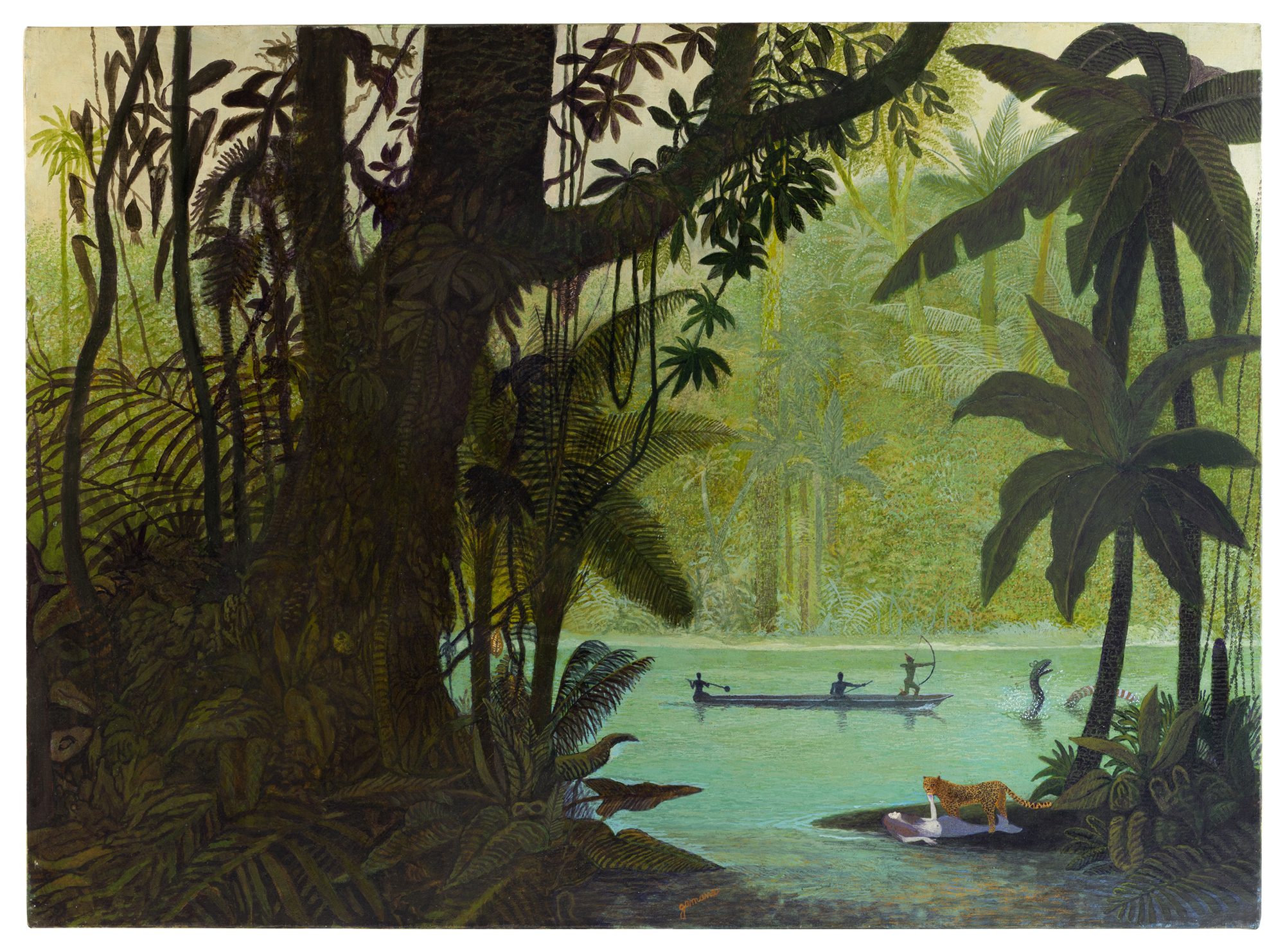
The exhibition "La tierra, el fuego, el agua y los vientos: Por un Museo de la Errancia con Édouard Glissant" has traveled from the Instituto Tomie Ohtake in São Paulo to the Center for Art, Research and Alliances (CARA) in New York, marking its first U.S. presentation. Curated by Manuela Moscoso with Marian Chudnovsky, and building on prior work by Ana Roman and Paulo Miyada, the show engages with the philosophy of Martinican poet and philosopher Édouard Glissant, particularly his concepts of errantry, Relation, opacity, and the Tout-Monde. It centers on Glissant's unrealized idea of a museum as a fluid, porous space that resists colonial frameworks and fixed origins, featuring works by artists such as Melvin Edwards, Gerardo Chávez, and Eduardo Zamora.

The Earth, the Fire, the Water, and the Winds: For a Museum of Errantry with Édouard Glissant

The Center for Art, Research and Alliances in New York presents "The Earth, the Fire, the Water, and the Winds: For a Museum of Errantry with Édouard Glissant," running from February 28 to May 10, 2026. The exhibition focuses on the Martinican poet and philosopher Édouard Glissant's personal art collection, tracing how his key concepts—opacity, relation, and creolization—emerged through his engagement with artworks and artists. It features works by artists such as Agustín Cárdenas, Victor Anicet, Eduardo Zamora, Gerardo Chávez, José Gamarra, and M. Emile, and travels from Instituto Tomie Ohtake in São Paulo.