
filter_list Showing 6 results for "Vassily Kandinsky" close Clear
search
dashboard All 6 museum exhibitions 5article culture 1
date_range Range Today This Week This Month All
Subscribe

22 art exhibitions in L.A. to look forward to in 2026

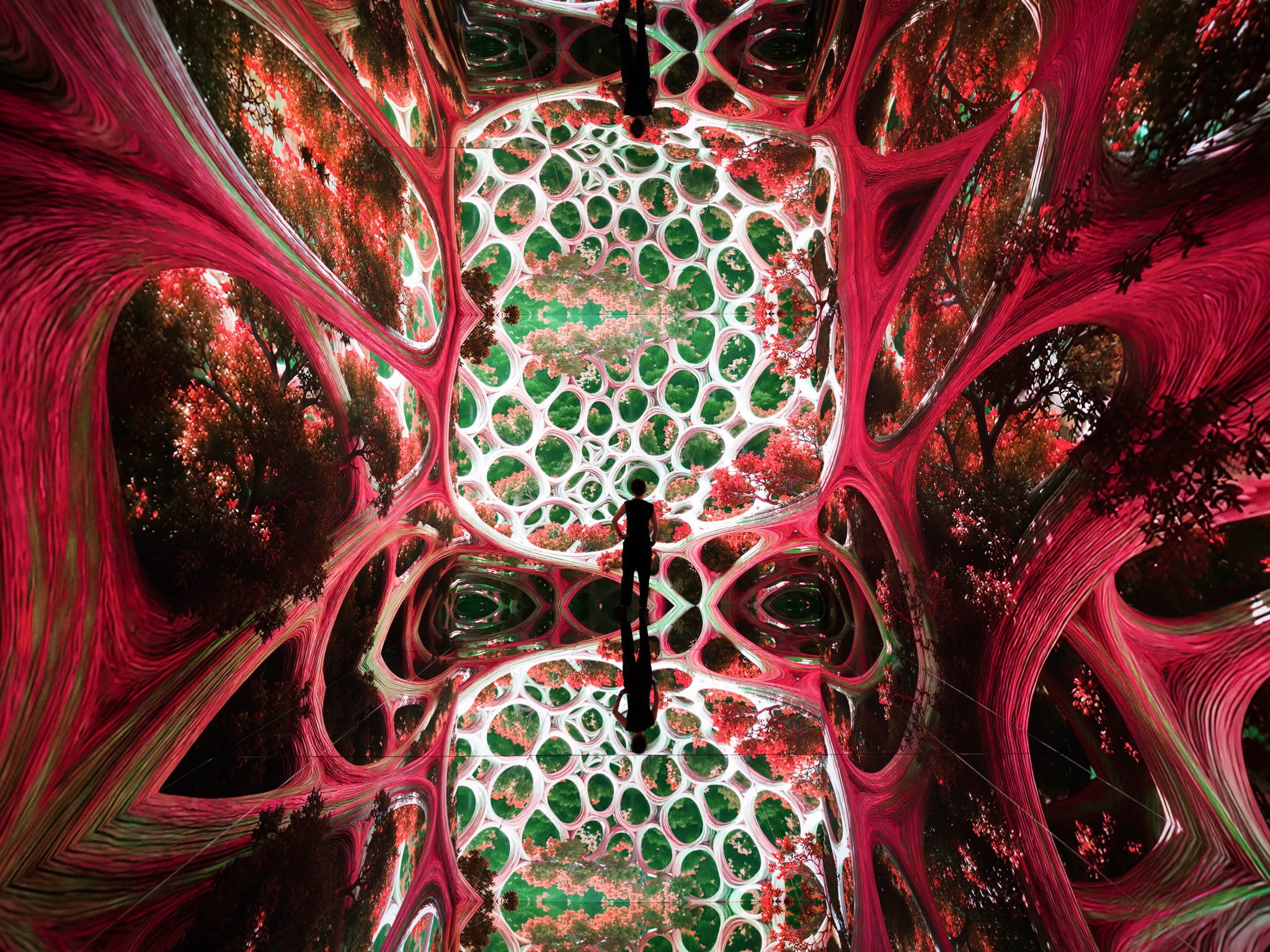
Los Angeles is set for a major year in visual arts in 2026, with 22 notable exhibitions and events planned across the city. Highlights include the opening of the world’s first AI arts museum (Dataland), the long-awaited Lucas Museum, Yoko Ono’s first solo show in L.A., and the LA Art Show featuring Sylvester Stallone’s abstract works and a new Latin American Pavilion. Other exhibitions include a Selena retrospective at the Grammy Museum and a video art survey at the historic Variety Arts Theater.
6 musées incontournables à visiter à Venise

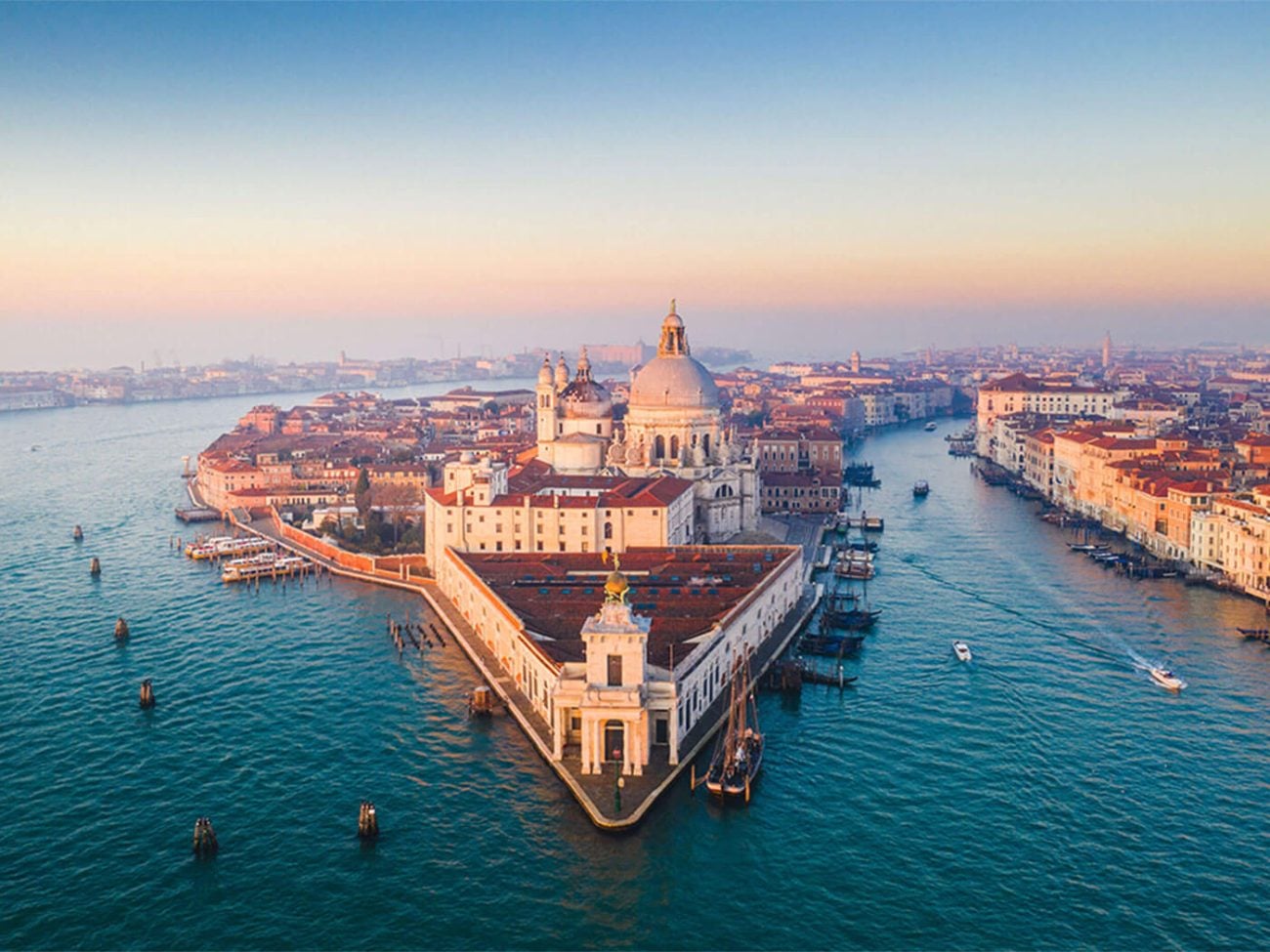
Beaux Arts Magazine highlights six must-visit museums in Venice, including the Palazzo Ducale, Gallerie dell'Accademia, Peggy Guggenheim Collection, and the Pinault Collection venues Palazzo Grassi and Punta della Dogana. The article notes that during the Biennale, the city is filled with free pavilions, but the main museums have high entry fees, offset by passes like the Venice Museum Pass (€59) and Venice City Pass (€119). It also mentions a current Marina Abramović exhibition at the Gallerie dell'Accademia, marking her as the first living female artist honored there.

Au musée Marmottan Monet, la peinture de Giovanni Segantini hisse la modernité au sommet des Alpes

The Musée Marmottan Monet in Paris is hosting the first retrospective in France of Giovanni Segantini (1858–1899), a major but little-known figure of Symbolism. The exhibition traces his career through the lens of his geographical ascent into the Alps, from his early success with "Ave Maria à la traversée" (1886–1888) to his final triptych "La Vie, La Nature, La Mort," which he was working on when he died at age 41. Segantini's divisionist technique, which Vassily Kandinsky considered a precursor to abstraction, is highlighted as a means of expressing a dematerialized vision of the world.

In conversation with Mia curator Tom Rassieur: 1940s Germany, modern art and its mirrors today

The Minneapolis Institute of Art has opened a major exhibition, 'Modern Art and Politics in Germany 1910-1945: Masterworks from the Neue Nationalgalerie, Berlin.' The show, curated by Tom Rassieur, presents a chronological journey through German art from the Expressionist era through the World Wars, featuring key works by artists like Ernst Ludwig Kirchner, Vassily Kandinsky, and Franz Marc. It highlights groups like Der Blaue Reiter and uses deliberate pairings, such as portraits of Jewish art dealers by Otto Dix and Lovis Corinth, to explore themes of societal tension, propaganda, and identity.

Ackland Art Museum to Open Two Major Exhibitions Exploring Identity and Color

The Ackland Art Museum in Chapel Hill will open two new exhibitions on January 30, 2026. "Bill Bamberger: Boys Will Be Men" presents introspective portraits of male students from Durham School of the Arts, exploring masculinity through photography and audio interviews. "Color Concentrated: A Salon-Style Show from the Robertson Collection" reimagines modernist works from the museum's collection in a dense, single-wall installation inspired by 19th-century Parisian Salons.

Hilma af Klint en 2 minutes

Hilma af Klint (1862–1944) is profiled as a pioneering Swedish abstract artist who created a vast body of visionary, large-scale abstract paintings decades before Kandinsky, yet kept them secret during her lifetime. The article traces her life from a childhood steeped in science and nature, through her studies at the Royal Academy of Fine Arts in Stockholm, to her dual artistic practice: conventional landscapes and portraits for income, and radically abstract works guided by spiritualist séances and theosophical beliefs. She founded the group "The Five" with fellow female artists, and from 1906 onward produced the monumental series "Paintings for the Temple" (193 works), convinced she was channeling a higher force. She stipulated in her will that her abstract works not be revealed until 20 years after her death, and they were only rediscovered in the late 1960s.