filter_list Showing 7 results for "Vatican Pavilion" close Clear
dashboard All 7 article culture 2museum exhibitions 2rate_review review 2person people 1
date_range Range Today This Week This Month All
Subscribe

What does a woman swimming in urine tell us about the state of the world? Lots! – Venice Biennale review

The 2026 Venice Biennale, curated by the late Koyo Kouoh under the theme "In Minor Keys," has been plagued by months of turmoil including countries withdrawing, artists being fired, exhibitions cancelled, funding pulled, and protests during the preview. A five-person curatorial team took over after Kouoh's death, resulting in what the critic describes as a disjointed, committee-driven exhibition that prioritizes quiet contemplation and healing over direct political engagement. The central shows in the Giardini and Arsenale feature a vast, poorly explained array of art from the global south, with installations of ceramics, textiles, slide projectors, and serene natural scenes that the critic finds anachronistic and dull.
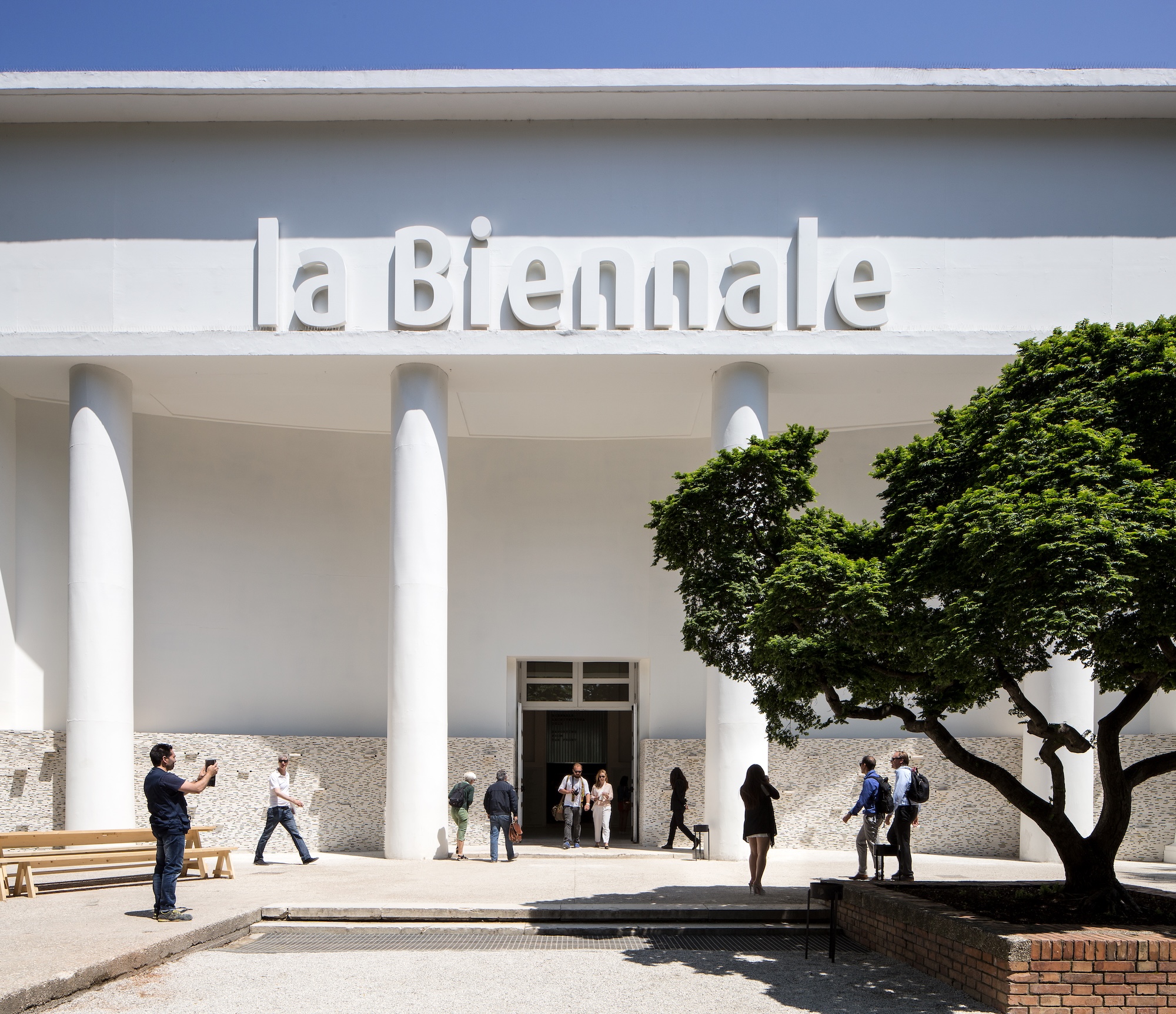
Review: The Good, The Bad and The Venice Biennale

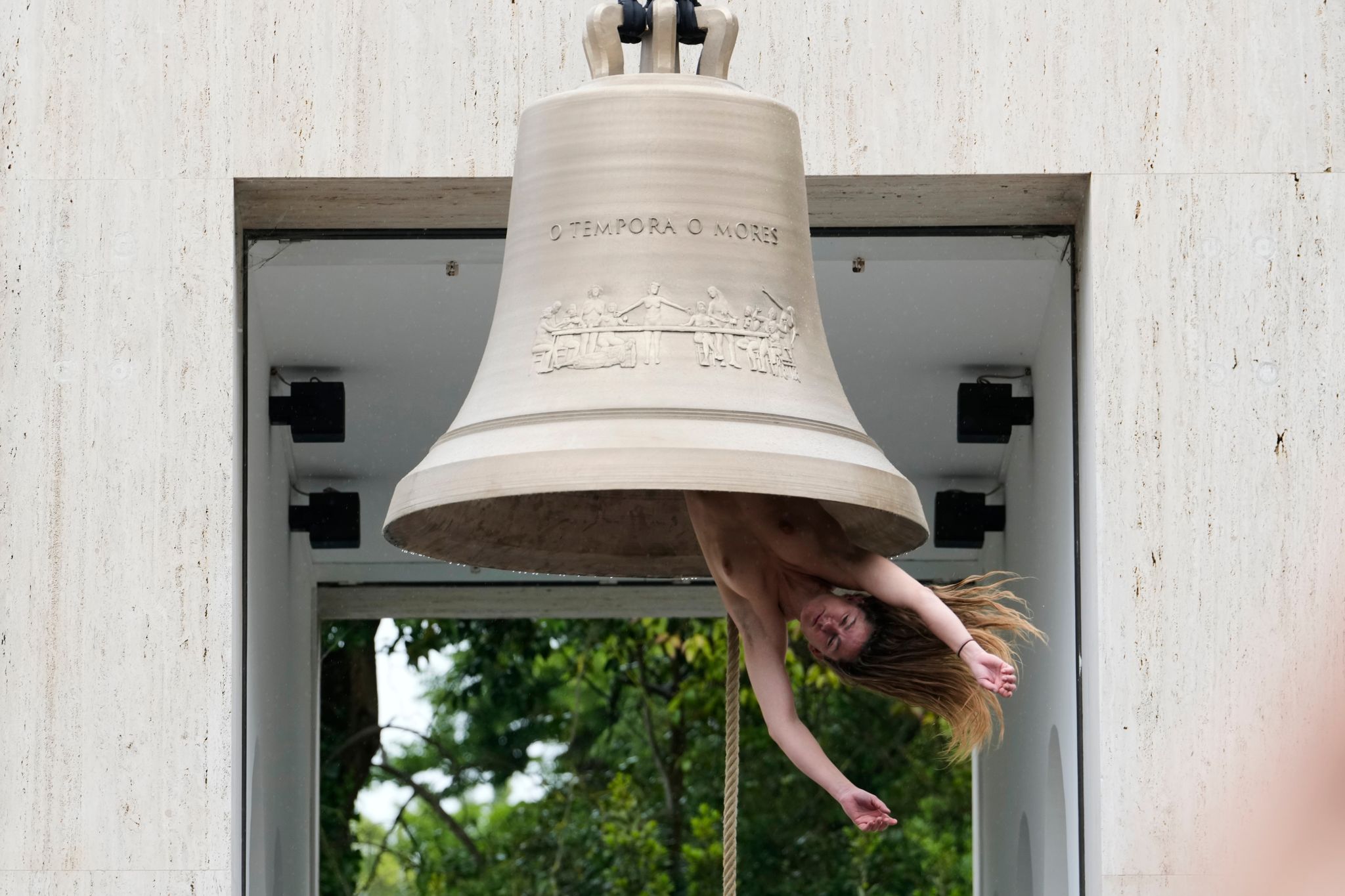
The article reviews the 2024 Venice Biennale, focusing on controversies over Russia's and Israel's participation. Protests erupted during opening week, leading the EU to cut funding and the International Jury to resign. As a result, awards like the Golden Lion and Silver Lion will be decided by public vote, with many pavilions and artists withdrawing in protest. The main exhibition, curated under the theme 'Minor Keys,' features standout works by Alfredo Jaar and Carrie Schneider, alongside national pavilions like Austria's provocative entry by Florentina Holzinger.

literature hans ulrich obrist curator book

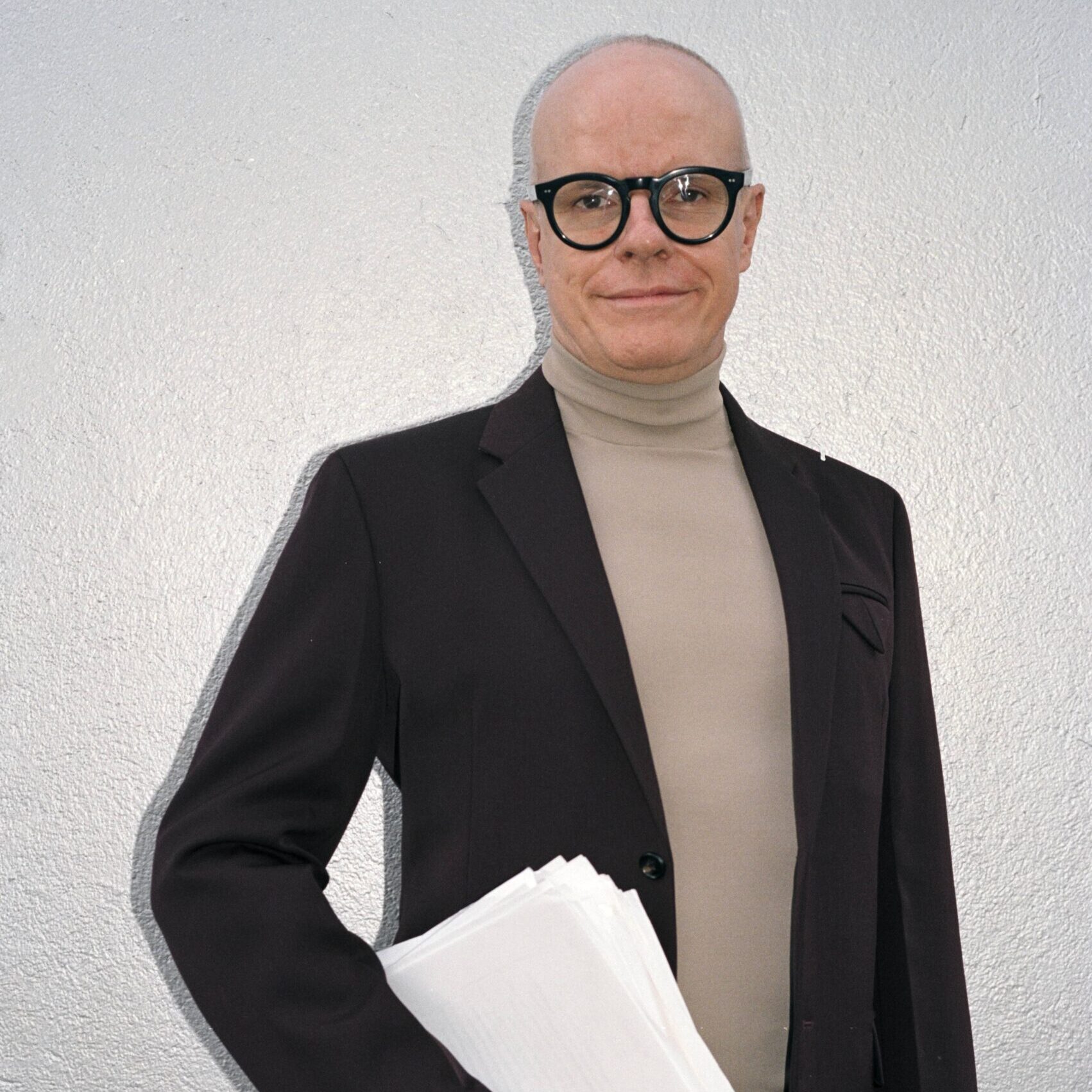
Hans Ulrich Obrist, the prolific Swiss curator and artistic director of Serpentine Galleries, discusses his lifelong passion for books in a new interview timed to the U.S. release of his memoir "Life in Progress." Obrist reveals his daily ritual of buying a book, which has amassed an archive of over 40,000 volumes housed at LUMA Arles, and shares current reading recommendations including Kenneth O. Stanley's "Why Greatness Cannot Be Planned." He also reflects on the serendipitous origins of his Instagram Post-it note project, inspired by philosopher Umberto Eco and artist-poet Etel Adnan.

"Gesundheitseffekt der Künste auf biologischer Ebene"

A roundup of art news covers multiple stories: Stefan Trinks criticizes Berlin's 'MuseumsMeileMitte' as a symptom of urban and cultural misdevelopment, where museums are co-opted by real estate marketing. At the Venice Biennale, the German Pavilion by Henrike Naumann and Sung Tieu explores East German identity and post-reunification trauma, while Patti Smith performed a 'sonic prayer' at the Vatican Pavilion curated by Hans Ulrich Obrist and Ben Vickers. A study from University College London suggests regular arts engagement may slow biological aging.

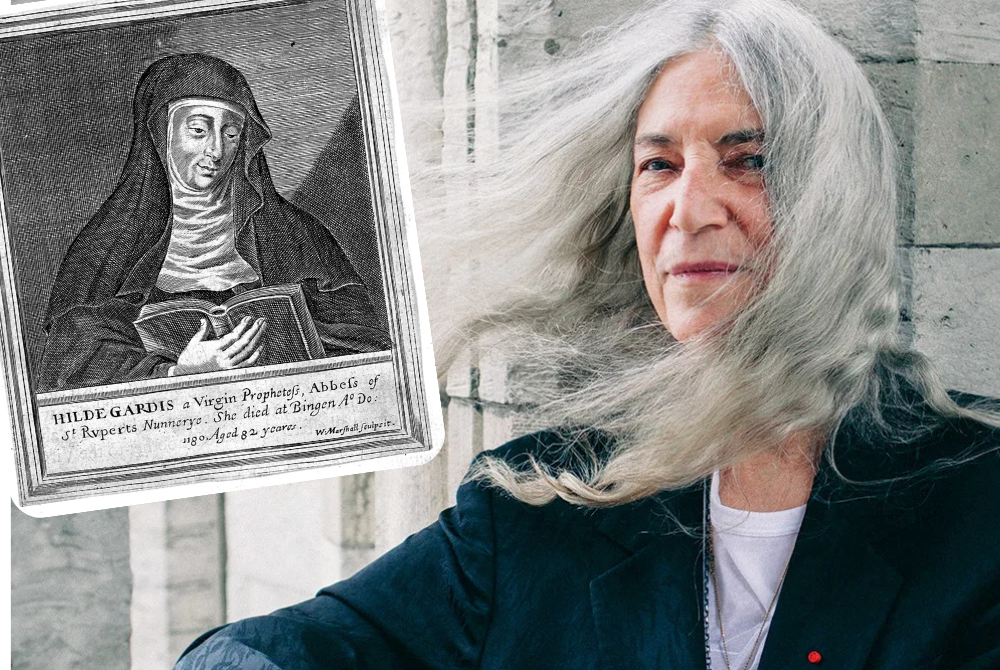
The Daughters of Sound. Hildegard of Bingen and Patti Smith are at the Vatican Pavilion at the Biennale

Le figlie del suono. Ildegarda di Bingen e Patti Smith sono al Padiglione Vaticano alla Biennale

The article profiles a meeting between the author and Patti Smith, exploring her new memoir "Bread of Angels" and her connection to the 12th-century Benedictine abbess and mystic Hildegard of Bingen. Both women are presented as figures who see music as a living resonance that can awaken a primordial, sacred vibration within humanity. The piece also notes that Smith wrote the preface to the author's book "A passo d'uomo" and that both she and Hildegard are featured at the Vatican Pavilion at the Venice Biennale.

And who are you?

Und wer seid ihr?

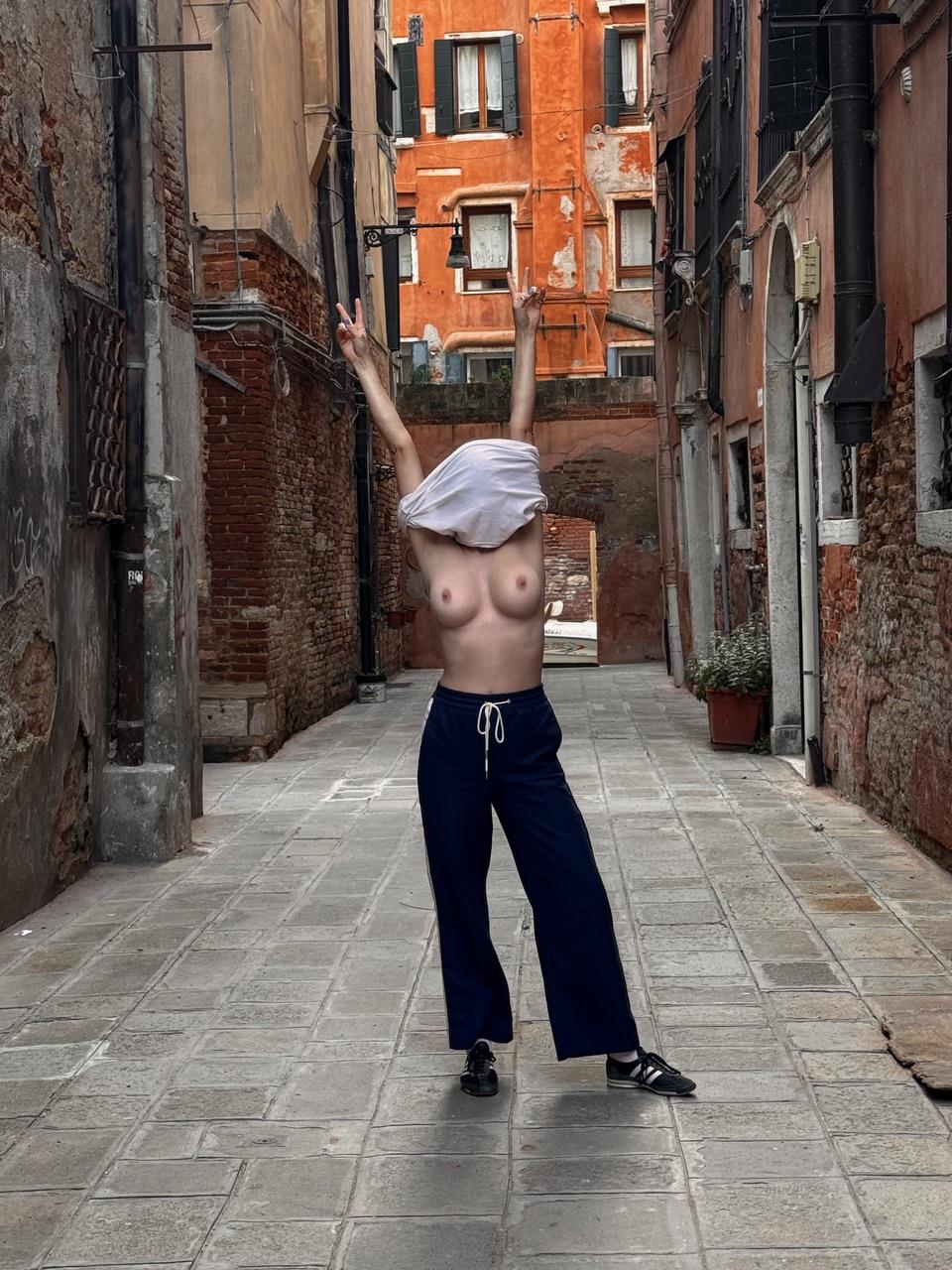
The article is a brief interview conducted at the Venice Biennale, where a visitor named Franzi explains her presence at the event and discusses her favorite pavilion. She cites the Austrian Pavilion by Florentina Holzinger as her absolute favorite after five days of art, and clarifies that her bare chest is not a political protest against Putin but a homage to Holzinger's work. She also mentions missing the Vatican Pavilion due to long queues.

Venice Biennale opens without a jury amid strife over Russian and Israeli participation

The Venice Biennale, one of the world's most prestigious contemporary art exhibitions, opens its most contested edition in memory without a jury after the jury resigned in protest over the participation of Israel and Russia, both under investigation by the International Criminal Court for human rights abuses. Protests have erupted outside the Israeli and Russian pavilions, with demonstrators clashing with police, while feminist groups from Ukraine and Russia converged on the Russian Pavilion and Palestinians remembered artists killed in Gaza. The Biennale has replaced the jury with a public vote via email, with winners announced at the close on November 22.