
filter_list Showing 3 results for "Welcome Home" close Clear
dashboard All 3 museum exhibitions 2article local 1
date_range Range Today This Week This Month All
Subscribe

City of the Arts? Costa Mesa called out for not having official arts budget

Costa Mesa’s Arts Commission delivered a report to the City Council on Tuesday, calling for a significant increase in arts funding as the city updates its arts and culture master plan. Currently, arts programs are primarily funded by a portion of cannabis tax revenue—about $230,000 annually—but actual expenditures are nearly double that, forcing the city to use general fund revenue to cover the gap. Commissioners recommended establishing a public art fund, increasing the cannabis tax allocation, imposing a 1% public art fee on capital projects over $500,000, and potentially using hotel-stay tax revenue to support the arts. They also proposed expanding the arts grants program, funding a consultant to update the master plan, and creating a dedicated arts specialist position.
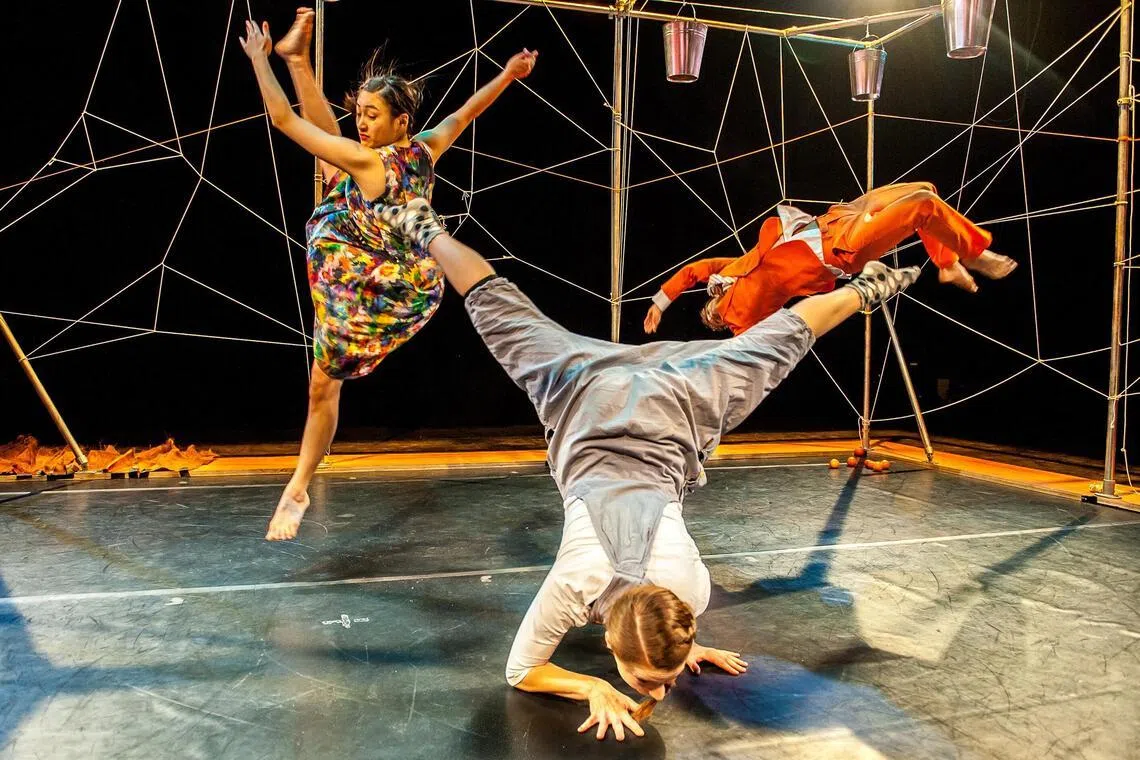

Akram Khan Dance Company, Barrowland Ballet & other art shows to look out for

The Singaporean art gallery Utterly Art is making a return through a collaboration with the Visual Arts Centre (VAC) at its former Chinatown location. Rebranded as VAC Art Gallery And Studio, the space has been revamped by VAC director Iola Liu to serve as both a retail gallery and an art studio. The inaugural group exhibition, titled "Welcome Home!", features works by 20 local and Southeast Asian artists across various media, including street art, pop art, and traditional still life.

Welcome Home: A Pop-up Art Exhibition

A pop-up art exhibition in Philadelphia explores the dismantling of Isaiah Zagar's public mural *Skin of the Bride* (c. 1990-2001), a ceramic-and-tile mosaic originally housed in a community arts center. The building was sold in 2017, purchased by a real estate developer in 2023, and despite efforts to protect the mural as a historic site, it is slated for demolition. The Magic Gardens team selectively removed certain tiles, including Mexican folk art, while leaving others behind, altering the artwork's visual integrity. The exhibition presents fragments of Zagar's work alongside a video installation and a multimedia piece reflecting on memory and placemaking.