
filter_list Showing 3 results for "alfred tennyson" close Clear
search
dashboard All 3 article culture 2article local 1
date_range Range Today This Week This Month All
Subscribe

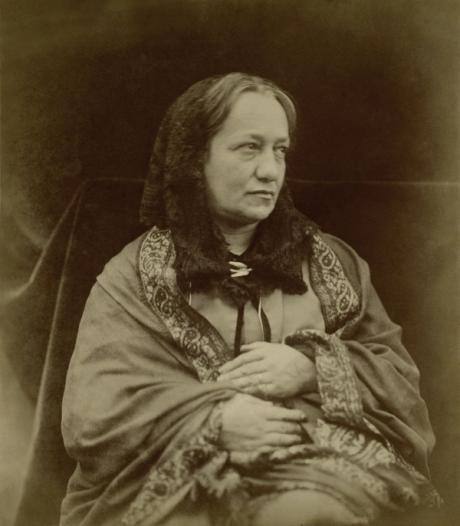
Pioneering British photographer Julia Margaret Cameron honoured with a blue plaque in London

A blue plaque has been unveiled on the London home of pioneering British photographer Julia Margaret Cameron at 10 Chesham Place in Belgravia, celebrating her legacy. Cameron took up photography at age 48 and created iconic portraits of figures like Alfred Tennyson, Charles Darwin, and Thomas Carlyle, as well as images of her family and neighbors. The plaque was installed by English Heritage, with family members including musician Jules Cameron, singer Jasmine van den Bogaerde (Birdy), and artist Julian Bell attending the ceremony. Cameron's great-great-great-granddaughter Jules Cameron noted that the honor feels like a continuation of her work to fix presence in light and memory.

10 art historical deep dives

Artnet News published a roundup of 10 art historical deep dives from 2025, curated by an editor who expresses a deep passion for art history. The article highlights several featured stories, including the eccentric tale behind Carl Kahler's monumental cat painting "My Wife's Lovers" (1891), commissioned by Gilded Age patron Kate Birdsall Johnson; the record-breaking sale of Gustav Klimt's "Portrait of Elisabeth Lederer" for $236.4 million at Sotheby's New York, with its rich symbolism and Imperial Chinese motifs; the online resurgence of August Friedrich Schenck's obscure 19th-century painting "Anguish" (ca. 1878), popularized by TikTok; and the centenary of F. Scott Fitzgerald's "The Great Gatsby" with a deep dive into Francis Cugat's iconic cover art "Celestial Eyes" (1924).

waterhouse tennyson lady of shalott

English painter John William Waterhouse created three paintings based on Lord Alfred Tennyson's poem "The Lady of Shalott," depicting a cursed woman from Arthurian legend. The article explores Waterhouse's deep admiration for Tennyson, noting that he filled his copy of Tennyson's works with sketches. It reveals that Waterhouse painted the story in reverse chronological order, starting with the final scene in 1888, then the moment of temptation in 1894, and finally the lady's lament in 1915. The article also identifies the model for the first painting as likely Waterhouse's wife, artist Esther Kenworthy Waterhouse, and describes symbolic details in the work, such as the snuffed candles foreshadowing death.