filter_list Showing 6 results for "ancient art" close Clear
dashboard All 6 museum exhibitions 4article culture 1article local 1
date_range Range Today This Week This Month All
Subscribe

In Belgio inaugura BRUSK. A Bruges un nuovo museo ibrido dall’arte antica all’AI

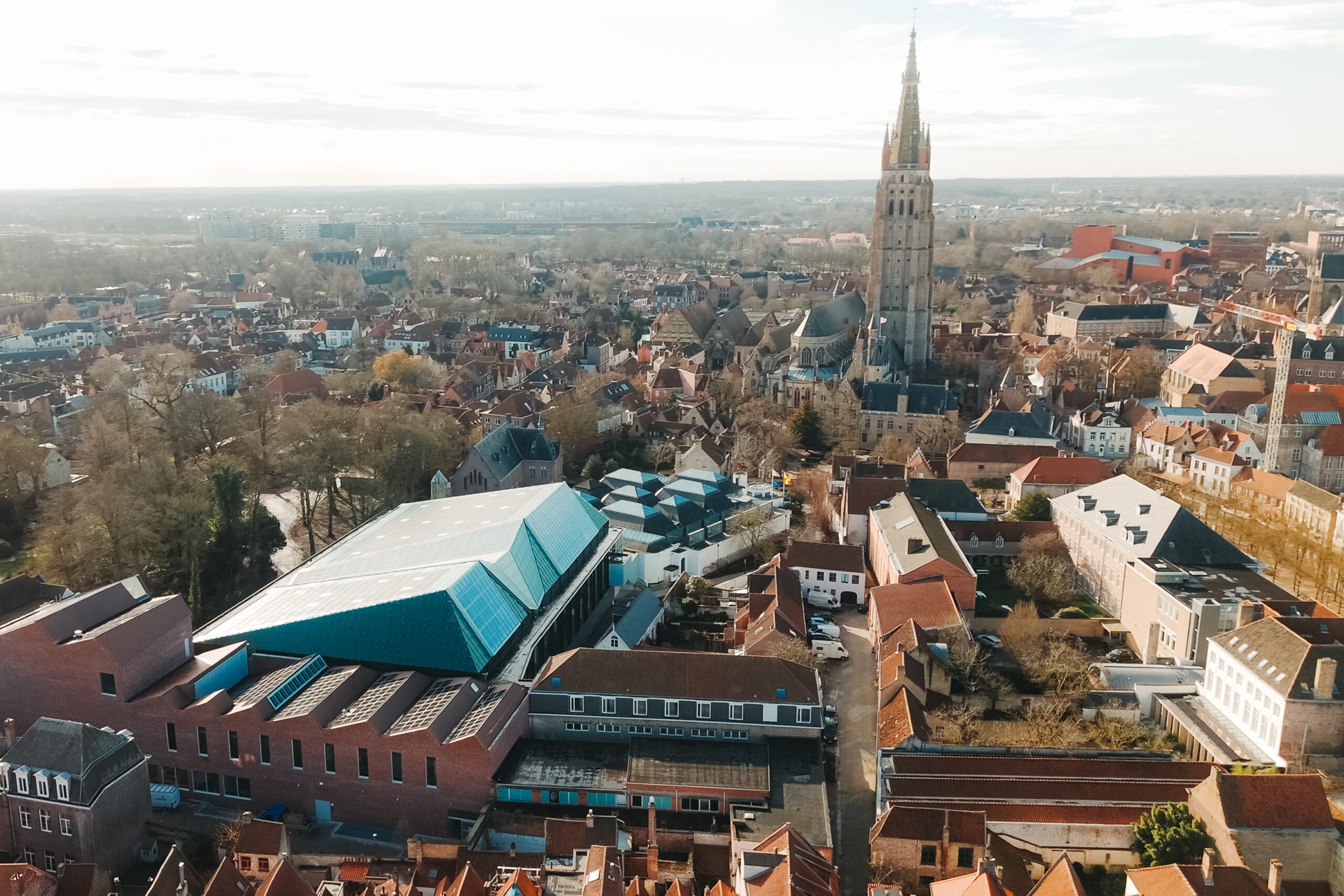
A new hybrid cultural center called BRUSK has opened in Bruges, Belgium, designed by Robbrecht en Daem and Olivier Salens. Part of the Musea Brugge network, the venue blends ancient art with contemporary and AI-driven works, featuring two inaugural exhibitions: "Bigger Picture. Connected Worlds of Bruges 900–1550," a historical survey co-curated with historian Peter Frankopan, and "Latent City," the first Belgian solo show of digital artist Refik Anadol. The building offers free ground-floor public spaces, including a café and a permanent mural by Laure Prouvost, aiming to attract both tourists and locals.
How Does an Art Fair Stand Apart? TEFAF NY Has an Answer.

TEFAF New York returns to the Park Avenue Armory from May 15-19, featuring 88 dealers and galleries from 14 countries across four continents. The fair distinguishes itself from competitors like Frieze, NADA, and Independent by offering an unusually broad range of works—from Modernist paintings and contemporary sculpture to ancient artifacts, fine jewelry, and design. Notable exhibitors include Gagosian showing Kathleen Ryan’s bejeweled fruit sculptures, Thaddaeus Ropac presenting newcomer Eva Helene Pade, and Belgian dealer David Lévy pairing Keith Haring with Willem de Kooning. Design is a particular highlight this year, with galleries such as Sarah Myerscough, Gomide&Co, and Modernity Stockholm showcasing everything from Shaker-inspired chairs to Brazilian modernist furniture and Scandinavian classics.

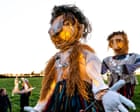
Go big or go home: how The Lost Giants revived the ancient art of goliath-making

The Lost Giants (TLG), an art collective based in Lostwithiel, Cornwall, is reviving the British tradition of making processional giants—large, community-built figures made from wood, cloth, and papier-mâché. Founded three years ago by theatre designer Ruth Webb and her sister-in-law Amy Webb, the group has created giants for events ranging from local lantern parades to a harvest procession at Hauser & Wirth’s Somerset gallery. This New Year’s Eve, environmentalist Lisa Schneidau joined a massive procession of these giants in Lostwithiel, describing it as an extraordinary experience. The collective recently issued a public callout for an environmental group to collaborate on making a new beastie.

SF Asian Art Museum provides cultural enrichment for visitors

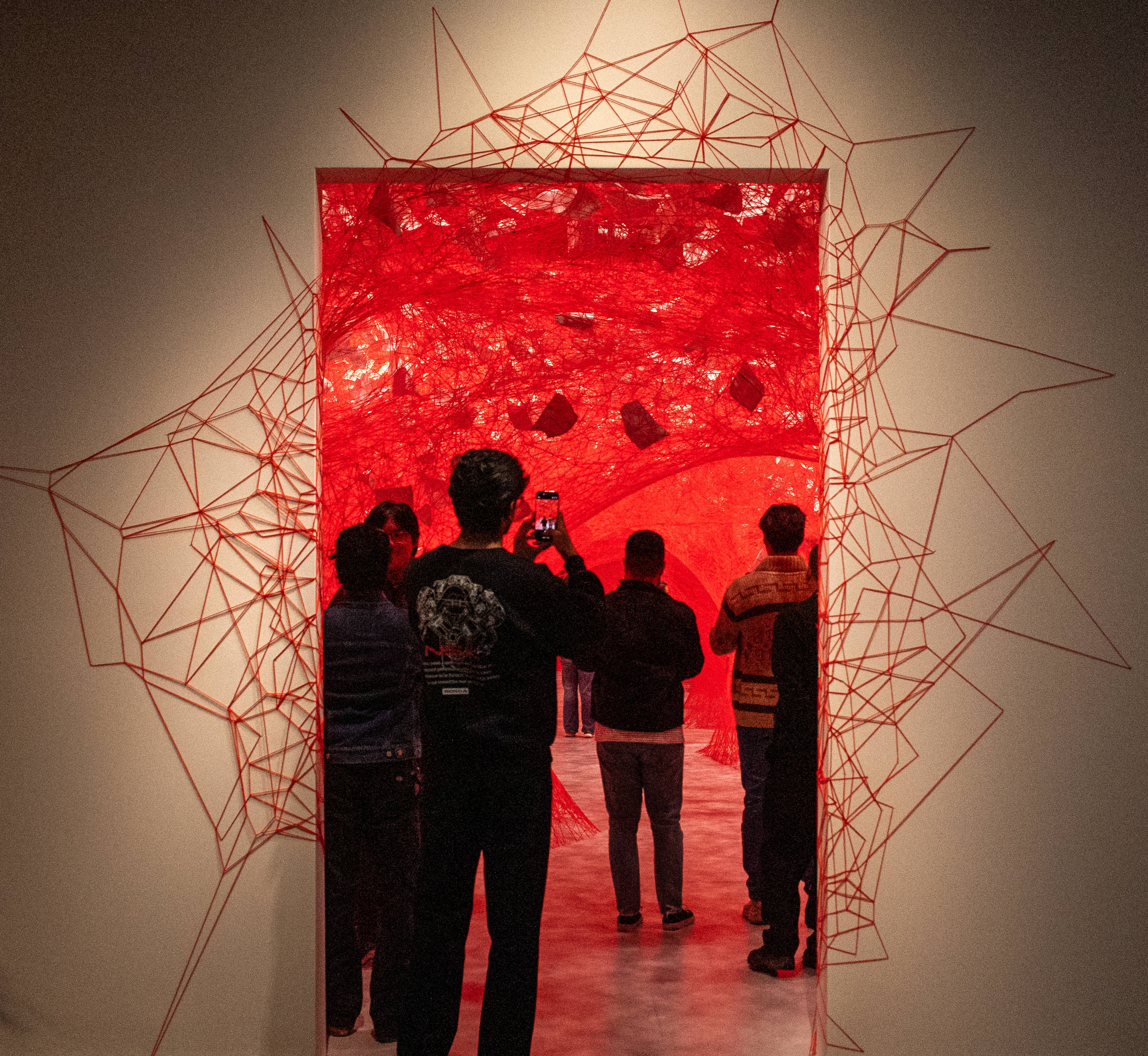
The Asian Art Museum in San Francisco, located at 220 Larkin Street, offers a vast collection of both contemporary and ancient art from across Asia, including Japanese, Chinese, and Southeast Asian works. The museum features permanent exhibits with artifacts such as a Japanese tea set, Chinese jade, and a notable Buddha sculpture dated to 338 C.E., alongside rotating special exhibitions like Chiharu Shiota's "Two Home Countries," which uses red string installations to explore bicultural identity. The museum also hosts events like Mahjong and Mocktails, film screenings, and talks, with general admission at $14 for students and $20 for adults.

The Etruscans Take Center Stage With the Legion of Honor’s Latest Exhibit

The Legion of Honor Museum in San Francisco has opened a new exhibition titled “The Etruscans: From the Heart of Ancient Italy,” running from May 2 to September 20. Curated by Renée Dreyfus, the show features over 20 objects from international institutions including the Vatican, the Louvre, and the National Etruscan Museum of Villa Giulia, highlighting the art, culture, and progressive social roles of women in Etruscan society through bronze and terracotta vessels, sculptures, and gold jewelry.

8,000-year-old artifact on display at Moose Jaw Museum & Art Gallery

Moose Jaw Museum & Art Gallery in Saskatchewan is presenting an exhibition titled "môso-tâpiskan: Indigenous Living Heritage," curated by local artist Sadi Rose Vaxvick. The show features artifacts from the permanent collection, including a projectile point identified by an archaeologist as 8,000 years old, as well as pottery pieces dating back 2,000 years. Vaxvick consulted an Indigenous advisory committee of elders, repatriation liaisons, historians, and Métis locals, and worked with language speakers to translate all artifact notations into their original Indigenous languages.