filter_list Showing 20 results for "art historical research" close Clear
search
dashboard All 20 museum exhibitions 11article news 8gavel restitution 1
date_range Range Today This Week This Month All
Subscribe

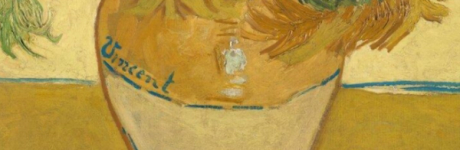
Why did Van Gogh sign his paintings as ‘Vincent’?

Art historian Julia Engelmayer has published a study titled 'Simply ‘Vincent’: An Overview of Van Gogh’s Signed Paintings' on the Van Gogh Museum's website, analyzing why and how Vincent van Gogh signed his works. The research reveals that only 133 of his 840 surviving paintings bear a signature (16%), an unusually low proportion for a 19th-century artist. Van Gogh signed with only his first name due to strained family relations and the difficulty non-Dutch speakers had pronouncing his surname. The study also highlights his predominant use of red signatures (on 75 works), angled signatures on over half of his signed pieces, and a distinctive horseshoe-shaped 'V' used during his Arles period.

hidden vermeer self portrait maid asleep

New research by the Metropolitan Museum of Art suggests that Johannes Vermeer may have hidden a self-portrait beneath his painting *A Maid Asleep* (1656–57). Using scientific analysis, the Met's team discovered an overpainted figure in the background—a man painting with his left hand, likely a reflection in a framed mirror. The image is too obscured to reveal facial features. The theory, first proposed by the Met in 2023, is bolstered by a comparison to Nicolaes Maes's *The Naughty Drummer* (1655), which similarly depicts an artist reflected in a mirror. The Met argues Vermeer likely knew Maes's work.

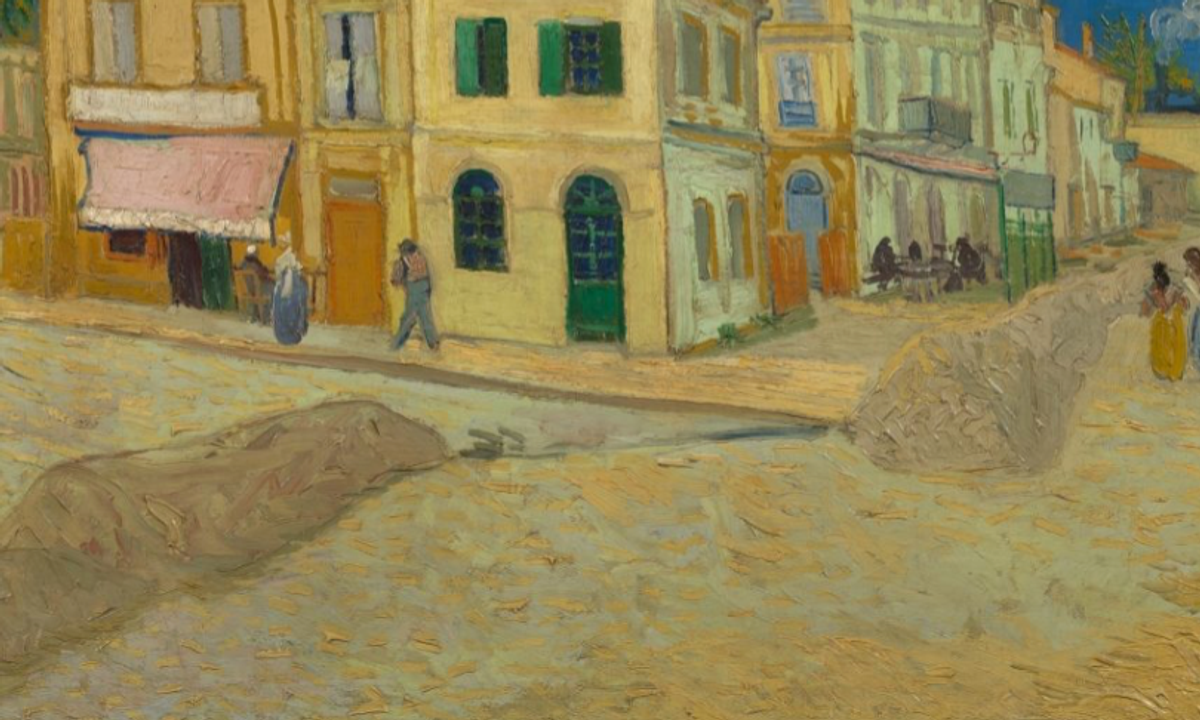
A manure mystery: why did Van Gogh depict heaps of sand in a painting of his beloved Yellow House?

A new study by Van Gogh Museum senior researcher Teio Meedendorp proposes that the mysterious piles of sand in Vincent van Gogh's 1888 painting "The Yellow House" are not, as previously thought, related to gas pipe installation, but rather cleansing sand used to absorb horse manure and urine on the streets of Arles. Meedendorp supports his theory with historical postcards from 1902 showing similar sand piles and street-cleaning practices, as well as municipal records indicating the city had outsourced dung removal in August 1888.

Van Gogh’s love of Hiroshige, the Japanese master of the landscape, is reflected in a British Museum exhibition

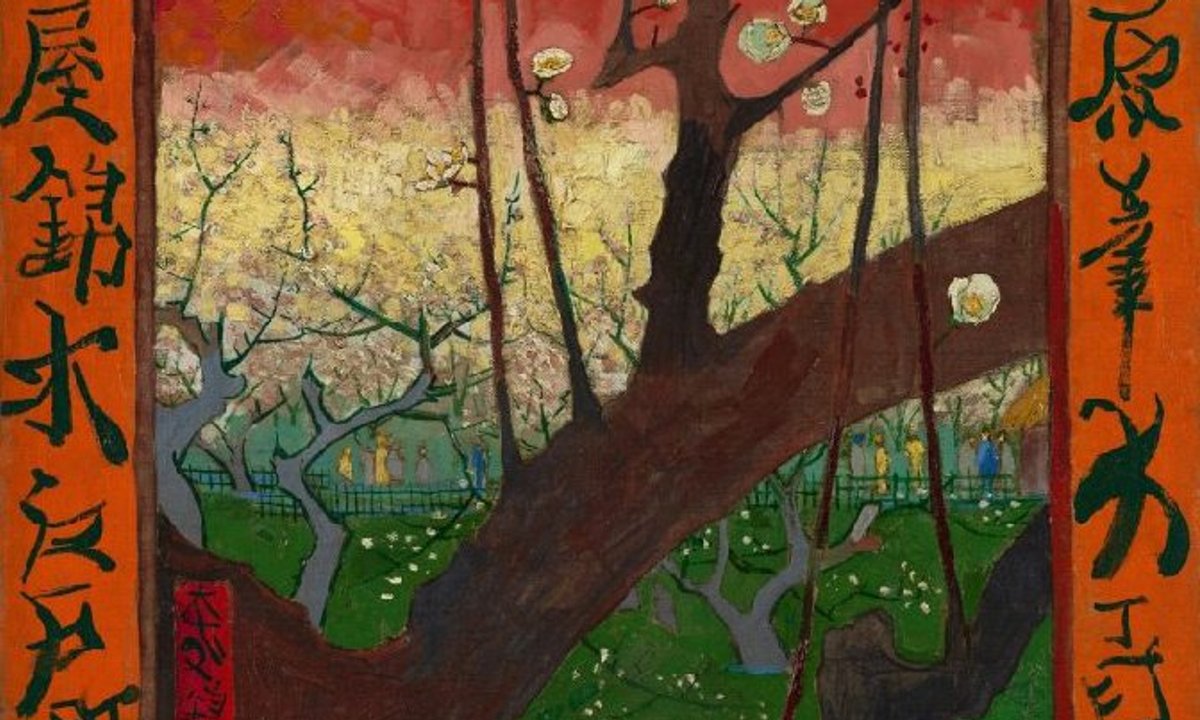
The British Museum's exhibition "Hiroshige: Artist of the Open Road" (through September 7) showcases over 100 prints by the Japanese master Utagawa Hiroshige, including rare loans that highlight his influence on European avant-garde artists. A key display is Vincent van Gogh's own copy of Hiroshige's "The Plum Garden at Kameido" (1857), on loan from the Van Gogh Museum in Amsterdam, along with Van Gogh's squared-up tracing used for his painting. New research by British Museum senior scientist Capucine Korenberg reveals a short pencil line on the print that confirms Van Gogh used this exact copy as a guide for his tracing and subsequent painting.

When—and why—did Van Gogh paint a pair of crabs?

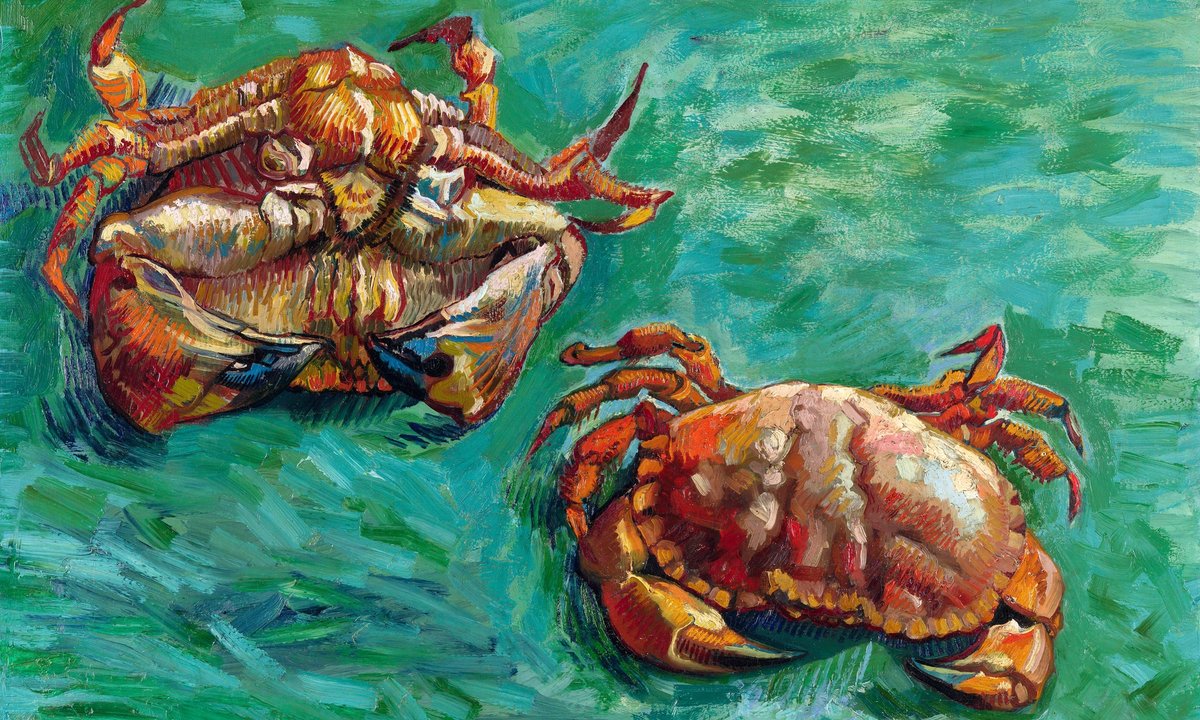
An article explores the story behind Vincent van Gogh's still life "Two Crabs," revealing that the two crabs are likely the same individual—a female Cancer pagurus missing its first pair of walking legs. Paul Clark, a crustacean specialist at London's Natural History Museum, confirmed the sex based on the broad abdomen visible in the painting. The work is on long-term loan to London's National Gallery, where it was recently redisplayed as part of the gallery's major rehang ahead of the Sainsbury Wing reopening on May 10. The article also traces the painting's provenance: it was the first Van Gogh bought by a British collector, William Cherry Robinson, in 1893 for 200 guilders, later sold at auction in 1906 for half that amount, and eventually resold at Sotheby's in 2004 for £5.2 million to an anonymous collector who lent it to the National Gallery.

List of Failed Business Ideas Found Beneath Rembrandt’s “The Night Watch”

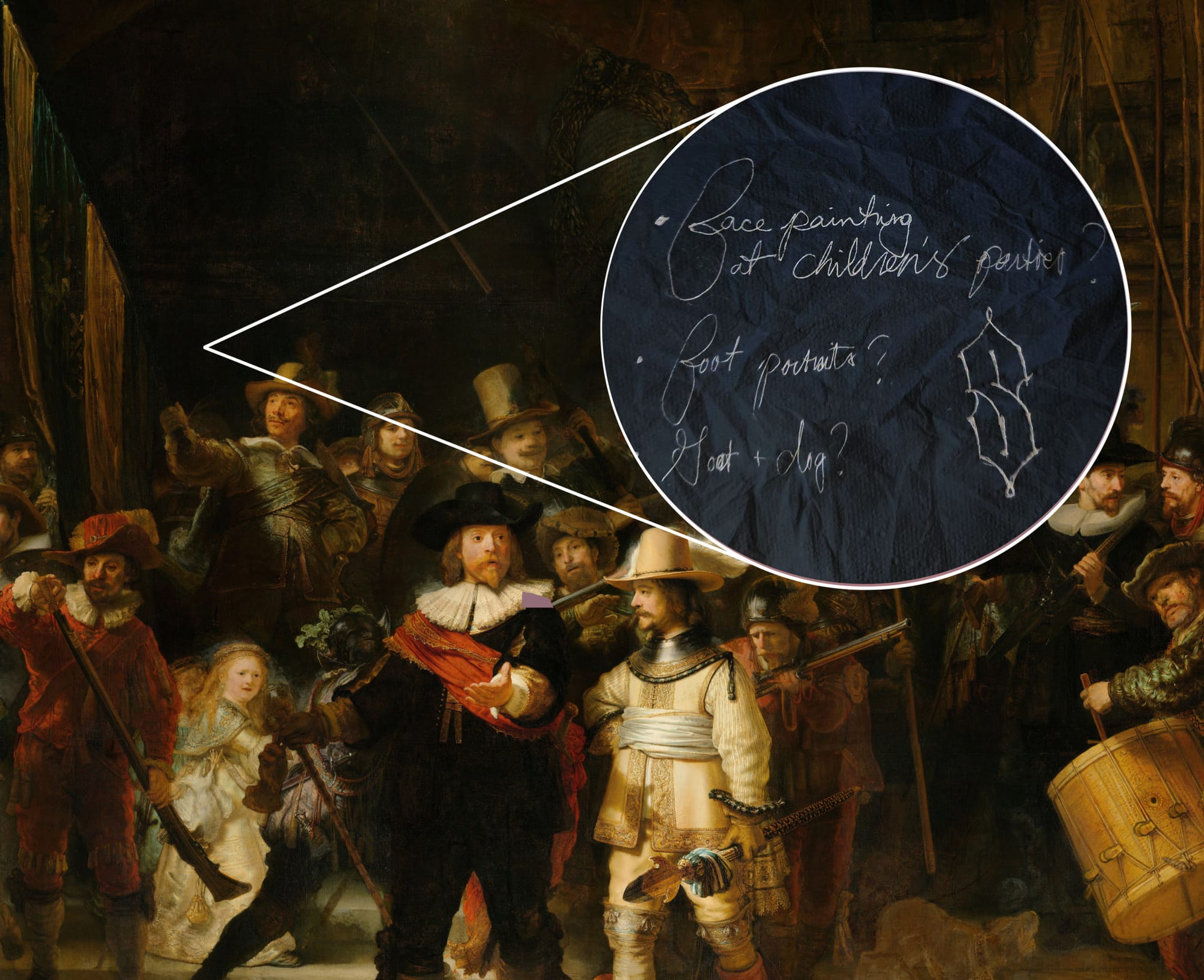
A recent conservation analysis of Rembrandt's "The Night Watch" at the Rijksmuseum has revealed a surprising discovery beneath the painting's surface. Using macro X-ray fluorescence, researchers uncovered a handwritten list of alternative business ideas considered by the young Rembrandt, including face-painting at children's parties, an umbrella repair shop, and making luxury combs from fishbones.

The INHA library will remain open in August

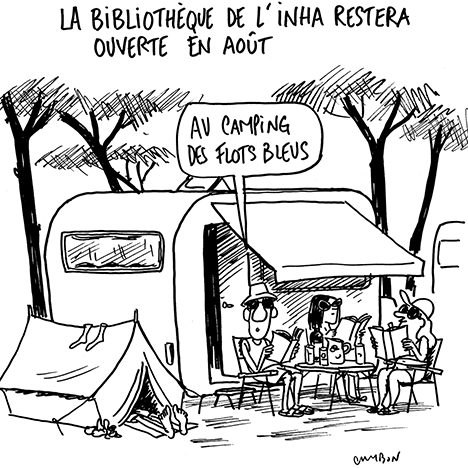
La bibliothèque de l’INHA restera ouverte en août

The National Institute for Art History (INHA) has announced that its library, located in the Labrouste Room in Paris, will remain open throughout the month of August. This decision breaks from the traditional summer closure common among major French academic and research institutions, ensuring uninterrupted access to one of the world's largest collections of art history resources.

Arte contemporanea, fiabe e favole nel racconto di Artbox su Sky Arte

The article previews an upcoming episode of the Italian television program "Artbox" airing on Sky Arte on Tuesday, May 12. The episode visits Castello di Miradolo in Piedmont, where the exhibition "C'è oggi una fiaba" (There Is a Fairy Tale Today) runs until June 21, blending art, literature, and music around childhood themes. Curator Roberto Galimberti and Fondazione Cosso director Paola Eynard discuss the show. The episode also features art historian Maria Vittoria Baravelli's segment "Invito al viaggio," reinterpreting fairy tales as dynamic spaces for growth, referencing artists Luigi Serafini and Luigi Ontani. Additionally, curator Gražina Subelytė discusses the exhibition "Peggy Guggenheim a Londra. Nascita di una collezionista" in Venice, and curators Stefania Bossi, Michele Tavola, and Valentina Cane present the show "Regina. Sperimentatrice geniale" about a prolific sculptor. The program includes a book segment on Orsina Simona Pierini's "I colori delle case. Milan Interiors 1923-1978."

Artibus et Historiae - An Art Anthology - No. 92, 2025

Artibus et Historiae - An art anthologie - n°92, 2025

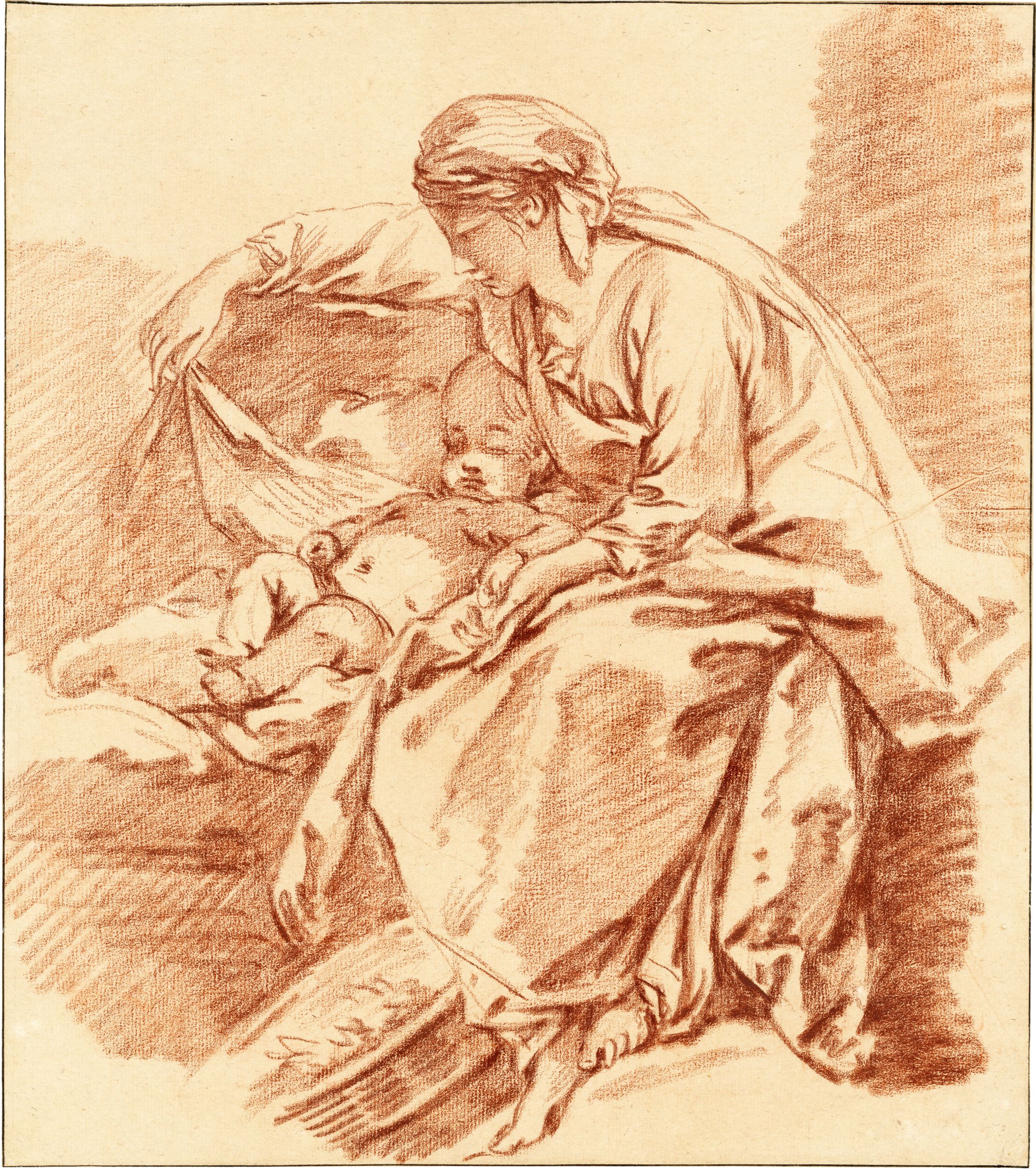
The latest issue of the academic journal 'Artibus et Historiae' has been published, featuring a collection of scholarly articles focused on European art from the Renaissance to the early 19th century. The volume includes research on topics such as the translation of classical imagery in colonial Peru, investigations into women artists in Bologna, new attributions and provenance studies for works by artists like Ludovico Carracci and Caravaggio, and analyses of drawings and artistic education.

Princeton University Art Museum Spotlights Willem de Kooning's Breakthrough Years

Princeton University Art Museum has opened a new exhibition, "Willem de Kooning: The Breakthrough Years, 1948–1951," focusing on a pivotal three-year period in the artist's career. The show brings together approximately 25 paintings and drawings from this era, including key works like "Excavation" and "Attic," which trace his evolution from figurative elements to the dynamic, abstract style that cemented his legacy.

Fra Angelico masterworks reunited for two-venue Florence exhibition

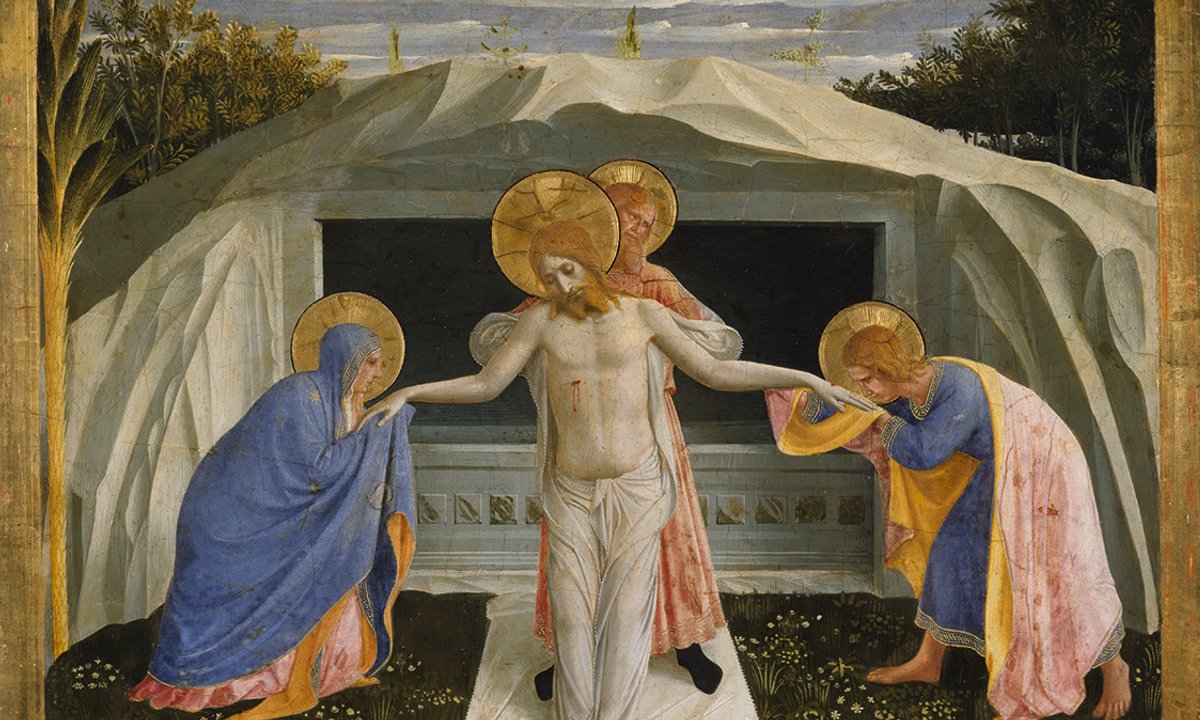
Florence is opening a comprehensive double-venue exhibition of over 140 works by Fra Angelico, the early Renaissance master. The show, titled simply "Fra Angelico," runs at the Museo di San Marco and the Palazzo Strozzi, reuniting dispersed altarpieces and panels for the first time in over two centuries. It traces his evolution from late Gothic to early Renaissance, featuring reconstructed altarpieces with panels gathered from major European and American museums, alongside works by his influences like Masaccio, Lorenzo Ghiberti, and Lorenzo Monaco.

Dog in Rembrandt’s The Night Watch was copied from widely available book, suggests new research

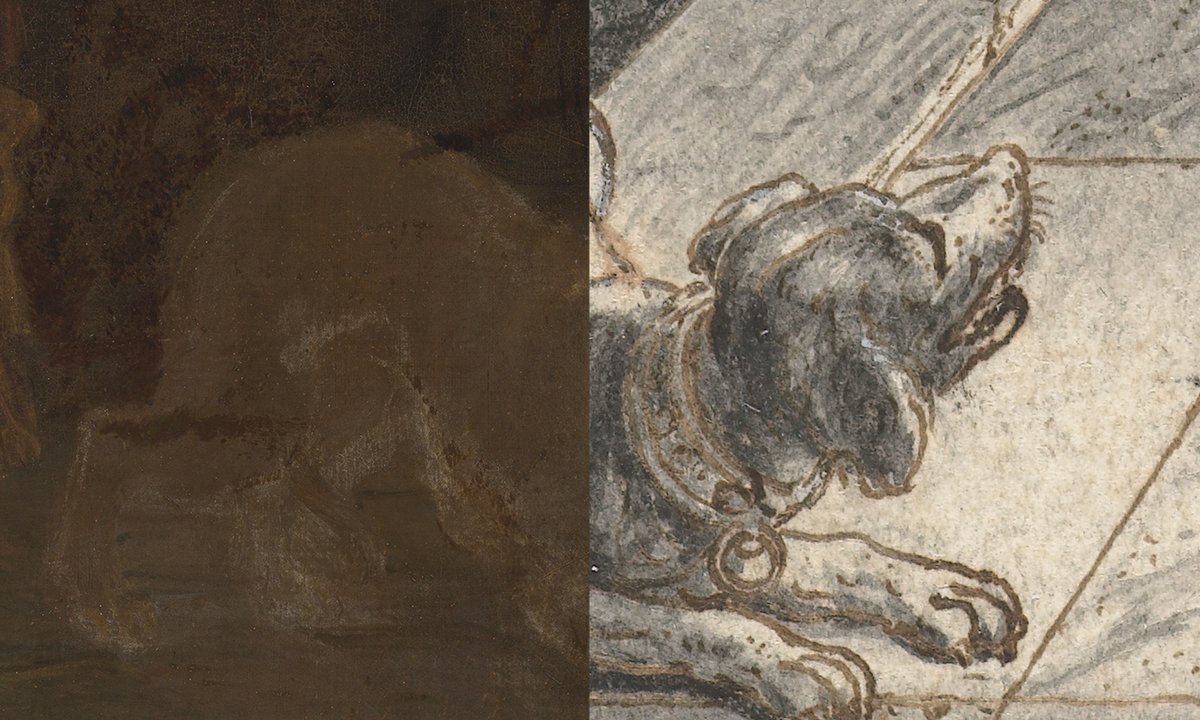
New research suggests that the barking dog in the lower right corner of Rembrandt's *The Night Watch* (1642) was copied from a title-page illustration by the Dutch artist Adriaen van de Venne. Anne Lenders, curator of 17th-century Dutch paintings at the Rijksmuseum, recognized the resemblance while visiting an exhibition on Van de Venne at the Zeeuws Museum. Macro X-ray fluorescence scans of the painting's underdrawing confirmed the similarity, though Rembrandt modified the dog's posture and added a tongue to make it appear alert and barking at a drum.

Man Ray’s Mysteries, in Glorious Bloom at the Met

The Metropolitan Museum of Art is opening a major exhibition titled "Man Ray: When Objects Dream" on September 14, 2025, featuring 64 rayographs and about 100 other works by the artist from his most productive period in the late 1910s and 1920s. Curators Stephanie D'Alessandro and Stephen C. Pinson aim to separate fact from the artist's own mythology, while the exhibition's centerpiece is "Le Violon d'Ingres" (1924), the most expensive photograph ever sold at auction, purchased by museum trustee John Pritzker for $12.4 million at Christie's in 2022. The show also includes a previously unannounced promised gift of 188 artworks by Man Ray and his Dada and Surrealist cohort from Pritzker.

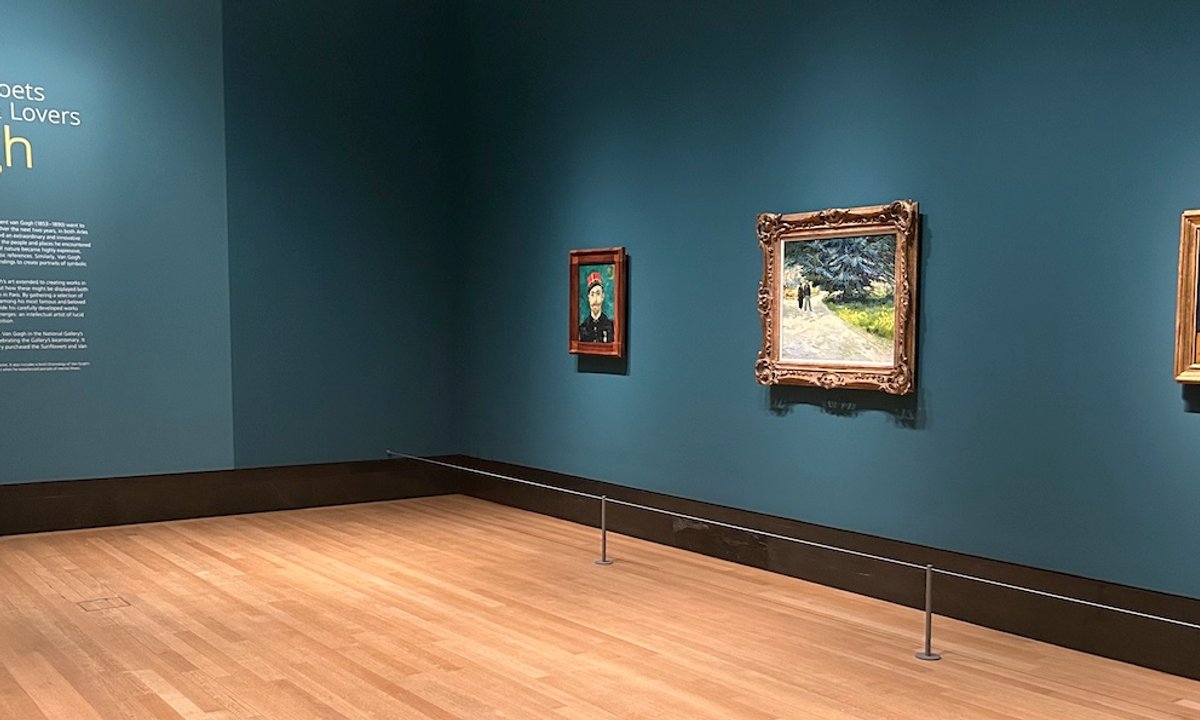
Ten surprises at the National Gallery’s five-star Van Gogh exhibition

The National Gallery in London opened its exhibition "Van Gogh: Poets & Lovers" (14 September 2024–19 January 2025) to five-star reviews, attracting a record 335,000 visitors. The article reveals ten surprising details about individual paintings on loan from around the world, including a self-portrait that once hung in the American ambassador's residence in Regent's Park, a painting executed on a dish towel when Van Gogh ran out of canvas, and the revelation that casino mogul Steve Wynn owns The Trinquetaille Bridge. Other surprises include a stark white replica frame for Roses, inspired by frames designed by Dr. Paul Gachet, and the fact that The Public Garden, Arles is owned by a foundation set up by Bernard Arnault, the world's third richest person.

Two Exhibitions in Paris Galleries

Deux expositions dans les galeries parisiennes

Two notable drawing exhibitions are currently on view in Paris galleries. The first, organized by dealer Nicolas Schwed on Rue Saint-Honoré, features a strong selection of old and modern master drawings, with a surprising emphasis on 18th-century French works alongside Italian pieces. Highlights include a preparatory study by Federico Zuccaro for a Roman fresco and a rare drawing of the Trinity by Cornelis Schut, which is linked to a lost altarpiece from Cologne.

forged polish painting returns to the national museum in poznan poland

A painting long attributed to Polish Realist painter Józef Pankiewicz and held by the National Museum in Poznań has been revealed as a forgery. The work, titled 'Vegetable Market at Żelaznej Bramy Square in Warsaw' and dated 1888, was awarded a silver medal at the 1889 Universal Exposition in Paris and acquired by the museum in 1948. In 2017, scholar Michał Haake noticed discrepancies between the museum's version and historical reproductions, prompting an investigation. Conservators removed overpainting and found that the canvas, pigments, and composition differed from the original, with Pankiewicz's signature added after completion. The forgery, now attributed to an unidentified early 20th-century artist, is back on display alongside a photo of the original in the exhibition 'Succumb to Illusion.' The original painting has been missing since 1890.

Kemper Art Museum wins best monograph award

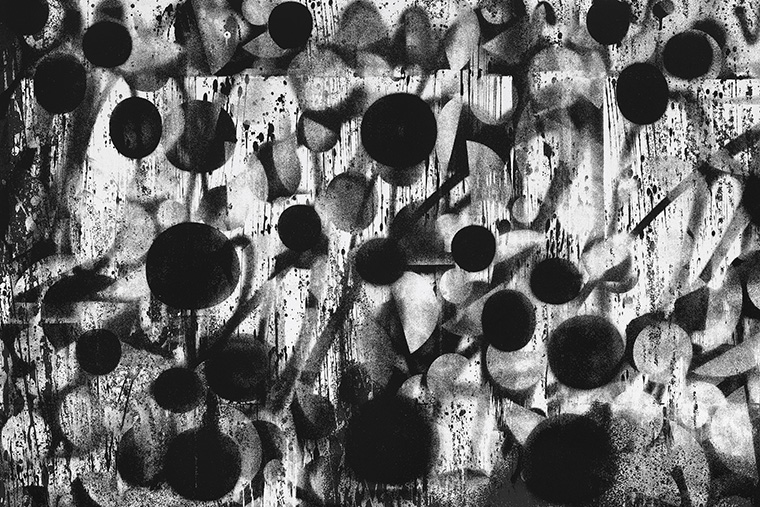
The Kemper Art Museum at Washington University in St. Louis has won the 2024 best monograph award from the Midwest Art History Society (MAHS) for its exhibition catalog "Adam Pendleton: To Divide By." The catalog, published by the museum and distributed by the University of Chicago Press, was honored during the society's Outstanding Catalog Awards ceremony in Denver on April 4. Edited by Kemper curator Meredith Malone, the volume features essays by Malone, Joshua Chambers-Letson, Hal Foster, and a conversation between Pendleton and critic Isabelle Graw, along with transcripts of two film portraits by the artist.

Earth and Mineral Sciences Museum and Art Gallery’s exhibition to open Jan. 22

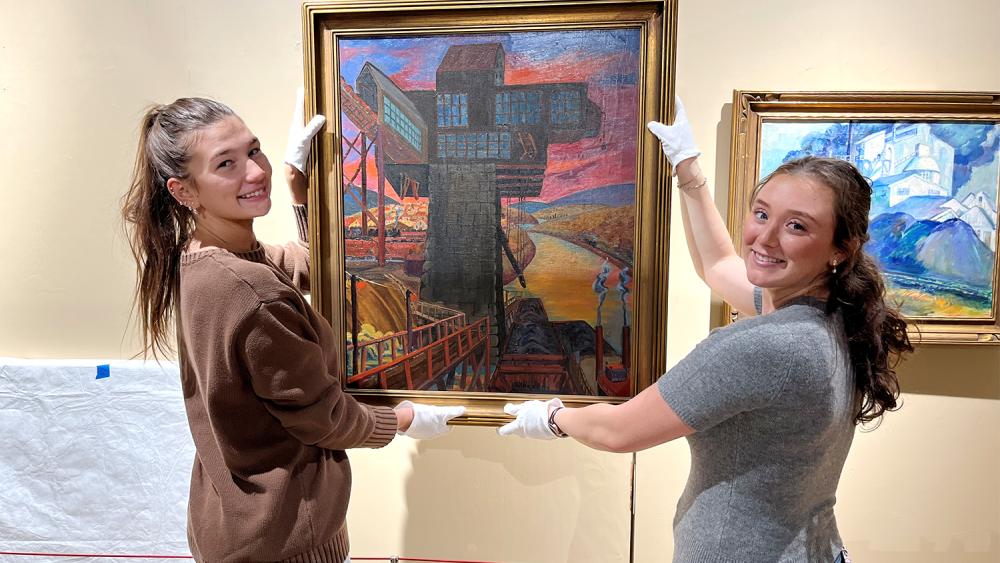
A new student-curated exhibition titled “Through Different Eyes: Industrial Worlds by Women Artists” will open on January 22 at the Earth and Mineral Sciences Museum and Art Gallery at Penn State University Park. The exhibit, curated by undergraduates Alexis Woodring and Gabriella Heidorn, features works from the EMS Steidle Collection of American Industrial Art, highlighting women artists in 20th-century industrial Pennsylvania. The opening reception runs from 4 to 6 p.m. and is free to the public.

Chronicles from the Studio. 130 years of Vasil Zahariev – artist, teacher, researcher

The Regional Historical Museum – Sofia is opening an exhibition titled "Chronicles from the Studio. 130 years of Vasil Zahariev – artist, teacher, researcher" on July 17, 2025, running through November 30, 2025. The show marks the 130th anniversary of the birth of Bulgarian graphic artist Vasil Zahariev, featuring original works, personal belongings, documents, and photographs from his archive. Zahariev was also a lecturer and rector at the Academy of Arts, and a researcher of Bulgarian Renaissance art.

Portrait adds a dusting of mystery to exhibition in Bishop Auckland

A mystery portrait has prompted a public appeal in County Durham as a major new exhibition celebrating miner-artist Tom McGuinness opens at Bishop Auckland’s Mining Art Gallery. Visitors are being asked to help identify an unknown man depicted in a 1963 charcoal drawing, *Portrait of an Unknown Man*, now on display as part of *Tom McGuinness: Out of the Darkness*, which marks the centenary of the artist’s birth and runs throughout 2026. McGuinness, born in Witton Park, worked in the mines for nearly four decades, and his art captures the physical and emotional realities of mining life. The portrait was initially thought to depict the artist’s father-in-law, but his daughter Corinne Aspel has challenged that assumption, noting clear differences in facial features.