
filter_list Showing 4 results for "art mumbai" close Clear
dashboard All 4 museum exhibitions 2trending_up market 2
date_range Range Today This Week This Month All
Subscribe

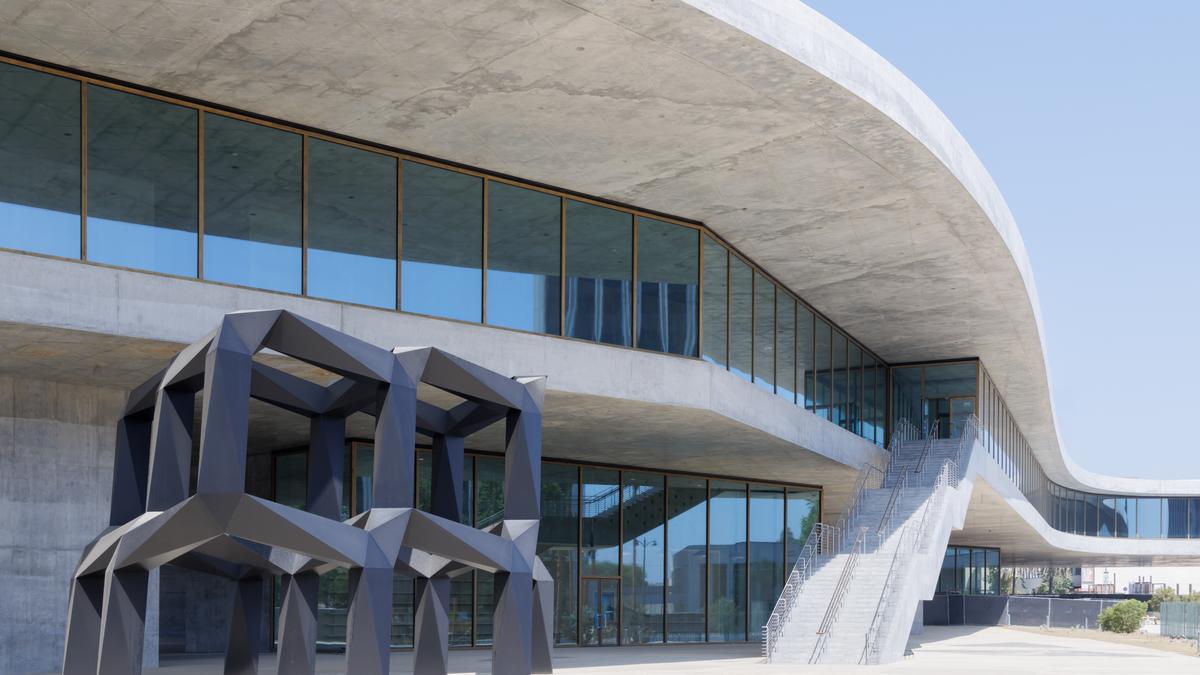
Why global museums like LACMA are turning their attention to India’s art market

Global museums like LACMA are increasingly turning their attention to India’s art market, which has matured significantly in recent years. This is evidenced by heightened interest from international galleries and institutions in Indian art fairs, high auction prices for works by the Bombay Progressives, and growing global engagement with events such as Art Mumbai.
Mumbai Gallery Weekend looks beyond the city's historic art district

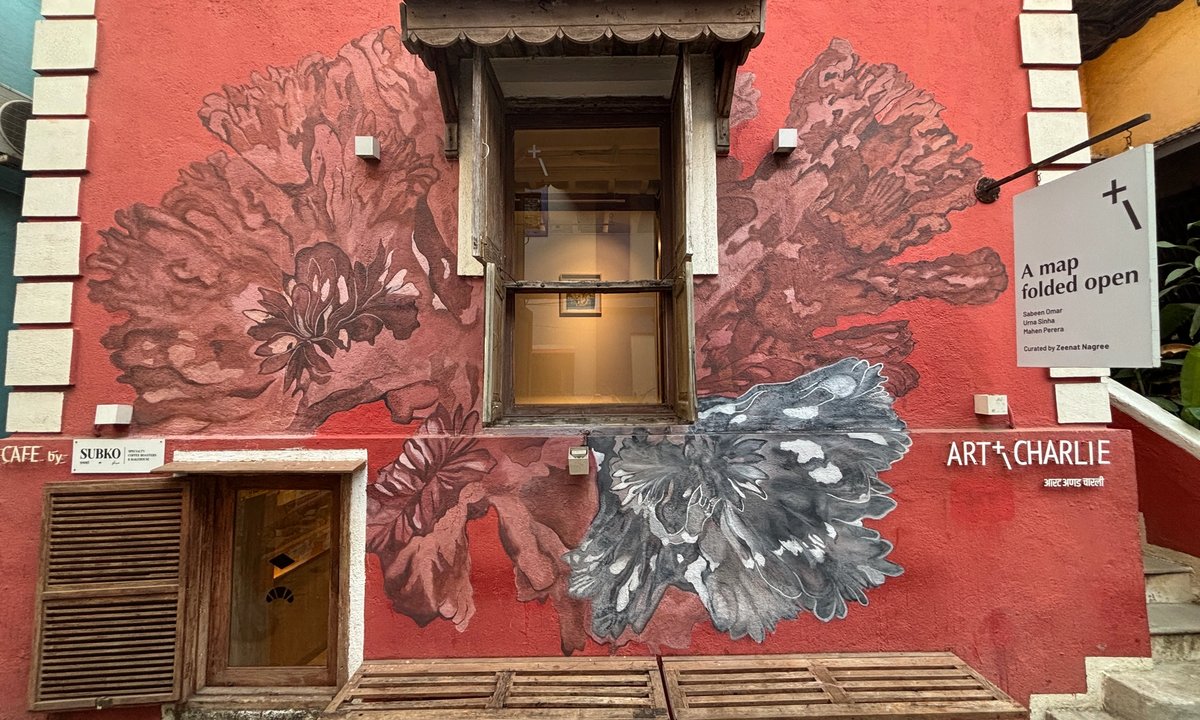
The 14th edition of Mumbai Gallery Weekend (MGW) is underway, running until January 12, and for the first time appoints co-leads from galleries outside the city's historic art district of Colaba and Fort. Ayesha Parikh of Art and Charlie (Bandra) and Sanjana Shah of Tao Art Gallery (Worli) helm the event, reflecting the geographic expansion of Mumbai's art scene into western suburbs and financial districts. The weekend features ambitious exhibitions, including a solo show of terracotta works by Chippa Sudhakar at Tao and a group show curated by Zeenat Nagree at Art & Charlie. MGW, co-founded in 2012 by Shireen Gandhy and other South Mumbai galleries, has grown from nine to 33 participating galleries, and now includes the Midtown Arts Collective, which represents galleries from Worli, Lower Parel, and Bandra.

India’s art market is fast growing—is it also maturing?

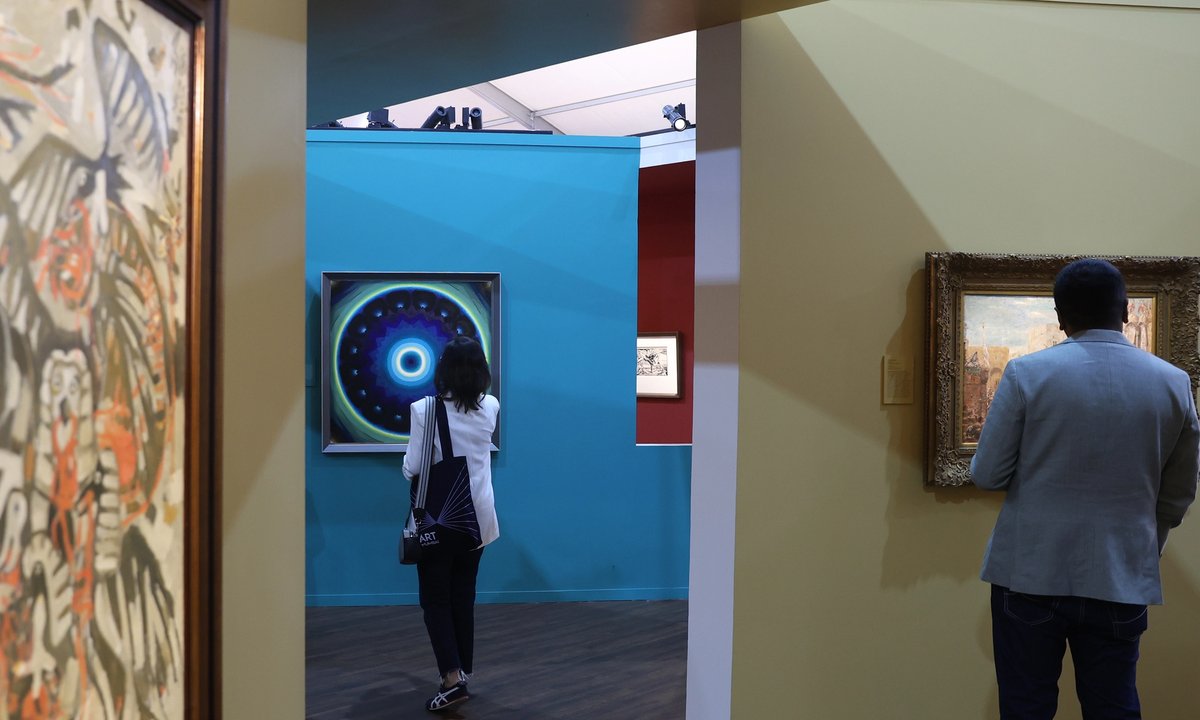
The third edition of Art Mumbai (13-16 November) saw strong sales and record auction prices for Indian Modernists, including MF Husain's *Gram Yatra* (1953) becoming the first Indian painting to sell for over $10 million. The fair, held amid surging private wealth in India, featured leading contemporary galleries reporting up to 90% sales on opening day, with works priced from $1,000 to $300,000. A recent reduction in India's goods and service tax on art from 12% to 5% has further boosted the market.

Looking Beyond the Conflict: What's driving contemporary artists from Sri Lanka?

Contemporary artists from Sri Lanka are gaining visibility across South Asia through gallery exhibitions, institutional shows, and art fairs. At Experimenter in Colaba, Pushpakanthan Pakkiyarajah's solo show 'No Race, No Colour' features installations like 'Charred Hyphal Mat' that explore organic communication and wounded ecologies rooted in the country's three-decade civil war. At the Art Mumbai fair, Hema Shironi uses fabric and green mesh to address post-war reconciliation, while earlier in Delhi, the twin exhibitions 'Homes Wrapped in Cloth, Borders Raised in Flags' and 'After Aphantasias' by Shrine Empire showcased similar themes. Artists such as Anoli Perera, Kingsley Gunatillake, Pala Pothupitye, and others are collectively presenting nuanced perspectives on memory, ecology, and joy beyond the conflict.