filter_list Showing 6 results for "artists against fascism" close Clear
search
dashboard All 6 article culture 2museum exhibitions 2rate_review review 2
date_range Range Today This Week This Month All
Subscribe

Artists v fascists, Khmer Rouge horrors, fab flowers and an eye-popping nude – the week in art

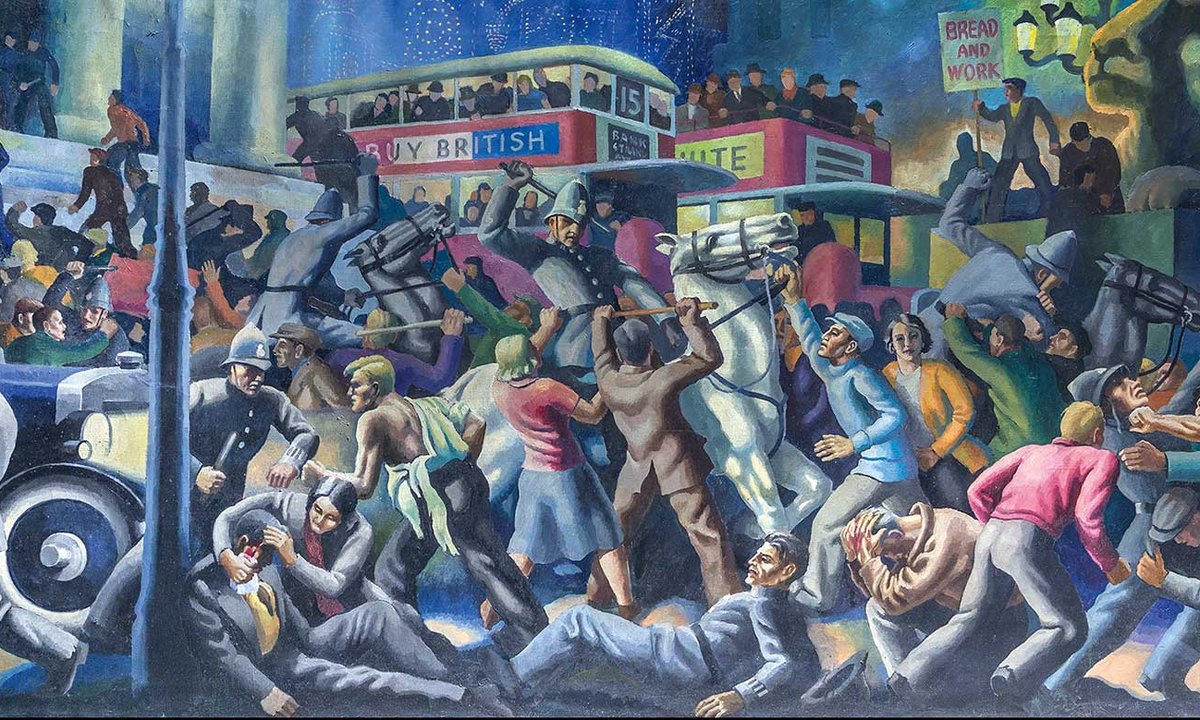
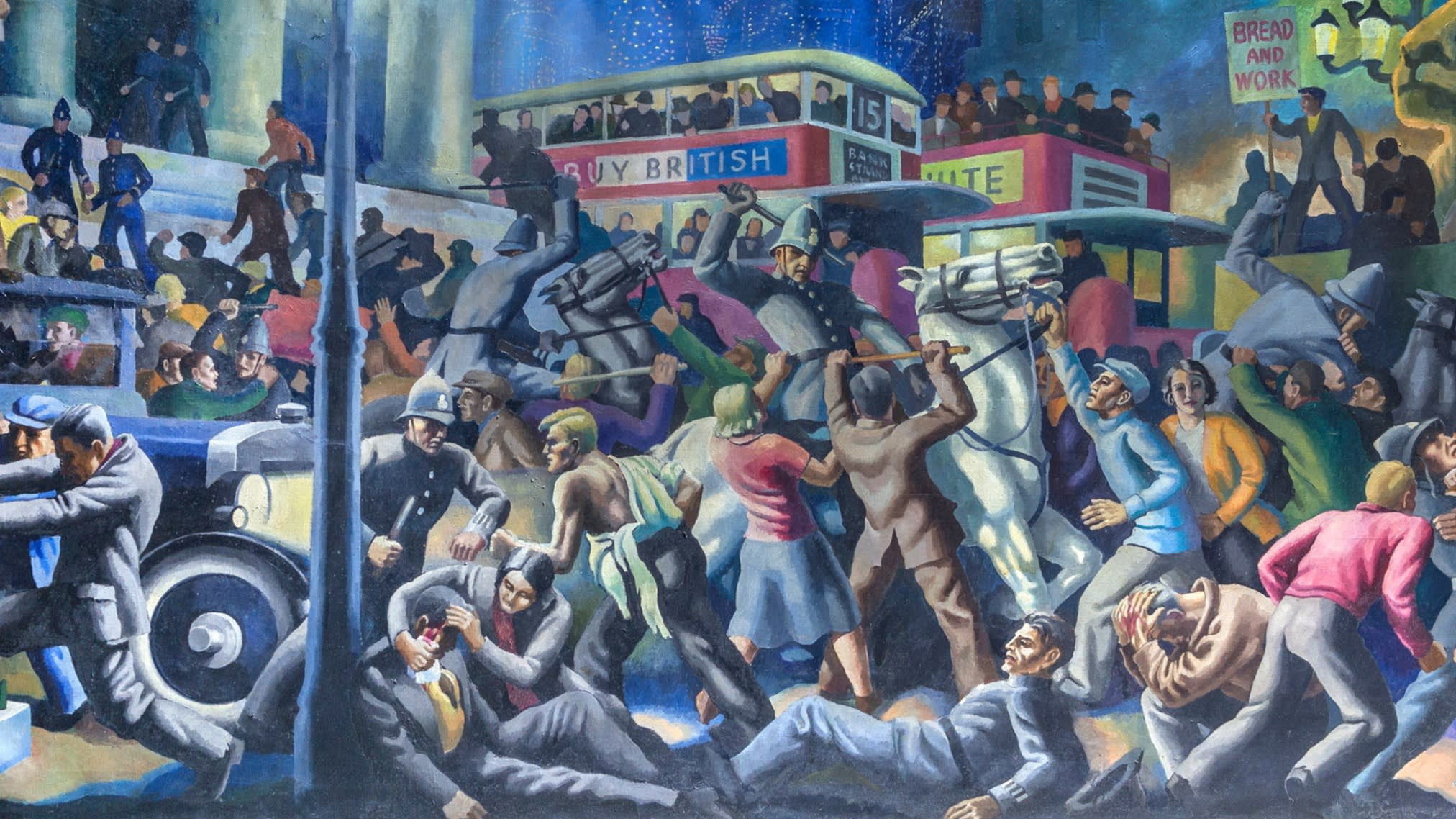
This week's art roundup from The Guardian features a major exhibition at Towner Eastbourne titled 'Comrades in Art: Artists Against Fascism,' which examines how artists, poets, and intellectuals used their work to resist the rise of extremism in 1930s Europe, drawing on the history of the Artists International Association (AIA). Other highlights include 'Hidden: Photography and Displacement Under the Khmer Rouge' at The Wiener Holocaust Library in London, a show of early Netherlandish drawings at the British Museum, Katharina Grosse's colorful installations at White Cube, and a flower-themed survey at Kettle's Yard. The image of the week is Sylvia Sleigh's 1963 portrait 'The Bridge (Johanna Lawrenson),' part of a new exhibition of the Welsh artist's work. The article also covers news items such as Lydia Ourahmane's Venice Biennale installation, a Holbein portrait mystery, a restored stained-glass window by Edward Burne-Jones and William Morris, and Anish Kapoor's call to exclude the US from the Venice Biennale due to 'politics of hate.'

artists resisted fascism comrades in art andy friend

A group of British artists, frustrated by the Great Depression and inspired by socialist ideologies, founded the Artists International Association (AIA) in the early 1930s. Initially a Communist-inflected agit-prop group, it rebranded in 1935 to broaden its anti-fascist coalition, a move that sparked internal debates about ideological purity. The article, reviewing Andy Friend's book *Comrades in Art: Artists Against Fascism, 1933–1943*, highlights key episodes such as the AIA's 1940 exhibition 'The Face of Britain,' which opened amid the Blitz after bombs damaged the gallery.

The Art Diary May 2026 – Revd Jonathan Evens

The article titled "The Art Diary May 2026 – Revd Jonathan Evens" appears to be a diary or column by Revd Jonathan Evens, published on Artlyst, covering art-related events, reflections, or commentary for May 2026. The specific content is not provided in the snippet, but the format suggests a curated overview of exhibitions, cultural happenings, or personal observations from the author's perspective.

The Top Exhibitions To See In London: May 2026

London’s art scene prepares for a major influx of high-profile exhibitions in May 2026, headlined by a comprehensive survey of Francisco de Zurbarán at the National Gallery and the grand opening of the Quentin Blake Centre for Illustration in Clerkenwell. Other significant highlights include a sprawling outdoor installation of Henry Moore’s monumental bronzes at Kew Gardens, the debut of the 'Rising Voices' contemporary art exhibition at the newly opened V&A East, and a rare European retrospective of James McNeill Whistler at Tate Britain featuring the iconic 'Whistler's Mother'.

Comrades in art: meet the artists who fought against fascism

Andy Friend's book "Comrades in Art" chronicles the founding and first decade of the Artists International Association (AIA), a radical union of artists established in London in the 1930s. The AIA, born from a belief in art's power to revolutionize society, grew from a small group of mostly underemployed communist-affiliated commercial artists into a popular front against fascism and war, eventually including over 1,000 members such as Henry Moore and Paul Nash. The book focuses on lesser-known figures like Felicia Browne, the first British female combatant killed in the Spanish Civil War.

Comrades in Art: Artists Against Fascism review — eye-opening show sets the record straight

The article reviews the exhibition "Comrades in Art: Artists Against Fascism," which presents a historical survey of artists who actively resisted fascist regimes through their work. The show features a range of pieces from the early 20th century to the present, highlighting lesser-known figures and movements that opposed authoritarianism. It aims to correct oversimplified narratives about art and politics during periods of fascist rule.